Annapurna Climbing Season Opens: A Deep Dive and What It Means
Annapurna I welcomes climbers as the spring season begins. We break down the news, its impact, and what the future holds for mountaineering on this challenging peak.
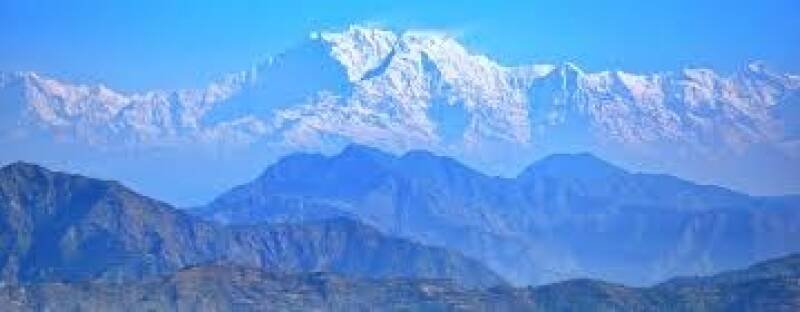



Annapurna I welcomes climbers as the spring season begins. We break down the news, its impact, and what the future holds for mountaineering on this challenging peak.
The spring climbing season on Annapurna I, one of the world's most dangerous mountains, is officially underway. Located in the Annapurna Rural Municipality–4, Narchyang, Myagdi district of Nepal, the 8,091-meter peak is once again attracting mountaineers from around the globe. As of April 19th, 27 permits have been issued, signaling a strong start to the season.
Expedition teams have already begun their summit attempts, and early reports indicate that some climbers have successfully reached the top. A team led by Lakpa Sherpa from Seven Summit Treks made it to the summit on Saturday, marking one of the first successful ascents of the season.
The early successes on Annapurna I are encouraging, but the mountain's reputation demands respect. Annapurna is known for its high fatality rate, making it a challenging and potentially deadly climb even for experienced mountaineers. Weather conditions can change rapidly, and avalanches are a constant threat.
Several other teams are currently on the mountain, working their way through established routes. The climbing window for Annapurna is relatively short, typically lasting from late April to early June, depending on weather patterns.
The opening of the Annapurna climbing season is significant for several reasons:
The high number of permits issued suggests a strong interest in climbing Annapurna this year. This could be attributed to improved weather forecasting and better-equipped expedition teams. However, increased traffic on the mountain also presents potential challenges, such as increased competition for campsites and a greater risk of accidents.
In our opinion, while the early successes are promising, it's crucial for climbers to prioritize safety and make informed decisions based on real-time conditions. The mountain demands respect, and complacency can have dire consequences.
The success of Lakpa Sherpa's team also highlights the crucial role of experienced guides and Sherpas in facilitating successful expeditions. Their knowledge of the terrain, weather patterns, and climbing techniques is invaluable.
Looking ahead, the remainder of the Annapurna climbing season will depend heavily on weather conditions. A stable weather window is essential for continued success and safety. It's also critical for expedition operators to adhere to sustainable practices to minimize their environmental impact on the mountain.
This could impact future climbing seasons:
The climbing season on Annapurna I is a testament to the human spirit's desire to conquer challenges. By respecting the mountain, prioritizing safety, and embracing sustainable practices, we can ensure that future generations can continue to experience the allure of this iconic peak.