AI vs AI: Sam Altman on the Future of Cybersecurity
OpenAI's Sam Altman believes the future of cybersecurity lies in AI fighting AI. Learn why traditional methods are failing and what this means for your online security.
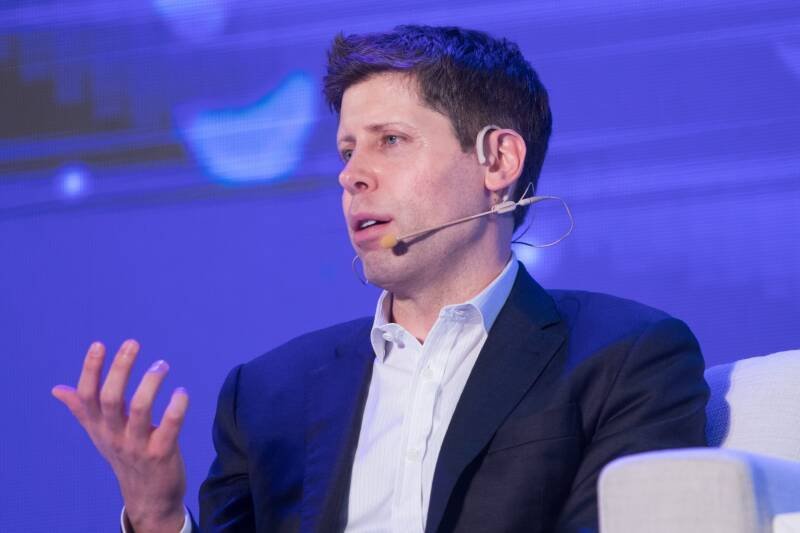



OpenAI's Sam Altman believes the future of cybersecurity lies in AI fighting AI. Learn why traditional methods are failing and what this means for your online security.
The world of cybersecurity is undergoing a radical transformation, and according to Sam Altman, co-founder of OpenAI, the old rules simply don't apply anymore. In a recent statement, Altman argued that traditional cybersecurity models are increasingly ineffective against the sophisticated threats powered by artificial intelligence.
The core issue is that AI is being weaponized. Hackers are now using AI to automate and enhance their attacks in ways we've never seen before. AI can be used to:
These AI-driven attacks are becoming increasingly common and sophisticated, making it harder and harder for traditional security measures to keep up.
Altman believes the only way to effectively counter AI-powered attacks is with AI-powered defense. In essence, it's an arms race: AI defending against AI. This involves using AI to:
This means deploying AI-powered security systems that can learn, adapt, and respond to threats in real-time. It's about leveraging the same technology that's being used to create threats to defend against them.
This isn't just a theoretical debate; it has real-world implications for everyone who uses the internet. Businesses, governments, and individuals are all at risk from AI-powered cyberattacks. If we don't invest in AI-powered cybersecurity solutions, we risk falling behind and becoming increasingly vulnerable to these threats.
For businesses, a successful cyberattack can lead to data breaches, financial losses, and reputational damage. For governments, it can compromise national security and critical infrastructure. And for individuals, it can result in identity theft, financial fraud, and privacy violations. The stakes are incredibly high.
In our opinion, Sam Altman's warning is a wake-up call. Traditional cybersecurity methods are becoming obsolete in the face of increasingly sophisticated AI-driven attacks. The transition to AI-powered defense is not a luxury; it's a necessity.
The challenge will be developing and deploying AI security solutions that are effective, reliable, and trustworthy. We need to ensure that these AI systems are properly trained and monitored, and that they don't introduce new security risks of their own. This requires a concerted effort from researchers, developers, and policymakers.
Furthermore, the ethics of AI-powered cybersecurity need to be carefully considered. Should AI be allowed to autonomously launch counter-attacks? How do we prevent AI security systems from being used for malicious purposes? These are complex questions that require careful thought and deliberation.
The future of cybersecurity will undoubtedly be shaped by AI. We expect to see:
This could impact the job market as well. There will be an increased demand for professionals with expertise in both AI and cybersecurity. Individuals with skills in machine learning, data analysis, and security engineering will be highly sought after.
Ultimately, the future of cybersecurity will be a constant battle between AI systems on both sides. The side that can innovate and adapt the fastest will have the upper hand. It's a challenging landscape, but also one filled with opportunities for those who are prepared to embrace the power of AI.