Afghanistan Floods: Death Toll Climbs, Impact and Future Risks Explained
Devastating floods in Afghanistan have claimed lives and left many injured. We analyze the impact, causes, and future outlook for disaster preparedness.



Devastating floods in Afghanistan have claimed lives and left many injured. We analyze the impact, causes, and future outlook for disaster preparedness.
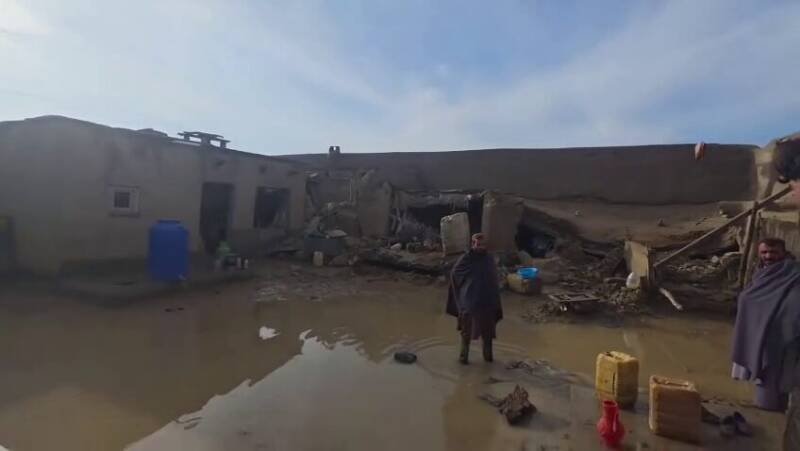
Devastating floods across Afghanistan have tragically claimed the lives of at least 51 people and left 89 others injured in the past eight days. According to reports from Taliban authorities, relentless heavy rainfall and subsequent flash floods have ravaged multiple provinces, causing widespread damage and displacement.
The most recent reports indicate that in the last 24 hours alone, at least three more lives were lost, and 16 people were injured. This highlights the ongoing and escalating nature of this natural disaster. The floods have not only resulted in immediate casualties but also inflicted significant damage to infrastructure, homes, and agricultural land, severely impacting livelihoods and exacerbating existing vulnerabilities.
The Afghanistan floods are more than just a regional tragedy; they are a stark reminder of the growing impact of climate change on vulnerable nations. Afghanistan, already grappling with political instability, economic hardship, and the aftermath of conflict, is now facing a severe environmental crisis. These floods highlight the urgent need for international aid, improved disaster preparedness measures, and long-term climate resilience strategies. The humanitarian crisis unfolding in Afghanistan demands immediate attention and sustained support from the global community.
Several factors have likely contributed to the severity of these floods. Deforestation, driven by the need for fuel and agricultural land, has reduced the land's ability to absorb rainwater. Poor infrastructure, including inadequate drainage systems, exacerbates the impact of heavy rainfall. Climate change is undoubtedly playing a significant role, with more frequent and intense weather events becoming increasingly common. In our opinion, the combination of environmental degradation, weak infrastructure, and climate change creates a perfect storm of vulnerability in Afghanistan.
The lack of resources and capacity within Afghanistan to effectively respond to and mitigate the impact of such disasters is a major concern. International aid organizations and governments need to step up their efforts to provide immediate relief and support long-term recovery and resilience-building initiatives. This could impact the stability of the region. Without proper support, situations like this could worsen in the future.
The future outlook for Afghanistan remains bleak without significant intervention. Climate change is projected to further increase the frequency and intensity of extreme weather events, including floods and droughts. To mitigate these risks, Afghanistan needs to invest in:
Furthermore, international cooperation is crucial to provide financial and technical assistance to Afghanistan. This assistance should focus on building capacity within the country to manage disaster risks and adapt to the changing climate. It's critical that the focus is not just on immediate disaster relief but also on long-term sustainable solutions. In our opinion, a proactive and comprehensive approach is essential to protect the people of Afghanistan from the devastating impacts of future floods and other climate-related disasters.