Acting ICE Head Todd Lyons Resigns: What It Means for Immigration Policy
Acting ICE Director Todd Lyons is stepping down. We analyze the implications for US immigration policy, the future of ICE, and what to expect next.




Acting ICE Director Todd Lyons is stepping down. We analyze the implications for US immigration policy, the future of ICE, and what to expect next.
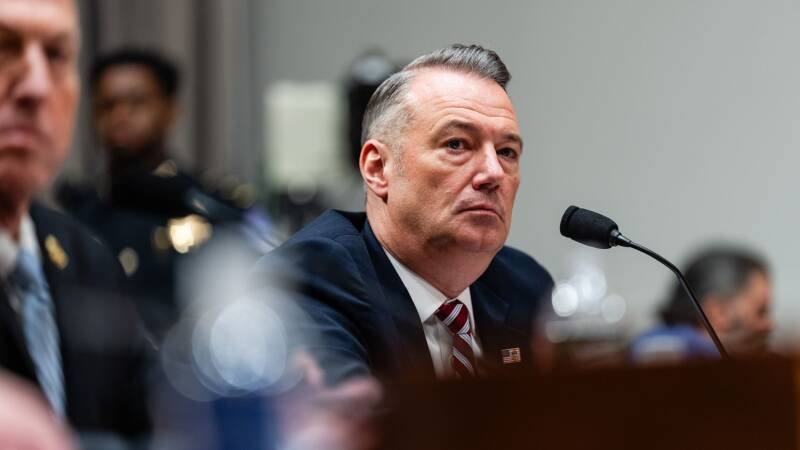
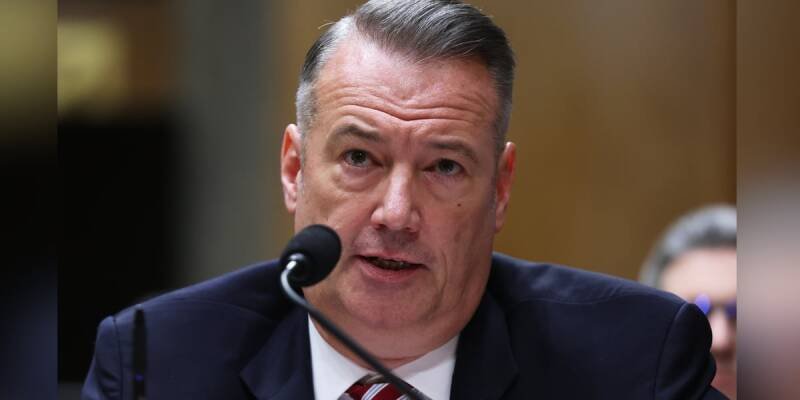
Todd Lyons, the acting director of U.S. Immigration and Customs Enforcement (ICE), is set to leave his position at the end of May. This announcement, made by the Trump administration, marks a significant transition within the agency responsible for enforcing immigration laws and border security.
Lyons' departure signals yet another shift in leadership at ICE. While details surrounding his reasons for leaving remain scarce, such departures often reflect broader policy shifts or changes in administrative priorities. This change in leadership inevitably raises questions about the future direction of ICE and its enforcement strategies.
The leadership of ICE directly impacts how immigration laws are enforced in the United States. ICE is responsible for identifying, arresting, and deporting individuals who violate immigration laws. A change in leadership, especially at the acting director level, can lead to changes in policy emphasis, enforcement priorities, and overall operational strategy. This is particularly pertinent given the ongoing debates surrounding immigration reform and border security.
This news matters because it has the potential to influence:
In our opinion, Lyons' departure represents an opportunity for the Biden administration to reassess and potentially reshape ICE's role and responsibilities. The agency has faced considerable criticism for its enforcement tactics, and this leadership transition presents a chance to implement more humane and effective immigration strategies.
It's also likely that Lyons, appointed in an "acting" capacity, was always intended to be a short-term placeholder. Career officials often serve as acting heads between permanent appointments.
The next leader of ICE will face significant challenges, including navigating the complex political landscape surrounding immigration, addressing concerns about human rights abuses, and managing the ongoing influx of migrants at the southern border.
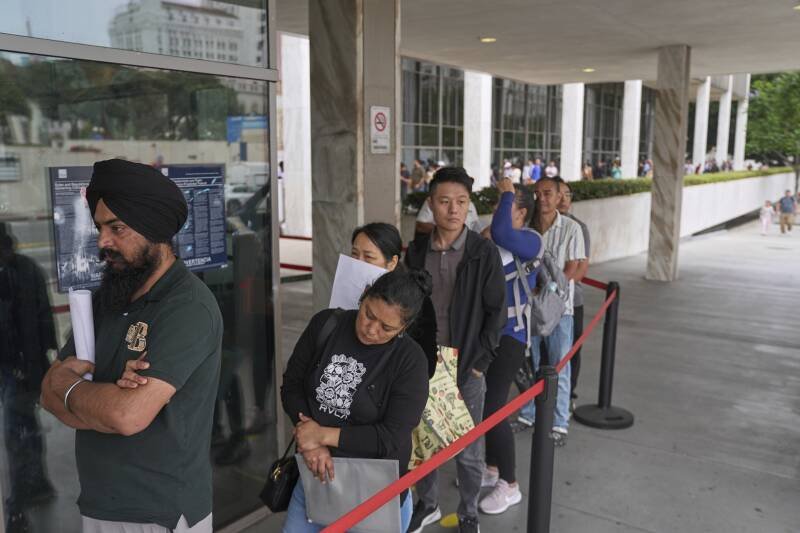
This could impact the types of individuals targeted for deportation. Will the focus remain on individuals with criminal records, or will a broader range of undocumented immigrants be targeted? Changes in enforcement strategies can have profound effects on families and communities.
The new leader will also need to address concerns about ICE's relationship with local communities. Building trust and fostering cooperation between ICE and local law enforcement agencies is crucial for effective immigration enforcement. This requires a commitment to transparency and accountability.
The future of ICE under new leadership will depend on several factors, including the Biden administration's immigration policies, the political climate surrounding immigration reform, and the ability of the new director to effectively manage the agency. We anticipate the following:
The appointment of a permanent director will be a critical decision, signaling the administration's long-term vision for immigration enforcement. This individual will need to possess the leadership skills, policy expertise, and commitment to human rights necessary to navigate the complex challenges facing ICE.
Ultimately, the future of ICE will be shaped by the ongoing debate over immigration reform and the willingness of policymakers to find common ground on this divisive issue. This leadership transition presents a chance to move towards a more humane and effective immigration system that reflects American values.