ICE Acting Director Todd Lyons Resigning: What It Means for Immigration Enforcement
ICE Acting Director Todd Lyons is resigning. We break down what this means for US immigration enforcement, future policy, and potential impacts.
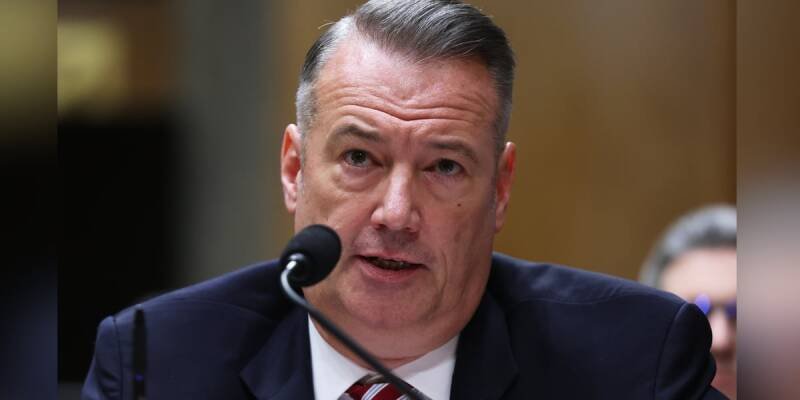



ICE Acting Director Todd Lyons is resigning. We break down what this means for US immigration enforcement, future policy, and potential impacts.
Todd Lyons, the acting director of U.S. Immigration and Customs Enforcement (ICE), is set to resign later this year, according to federal officials. This announcement signals a potential turning point in the direction of immigration enforcement under the Biden administration.
Lyons has served as the acting director of ICE, playing a significant role in implementing and overseeing the agency's operations. His departure raises questions about the future leadership and priorities of ICE, particularly concerning interior enforcement and border security.
The departure of an acting director from a major agency like ICE is always significant. It can lead to shifts in policy, enforcement strategies, and overall morale within the organization. This transition comes at a time when immigration continues to be a highly debated and politically charged issue. Any change at the leadership level can impact how the agency operates and the priorities it pursues. This could impact border security and the deportation process.
Furthermore, the timing of Lyons' departure is notable. As an acting director, his tenure was already subject to change. The administration may be looking to appoint someone who more closely aligns with their own policy objectives.
In our opinion, Lyons' resignation provides the Biden administration with an opportunity to reshape ICE's focus. We might see a greater emphasis on prioritizing the deportation of individuals who pose a significant threat to public safety, rather than solely focusing on individuals with minor immigration violations.
It's also likely that the administration will seek to appoint a director who will prioritize alternatives to detention and explore more humane approaches to immigration enforcement. This could include expanding community-based supervision programs and reducing the reliance on detention centers.
The selection of Lyons' replacement will be crucial. A more progressive candidate could push for significant reforms within the agency, while a more traditional choice might maintain the status quo. The Senate confirmation process will likely be closely watched, as any nominee will face intense scrutiny from both sides of the aisle.
Looking ahead, several key areas are likely to be affected by this leadership change:
The next few months will be critical in determining the future direction of ICE. The new director will face numerous challenges, including managing a complex and often controversial agency, navigating political pressures, and ensuring the safety and security of the nation. This departure will reshape immigration enforcement going forward.
Here are some key indicators to watch in the coming weeks:
The resignation of Todd Lyons marks a significant moment for ICE and for the broader debate surrounding immigration enforcement in the United States. The decisions made in the coming months will have a lasting impact on the lives of millions of people.
























