Women's Basketball History: How Pioneer Teams Paved the Way for Today's Stars
Explore the legacy of early women's basketball powerhouses like Immaculata and Wayland Baptist, and how their contributions shaped the modern game.
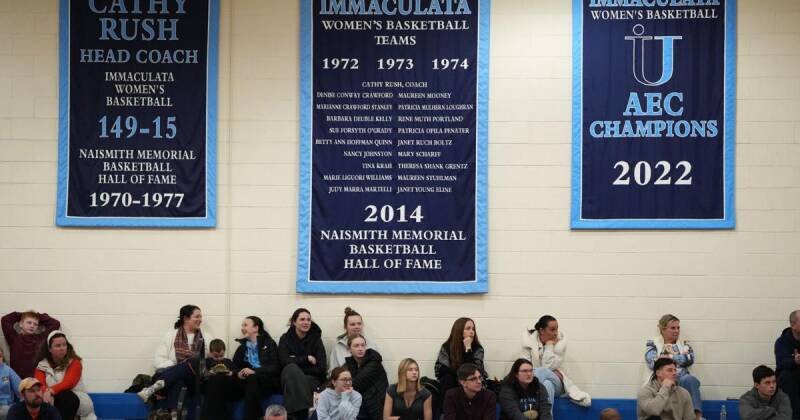



Explore the legacy of early women's basketball powerhouses like Immaculata and Wayland Baptist, and how their contributions shaped the modern game.
As powerhouses like UConn and South Carolina dominate the modern women's basketball landscape, it's crucial to remember the teams that laid the foundation for their success. This weekend's Final Four is built upon the shoulders of giants: programs like Immaculata, Queens College, Wayland Baptist, and Delta State. These schools, once synonymous with women's basketball excellence, now operate largely in the shadows, their contributions sometimes overlooked in the era of big money and national television deals.
Before the multi-million dollar endorsements and nationally televised games, women's basketball was driven by passion and a love of the game. Teams like Immaculata, the "Mighty Macs," captured the nation's attention in the early 1970s, winning three consecutive AIAW (Association for Intercollegiate Athletics for Women) national championships. Wayland Baptist, a small school in Texas, dominated the AAU (Amateur Athletic Union) scene for decades, sending numerous players to international competitions. Queens College and Delta State also boast impressive legacies of championships and groundbreaking players.
These programs thrived in a different era, one where resources were scarce, and recognition was hard-earned. They represent a critical chapter in the history of women's sports, a time when these athletes fought for respect and the right to play.
Remembering these pioneer teams is not just about nostalgia; it's about understanding the evolution of women's basketball and recognizing the sacrifices made by those who came before. The success of current programs is directly linked to the groundwork laid by these early champions. It also highlights the ongoing challenges related to resources and equity in women's sports.
These early programs demonstrated the marketability and appeal of women's sports long before mainstream media and advertisers acknowledged its value. Their historical accomplishments are the reason that women's college basketball games are widely available today.
The shift in power dynamics in women's basketball is undeniable. The rise of programs with larger budgets, more extensive recruiting networks, and greater media exposure has created a stark contrast with the smaller, less-funded schools of the past. In our opinion, this is a natural evolution of sports, but it's essential to ensure that the historical contributions of these pioneering programs are not forgotten. The introduction of NIL (Name, Image, Likeness) deals and increased television revenue further widens this gap.
We believe Title IX played a pivotal role in the growth of women's basketball. While Title IX provided educational opportunities, its benefits were never distributed equally. It is important to recognize that despite the opportunities created by Title IX, inequities continue to exist in terms of financial backing, media coverage, and overall recognition for women's sports.
While the landscape of women's basketball has changed, the spirit of competition and the passion for the game remain the same. Moving forward, it's crucial to find ways to support smaller programs and preserve the history of women's basketball. This could include:
This could impact the current state of NCAA women's basketball as a whole. It also raises questions about financial sustainability and the long-term health of the sport at all levels. Ultimately, the future of women's basketball depends on our ability to honor the past while embracing the challenges and opportunities of the present.
By acknowledging the foundation laid by the Immaculatas, Wayland Baptists, and others, we can ensure that the legacy of these pioneering programs continues to inspire future generations of female athletes.