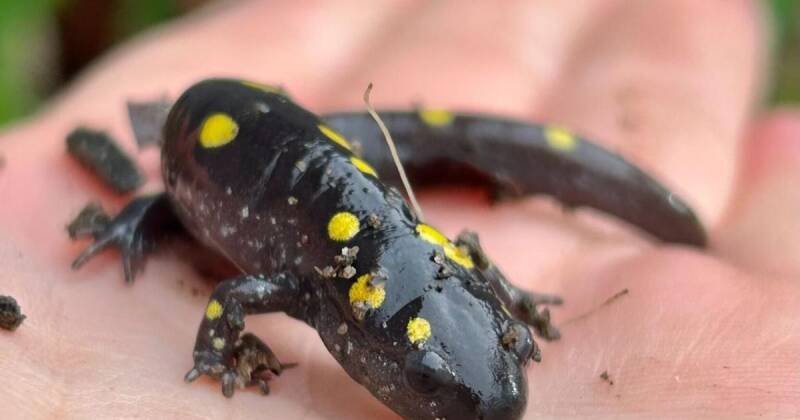
Wildlife Crossings in New Hampshire: A Ray of Hope for Amphibians and Reptiles
New Hampshire's innovative wildlife crossings are helping protect vulnerable reptile and amphibian populations. Learn why these tunnels are crucial for conservation and what the future holds.
Wildlife Crossings in New Hampshire: A Ray of Hope for Amphibians and Reptiles
New Hampshire is taking a proactive step to protect its often-overlooked, but vital, reptile and amphibian populations. Throughout the state, roads pose a significant threat to these creatures, fragmenting their habitats and leading to high mortality rates. Innovative wildlife crossings are now being constructed to help these animals safely navigate their environment.
The Problem: Roads and Wildlife
Roads are more than just paths for cars; they can act as barriers for many animals. Amphibians and reptiles, with their slower movements and dependence on specific habitats, are particularly vulnerable. As they try to cross roads to find food, mates, or suitable breeding grounds, they face a high risk of being hit by vehicles. This can drastically reduce populations and disrupt the delicate balance of the ecosystem.
The Solution: Underground Tunnels for Safe Passage
New Hampshire's approach involves building underground tunnels specifically designed for amphibians and reptiles. These tunnels provide a safe passage under busy roads, allowing animals to move freely between different areas of their habitat. The tunnels are carefully designed to mimic the natural environment, making them more attractive to the animals. This includes features like appropriate substrate, moisture levels, and even vegetation.
Why This News Matters
This initiative is important for several reasons:
- Conservation: It directly addresses the issue of habitat fragmentation and road mortality, helping to protect vulnerable species.
- Ecosystem Health: Amphibians and reptiles play crucial roles in the ecosystem, from controlling insect populations to serving as food sources for other animals. Protecting them helps maintain overall ecosystem health.
- Innovation: The wildlife crossings demonstrate a commitment to innovative solutions for environmental challenges. They could serve as a model for other states and countries facing similar issues.
- Carbon Sequestration: These animals are highly involved in the recycling of nutrients and helping to lock away carbon in our environment.
Our Analysis
In our opinion, this is a positive development for wildlife conservation in New Hampshire. The implementation of wildlife crossings shows a commitment to understanding and mitigating the impact of human activities on the environment. The success of these crossings hinges on several factors, including proper design, placement, and ongoing monitoring. It's crucial to ensure that the tunnels are effective in attracting and guiding animals, and that they remain functional over time.
One potential challenge is ensuring that the tunnels are appropriately maintained and protected from debris or other obstructions that could prevent animals from using them. Public awareness and support are also essential. Educating drivers about the importance of wildlife crossings and encouraging them to be vigilant on roads can further reduce the risk of road mortality.
Future Outlook
The future of wildlife crossings in New Hampshire looks promising. As the state gains more experience with these structures, it can refine its design and implementation strategies. In the future, we could see more sophisticated crossings that incorporate features like fencing to guide animals towards the tunnels, or even elevated crossings for larger animals.
This could impact the survival and recovery of local amphibian and reptile populations. Continued monitoring and research will be crucial to assess the long-term effectiveness of the crossings and to adapt management strategies as needed. Furthermore, the success of this initiative could inspire other states to adopt similar measures, leading to a broader network of wildlife crossings across the country. This ultimately benefits wildlife populations and promotes healthier ecosystems.
Ultimately, the success of these wildlife crossings will depend on ongoing collaboration between government agencies, conservation organizations, and the public. By working together, we can ensure that amphibians and reptiles continue to thrive in New Hampshire's forests and waterways.