Why Spring Is Pothole Season: Understanding Road Damage and How to Protect Your Car
Learn why spring is pothole season, how potholes form, and how to protect your vehicle from costly damage. Expert analysis and future outlook on road maintenance.
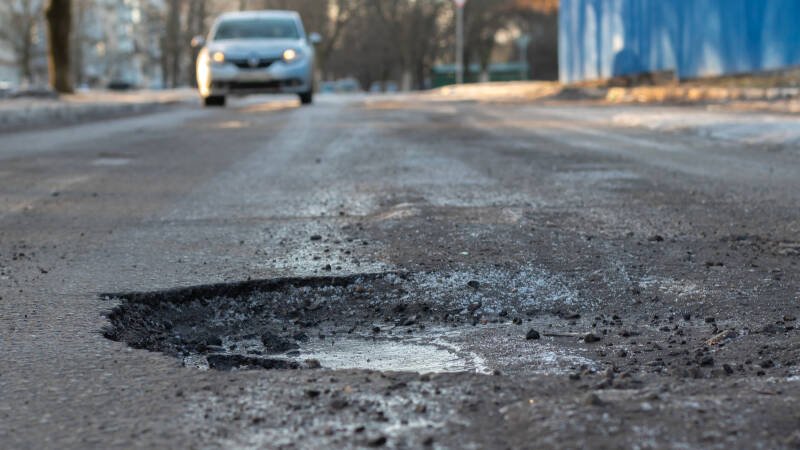



Learn why spring is pothole season, how potholes form, and how to protect your vehicle from costly damage. Expert analysis and future outlook on road maintenance.
Spring is often welcomed with open arms, signaling the end of winter's harsh grip. However, along with blooming flowers and warmer temperatures, it also brings a less desirable consequence: potholes. These road hazards seem to multiply in spring, creating a bumpy and potentially damaging driving experience.
Potholes aren't simply random holes in the road. They are the result of a specific set of conditions, primarily the freeze-thaw cycle that is characteristic of spring. During winter, water seeps into cracks in the pavement. When temperatures drop below freezing, this water expands as it turns to ice, exerting pressure on the surrounding asphalt or concrete. This pressure widens the cracks.
As temperatures fluctuate around the freezing point in spring, the ice melts and refreezes repeatedly. Each cycle weakens the road surface. Eventually, the weakened asphalt crumbles under the weight of traffic, leading to the formation of a pothole. The increased rainfall common in spring also exacerbates the problem, washing away loose material and further expanding the damage.
Potholes are more than just a nuisance; they represent a significant safety hazard and a costly burden for drivers. Damaged tires, bent rims, misaligned suspensions, and even damage to the exhaust system are all potential consequences of hitting a pothole. These repairs can quickly add up, costing drivers hundreds or even thousands of dollars. Moreover, potholes can cause drivers to swerve unexpectedly, increasing the risk of accidents.
The prevalence of potholes also reflects the state of our infrastructure. Aging roads and inadequate maintenance contribute to the problem, highlighting the need for increased investment in road repair and preventative maintenance. In our opinion, addressing the pothole problem is crucial for ensuring the safety and well-being of drivers and the overall efficiency of our transportation system.
The root cause of the spring pothole epidemic lies in a combination of natural processes and human factors. While the freeze-thaw cycle is an unavoidable natural phenomenon, the extent of pothole damage is often amplified by inadequate road maintenance and the use of lower-quality materials. Many roads are simply not designed to withstand the repeated stresses of freezing and thawing, especially under heavy traffic loads.
Furthermore, budget constraints often lead to reactive rather than proactive maintenance. Instead of implementing preventative measures to seal cracks and reinforce weak spots, road crews often focus on filling potholes after they have already formed. This approach is not only less cost-effective in the long run but also less effective at preventing further damage. We believe that a shift towards preventative maintenance strategies is essential for mitigating the pothole problem.
The future of pothole management depends on several factors, including technological advancements, funding levels, and policy decisions. New materials, such as self-healing asphalt and more durable concrete mixes, are being developed and tested, offering the potential for longer-lasting road surfaces. Increased investment in road infrastructure is also crucial, allowing for more frequent and thorough maintenance.
Furthermore, advancements in sensor technology and data analytics could enable more proactive pothole detection and repair. By using sensors embedded in roads or mounted on vehicles, transportation agencies could identify potential problem areas before potholes even form, allowing for timely intervention. This could impact road safety and decrease vehicle damage costs.
In the long term, a comprehensive approach that combines technological innovation, increased funding, and proactive maintenance strategies will be necessary to effectively combat the pothole problem. By investing in our infrastructure and embracing new technologies, we can create safer and more reliable roads for everyone.
























