Virginia Gas Prices Spike: What's Driving Inflation and How It Affects You
Rising inflation in Virginia, fueled by Middle East tensions, is impacting gas prices and consumer expectations. Learn what's happening and how it affects your wallet.
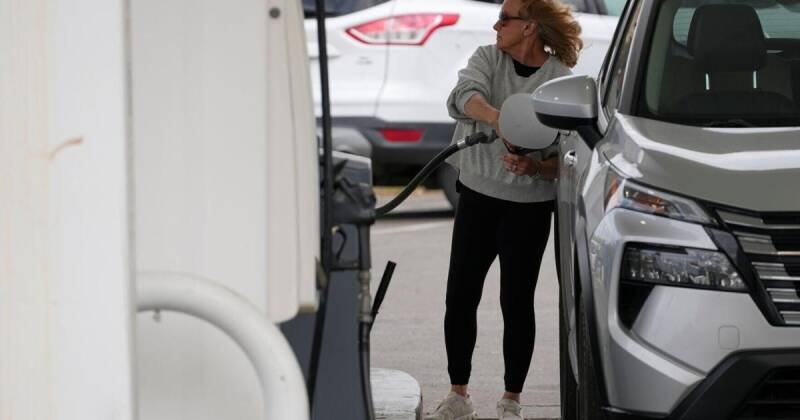



Rising inflation in Virginia, fueled by Middle East tensions, is impacting gas prices and consumer expectations. Learn what's happening and how it affects your wallet.
Virginians are feeling the pinch at the gas pump as tensions in the Middle East contribute to rising inflation and fuel costs. Consumers now anticipate inflation to climb to 4.8% in the coming year, a significant jump from last month's expectation of 3.8%. This increase directly impacts everyday expenses, with gas prices being one of the most visible and immediate effects.
The surge in gas prices has a ripple effect across the economy. Increased transportation costs can lead to higher prices for goods and services, putting further strain on household budgets. For families already struggling with rising food and housing costs, the added burden of expensive gas can be significant.
This increase in expected inflation isn’t just about gas; it reflects a broader concern about the stability of prices for essential goods and services. When consumers expect inflation to rise, they may adjust their spending habits, potentially leading to a slowdown in economic activity.
This news matters because it directly affects the financial well-being of every Virginian. Higher gas prices reduce disposable income, making it harder to afford other necessities. Furthermore, increased inflation expectations can become a self-fulfilling prophecy, as businesses may raise prices in anticipation of further cost increases. The combined effect can create a cycle of rising prices that erodes purchasing power.
The instability in the Middle East is a key driver of rising oil prices globally. As a major oil-producing region, any disruption in the Middle East supply chain inevitably leads to higher prices at the pump worldwide. This highlights the interconnectedness of the global economy and how events thousands of miles away can have a direct impact on local economies like Virginia's.
In our opinion, the situation is complex, with multiple factors at play. While the Middle East tensions are a significant contributor, other factors, such as supply chain issues and increased demand, also play a role. The Federal Reserve's monetary policy will also influence the future trajectory of inflation. A continued rise in inflation could force the Fed to raise interest rates further, which could slow down economic growth.
The timing of this price surge is particularly concerning. With the holiday season approaching, families are likely to face even higher expenses as they travel and purchase gifts. This could put a damper on consumer spending and potentially impact the retail sector. This could impact lower-income families the most, because they spend a larger percentage of their income on gas.
The future outlook remains uncertain. The duration and intensity of the Middle East conflict will significantly influence oil prices. If tensions escalate further, we could see even higher gas prices and increased inflation expectations. On the other hand, if the situation stabilizes, prices could moderate somewhat.
However, even if the Middle East situation improves, other factors could keep gas prices elevated. Ongoing supply chain issues and increasing global demand could continue to put upward pressure on prices. In addition, the transition to renewable energy sources, while ultimately beneficial, could lead to short-term price fluctuations as the energy market adjusts. It's highly likely we will see continued volatility in the energy market for the foreseeable future.
Ultimately, navigating this period of rising gas prices and inflation will require vigilance and careful financial planning. Staying informed and making smart choices can help Virginians weather this economic storm.