VAR in Premier League: Time to Scrap It and Save Football?
VAR controversies plague the Premier League. Is it time to abandon VAR to protect the integrity of the game? Expert analysis, future outlook, and reasons why this matters.



VAR controversies plague the Premier League. Is it time to abandon VAR to protect the integrity of the game? Expert analysis, future outlook, and reasons why this matters.
The Video Assistant Referee (VAR) system was introduced into the Premier League with the promise of increased accuracy and fairness in officiating. However, its implementation has been marred by controversy, delays, and a lingering sense that it's sucking the joy out of the beautiful game. Calls for its removal are growing louder, with many arguing that VAR has failed to live up to its initial promise and is, in fact, detrimental to the sport.
VAR is a system used in football to assist the referee in making decisions on key match-changing incidents. These include goals, penalties, direct red cards, and cases of mistaken identity. The aim was to minimize clear and obvious errors by providing a second look at these critical moments.
The system involves a team of officials watching the match remotely and reviewing incidents flagged by the on-field referee or when they spot a potential error. They then communicate with the referee, who can either accept their advice or review the incident on a pitch-side monitor.
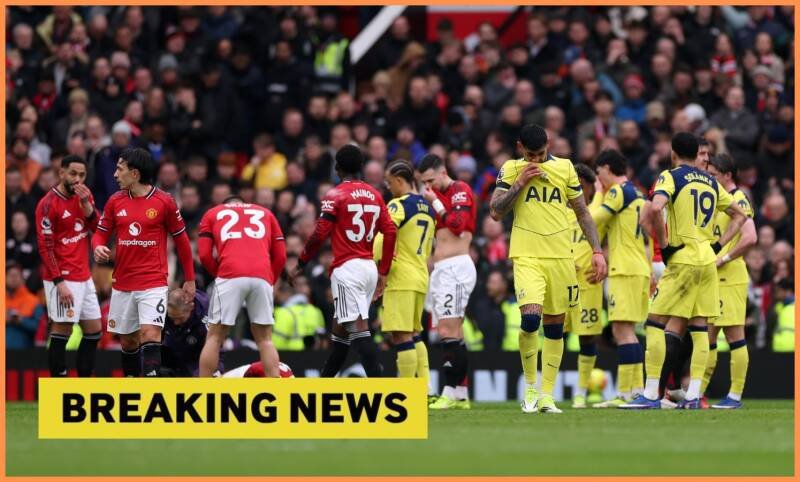
The debate around VAR's effectiveness transcends simple refereeing decisions. It touches upon the core values of football: spontaneity, passion, and the flow of the game. Frequent VAR interventions disrupt this flow, leading to frustration among players, managers, and fans alike.
Moreover, inconsistent application of VAR rules across different matches and even within the same game fuels further controversy. The lack of transparency surrounding VAR decisions and the time taken for reviews add to the sense of unease. This impacts the viewing experience and affects the integrity of the competition. Let's be honest, no one wants to celebrate a goal, then wait five minutes to see if it actually counts!
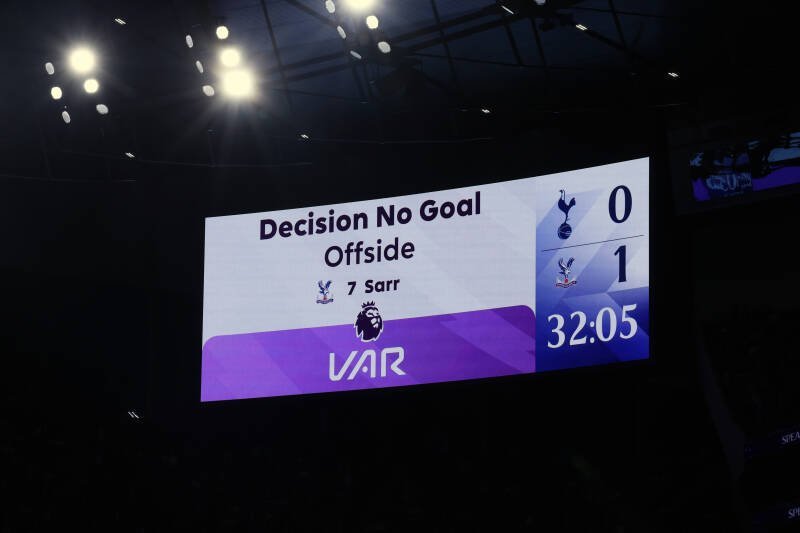
In our opinion, the current implementation of VAR in the Premier League is simply not working. While the intention behind introducing the technology was noble, the execution has been flawed from the start. The system is too often used to scrutinize marginal offsides and subjective penalty decisions, leading to overly pedantic interpretations of the laws of the game. A prime example is the often-debated armpit offside, which frequently nullifies perfectly good goals.
The delays caused by VAR reviews are another major problem. The long pauses disrupt the momentum of the game and drain the atmosphere inside the stadium. Fans are left in limbo, unsure whether to celebrate or groan, waiting for the final verdict. This undermines the live match experience, which is central to football's appeal.
Furthermore, the lack of clear communication and transparency regarding VAR decisions adds to the frustration. Often, fans are left in the dark about why a particular decision was made, leading to speculation and conspiracy theories. A more transparent system, with clear explanations for each decision, would go a long way towards improving public trust.
The Premier League faces a critical decision regarding the future of VAR. Several paths forward are possible:
In our opinion, significant reform is the most sensible path forward. VAR has the potential to improve the accuracy of officiating, but only if it is implemented in a way that minimizes disruption to the game and maintains its inherent spirit. This could impact the excitement and popularity of the Premier League. Further testing and refinement, perhaps behind closed doors, are needed before a future version of VAR can be considered a success.
Ultimately, the goal should be to find a balance between technology and tradition, ensuring that VAR enhances the game rather than detracting from it. The current debate highlights the urgent need for a constructive dialogue between the Premier League, referees, players, and fans to determine the best way forward for the future of officiating in football.