UM Grant Empowers Montana Students with Brain Science Education
A University of Montana grant is bringing cutting-edge brain science and suicide prevention education to Montana students, empowering them with knowledge and research opportunities.
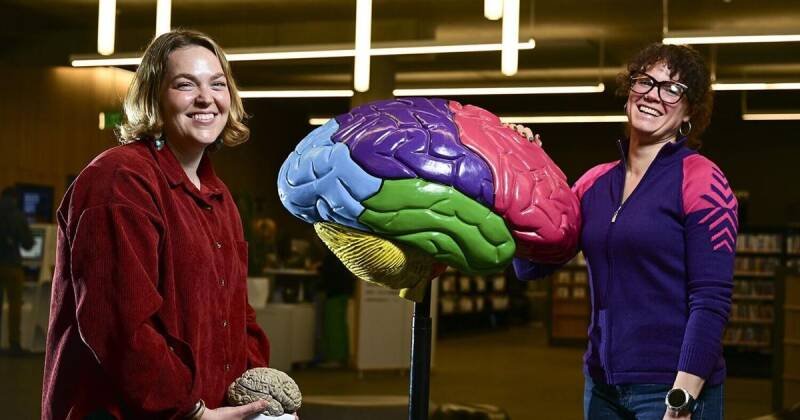



A University of Montana grant is bringing cutting-edge brain science and suicide prevention education to Montana students, empowering them with knowledge and research opportunities.
The University of Montana (UM) has secured a significant grant to launch the Changing Brain Initiative, a program designed to empower Montana students through brain science education and research focused on the public health crisis of suicide. This initiative directly connects students with faculty actively researching the complex factors contributing to suicide, providing them with invaluable hands-on experience and a deeper understanding of this critical issue.
The Changing Brain Initiative aims to bridge the gap between classroom learning and real-world research. Students participating in the program will have the opportunity to work alongside UM faculty members who are experts in various aspects of brain science, including neuroscience, psychology, and public health. This immersive experience allows students to contribute to ongoing research projects, analyze data, and gain practical skills that are highly sought after in the scientific community.
A central focus of the initiative is to address the public health crisis of suicide in Montana. The state has a persistently high suicide rate, making it a pressing concern for communities and healthcare professionals. By engaging students in suicide prevention research, the program aims to foster a new generation of scientists and advocates who are equipped to tackle this challenge. Students will learn about the biological, psychological, and social factors that contribute to suicidal behavior, as well as evidence-based strategies for prevention and intervention.
This news is significant for several reasons:
In our opinion, the Changing Brain Initiative is a commendable effort that demonstrates a proactive approach to addressing a significant public health issue. By combining education, research, and community engagement, the program has the potential to make a real difference in the lives of Montana residents. The emphasis on hands-on research experience is particularly valuable, as it allows students to develop critical thinking skills and gain practical knowledge that will serve them well in their future careers. The focus on suicide prevention is timely and essential, given the persistently high suicide rates in Montana. We believe that this initiative could serve as a model for other states and institutions seeking to address similar public health challenges.
The future outlook for the Changing Brain Initiative is promising. If successful, the program could be expanded to include more students, faculty, and research projects. This could impact the development of new suicide prevention strategies and interventions. Furthermore, the initiative could serve as a catalyst for increased collaboration between researchers, healthcare providers, and community organizations. As the program continues to evolve, it will be important to monitor its impact on student learning, research outcomes, and suicide rates in Montana. Long-term funding and support will be crucial to ensuring the sustainability of the initiative and maximizing its potential benefits.
While the initiative holds great promise, there are also potential challenges to consider. Securing long-term funding may be a hurdle, as research grants are often competitive and subject to fluctuations in funding priorities. It will also be important to ensure that the program is accessible to students from diverse backgrounds and geographic locations across Montana. Addressing the stigma associated with mental health and suicide may also be necessary to encourage more students and community members to engage with the program. However, with careful planning, strategic partnerships, and a commitment to inclusivity, these challenges can be overcome.
The UM grant and the Changing Brain Initiative represent a significant investment in the future of Montana's students and the health of its communities. By empowering students with knowledge and research opportunities, the program is fostering a new generation of leaders who are equipped to address the complex challenges of suicide prevention and mental health. This could impact Montana's future in a positive way.
























