Trump's Executive Order on College Sports: A Game Changer?
Explore President Trump's new executive order on college sports, praised by coaches like Nick Saban and John Calipari. We analyze the potential impact on student-athlete pay, transfers, and the future of women's and Olympic sports.
Trump's Executive Order on College Sports: A Game Changer?
Trump's Executive Order on College Sports: A Game Changer?
Former President Donald Trump recently signed an executive order aimed at reshaping the landscape of college sports. The order, titled "Urgent National Action to Save College Sports," has garnered both praise and criticism, sparking debate about its potential impact on student-athletes, universities, and the future of collegiate athletics.
What the Executive Order Entails
The executive order proposes several key changes to the current college sports model, including:
- Capping Student-Athlete Pay: Aiming to regulate the burgeoning Name, Image, and Likeness (NIL) deals, the order seeks to establish a "fair market value" for student-athlete compensation, potentially limiting how much they can earn.
- Restricting Transfers: The order suggests limiting student-athlete transfers to one per five-year eligibility window.
- Eligibility Window: Sets a five-year eligibility window for college athletes.
- Boosting Women's and Olympic Sports: The order emphasizes the need to protect and expand opportunities in women's and Olympic sports, including through revenue-sharing models.
Key Figures Weigh In
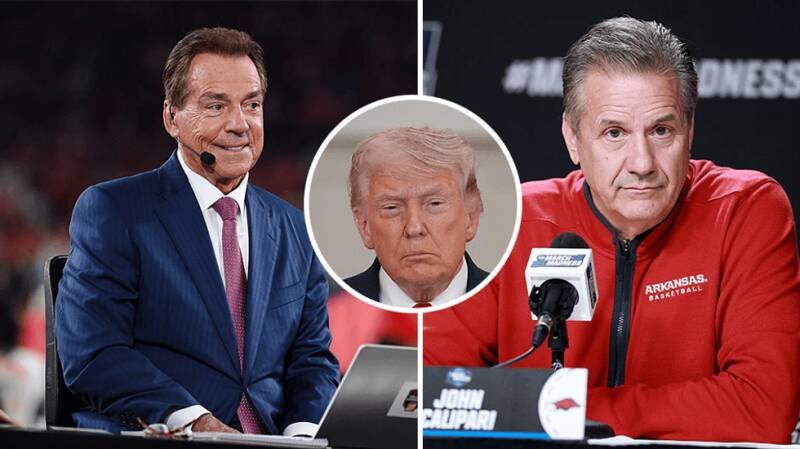
The executive order has elicited strong reactions from prominent figures in the college sports world. Legendary football coach Nick Saban, formerly of Alabama, expressed his support, stating that the directives allow universities to "preserve opportunities for all sports, including women's and Olympic sports, not just football and basketball."
Similarly, Arkansas men's basketball coach John Calipari defended the order, arguing that the current NIL landscape is "harmful" to student-athletes and the longevity of college sports. He urged Congress to pass bipartisan legislation to "SAVE COLLEGE SPORTS!"
Why This News Matters
This executive order attempts to address the growing concerns surrounding NIL deals and their potential to create an uneven playing field in college sports. The fear is that wealthier schools could use NIL deals to essentially "buy" top talent, undermining the integrity of competition. Furthermore, the order's emphasis on women's and Olympic sports reflects a desire to ensure these programs receive adequate funding and support in an era where revenue is increasingly concentrated in football and basketball.
Our Analysis
In our opinion, Trump's executive order is a significant intervention in the evolving world of college sports. While the intention to curb potential abuses of the NIL system and protect women's and Olympic sports is laudable, the proposed restrictions on student-athlete pay and transfers could face legal challenges and raise questions about fairness. The definition of "fair market value" for NIL deals will likely be a contentious issue, and the transfer limitations could restrict student-athletes' freedom to choose the best educational and athletic opportunities for themselves.
The emphasis on Congress to pass bipartisan legislation signals an understanding that a lasting solution requires a more comprehensive and legally sound framework. This could impact the lives of thousands of student-athletes and the competitive balance of college sports for years to come.
Future Outlook
The future of this executive order is uncertain. Its implementation date is set for August 1, but it is likely to face legal challenges from various stakeholders, including student-athletes, universities, and NIL collectives. Congress may also choose to take up the issue and pass legislation that either supports or overrides the order's provisions.
The SCORE Act, mentioned in connection with the order, could be a potential avenue for bipartisan compromise. This act proposes additional protections for student-athletes, such as guaranteeing medical benefits and preventing schools from restricting NIL agreements. Whether these measures will be enough to address the underlying concerns about fairness and sustainability in college sports remains to be seen.
Ultimately, the success of this initiative will depend on the willingness of all parties – Congress, the NCAA, universities, and student-athletes – to engage in constructive dialogue and find common ground. The future of college sports, in our opinion, is at a critical juncture, and the choices made in the coming months will have far-reaching consequences.