The Surprising Story of How Star Trek Into Darkness Brought a Tribble to Life
Discover the unexpected puppeteer behind the tribble in Star Trek Into Darkness and why this seemingly small detail matters to the movie's legacy.



Discover the unexpected puppeteer behind the tribble in Star Trek Into Darkness and why this seemingly small detail matters to the movie's legacy.
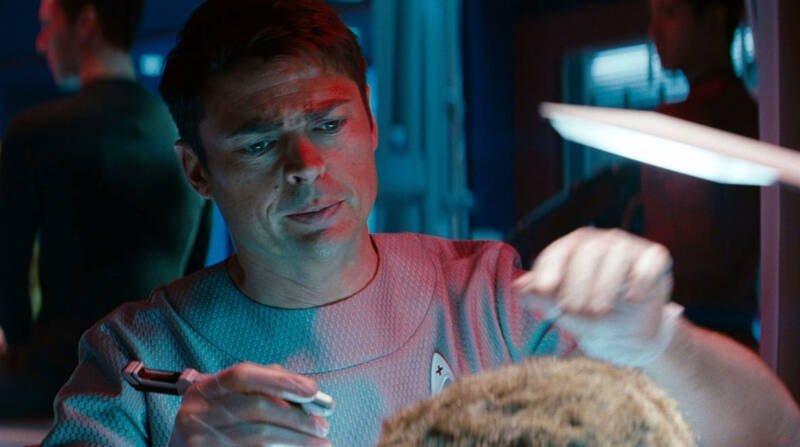
Star Trek fans know and love the tribbles – those small, furry, and rapidly reproducing creatures that first appeared in the classic Star Trek episode "The Trouble with Tribbles." When J.J. Abrams brought them back in Star Trek Into Darkness, a key plot point revolved around one of these iconic creatures. What's surprising is who was actually responsible for bringing that particular tribble to life through puppetry.
While the visual effects team undoubtedly played a role in the final look of the tribble, the physical manipulation of the puppet was handled by none other than Barney Jones, a key member of the film's art department. Often, prop makers or specialized puppeteers are brought in for these kinds of roles. But in this case, a member of the art department, whose regular duties involved crafting sets and other tangible elements of the film, took on the challenge.
The exact reasons for this unusual choice aren't explicitly detailed in publicly available information, but it likely came down to a combination of factors. Perhaps Jones had a particular skill set or affinity for puppetry, or maybe he was simply the most readily available and qualified person on set when the tribble scenes were being filmed. Either way, it's a fun piece of trivia that highlights the collaborative and often unexpected nature of filmmaking.
This seemingly small detail offers a fascinating glimpse behind the curtain of a major Hollywood production. It reminds us that filmmaking is often a patchwork of talent and ingenuity, where individuals from various departments contribute in unexpected ways. It also underscores the importance of practical effects, even in an era dominated by CGI. The use of a physical tribble puppet, however briefly, adds a tactile and believable element to the scene that pure CGI might lack. In our opinion, these small, practical touches often elevate the quality of a film and contribute to its lasting appeal.
The decision to have a member of the art department puppeteer the tribble likely stemmed from a need for practicality and efficiency on set. It demonstrates the resourcefulness that is often required in filmmaking. Rather than hiring a specialized puppeteer for a relatively short scene, the production team opted to leverage the existing skills within their crew. This could have also saved money, or helped to deliver more creative control to the art department. In our opinion, this is a good illustration of how even seemingly small production decisions can have an impact on the final product.
While CGI has become ubiquitous in modern filmmaking, practical effects like puppetry continue to play a vital role. They provide actors with a tangible object to interact with, which can lead to more authentic performances. Furthermore, practical effects often age better than CGI, which can sometimes look dated over time. This decision could impact the overall viewing experience.
While we may not see a resurgence of tribble puppetry specifically, the trend toward incorporating more practical effects in filmmaking seems to be gaining momentum. As audiences become more discerning and CGI becomes more commonplace, filmmakers are increasingly looking for ways to create a more grounded and believable cinematic experience. This could lead to more opportunities for artists and craftspeople with skills in puppetry, model making, and other practical effects techniques.
Ultimately, the story of the Star Trek Into Darkness tribble serves as a reminder that even in the age of digital filmmaking, there's still a place for the hands-on creativity and resourcefulness that have been at the heart of moviemaking since its inception. It's a testament to the power of collaboration and the unexpected contributions that can come from any member of a film crew.