The Legacy of Pioneer Women's Basketball Teams in the Modern Game
Explore the fading legacy of pioneer women's basketball teams like Immaculata and Wayland Baptist as money and modern programs reshape the landscape. Understand their impact and future outlook.
The Fading Echo of Pioneer Women's Basketball Teams
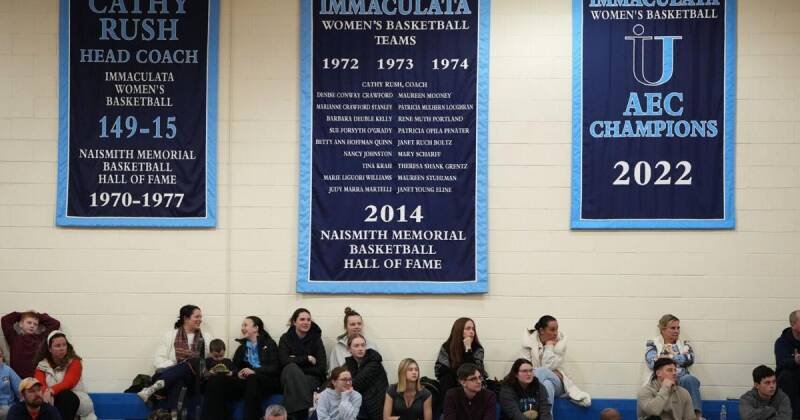
This weekend, as powerhouses like UConn and South Carolina battle it out in the Final Four, it's crucial to remember the giants whose shoulders they stand upon. These aren't just teams of the past; they are the pioneers who paved the way for the multi-million dollar women's basketball industry we see today. Teams like Immaculata University, Queens College, Wayland Baptist, and Delta State University were once the dominant forces, but today, their stories are often overshadowed by the modern game's glitz and glamour.
A Golden Era Built on Grit and Passion
Before massive television deals, professional sponsorships, and dedicated training facilities, women's basketball was fueled by pure passion. These pioneering teams, often operating on shoestring budgets and facing societal resistance, built dynasties. Immaculata, for example, dominated the early years of women's college basketball, winning the first three AIAW (Association for Intercollegiate Athletics for Women) national championships in the 1970s. Wayland Baptist, even earlier, boasted an incredible run in the 1950s and 60s, before the NCAA even sanctioned women's sports.
These programs weren't just winning games; they were breaking barriers and changing perceptions. They demonstrated that women could excel in athletics, paving the way for future generations of female athletes. These women were true pioneers, facing challenges we can barely imagine today.
Why This News Matters
Understanding the history of women's basketball is crucial for appreciating its present and future. The success of programs like UConn and South Carolina didn't happen in a vacuum. It's a direct result of the groundwork laid by these less-funded, less-recognized pioneer teams. Ignoring their contributions is a disservice to the sport and the athletes who sacrificed so much.
Furthermore, the story highlights the evolving landscape of college athletics. The influx of money and commercialization, while beneficial in many ways, has also created a system where resources are increasingly concentrated at a smaller number of schools. This makes it harder for smaller programs, even those with rich histories, to compete.
Our Analysis
In our opinion, the focus on modern powerhouses often obscures the crucial context of how women's basketball reached its current level of popularity. The emphasis on current stars overshadows the historical figures who endured hardship and discrimination to build the foundation of the sport. We believe this is a real loss to the sport.
The stark contrast between the budgets and resources available to teams like Immaculata in the 1970s compared to UConn or South Carolina today is staggering. The difference highlights how Title IX, while a landmark piece of legislation, hasn't completely leveled the playing field in college sports. More needs to be done to ensure equitable access to resources and opportunities for all women's basketball programs, not just the elite few.
Future Outlook
The future of smaller, historically significant women's basketball programs is uncertain. Without significant investment and strategic planning, they risk fading further into obscurity. However, there is hope.
Increased awareness and recognition of their historical contributions can attract donors and supporters. Embracing a unique identity and focusing on player development can also help these programs remain competitive. Furthermore, the rise of name, image, and likeness (NIL) deals could offer new avenues for these players and programs to generate revenue and visibility.
Ultimately, the future success of these pioneer programs hinges on their ability to adapt to the changing landscape of college athletics while preserving their rich history and commitment to developing well-rounded student-athletes. This could impact how the game is played at all levels.
The stories of Immaculata, Wayland Baptist, and other pioneering programs deserve to be celebrated, not forgotten. They remind us of the power of passion, perseverance, and the importance of honoring the past as we look towards the future.