Teens and AI: Why Their Optimism Might Be Misplaced
A new survey shows teens are largely unconcerned about the potential negative impacts of AI. Is this optimism justified, or are they overlooking potential risks? We analyze the implications for their future.
Teens and AI: Why Their Optimism Might Be Misplaced
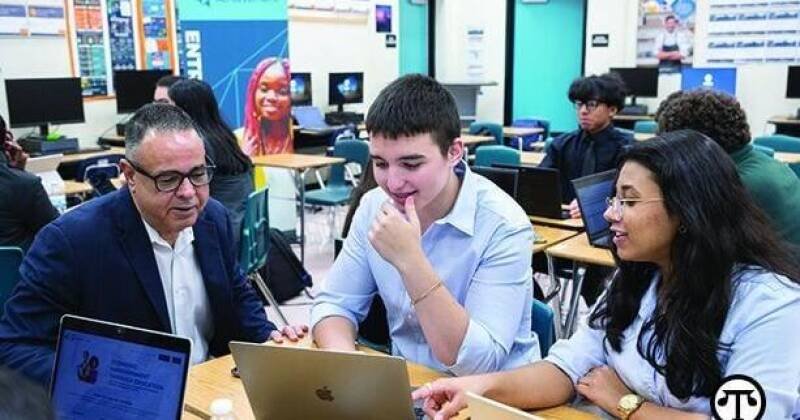
A recent survey conducted by Junior Achievement USA (JA) and Ipsos reveals a fascinating, and perhaps concerning, perspective: a significant majority of U.S. teenagers aren't particularly worried about the rise of Artificial Intelligence (AI). In fact, a whopping 73% believe AI will have a mostly positive effect, or no effect at all, on their lives.
This level of optimism, while understandable from a generation growing up immersed in technology, raises important questions about their awareness of the potential disruptions AI could bring to the job market and society as a whole.
Understanding the Survey
The survey, designed by Junior Achievement and conducted by Ipsos, a reputable global research firm, aimed to gauge teens' perceptions of AI and its potential impact on their future. The findings suggest a disconnect between the potential for widespread disruption predicted by many experts and the views held by a substantial portion of young people.
Why This News Matters
This news is significant for several reasons:
- Future Workforce: These teens represent the future workforce. Their perceptions and preparedness for an AI-driven world will directly impact their career prospects and the overall economy.
- Educational Implications: The survey highlights a potential need for educational institutions to better prepare students for the realities of AI, focusing on both its benefits and potential challenges.
- Societal Impact: Widespread complacency about AI's potential negative effects could hinder proactive measures to mitigate those risks, leading to unforeseen consequences.
Our Analysis
While optimism can be a valuable trait, a blind faith in the positive impact of AI could be detrimental. In our opinion, teenagers may be underestimating the potential for AI to automate jobs, widen the skills gap, and exacerbate existing inequalities.
The media often portrays AI in a positive light, focusing on its potential to solve problems and improve efficiency. This narrative, while not entirely inaccurate, can overshadow the potential downsides, such as job displacement and the need for continuous upskilling to remain relevant in the workforce.
Furthermore, the survey doesn't delve into the specifics of why teens hold these beliefs. Is it a lack of awareness, a sense of invincibility, or simply a hopeful outlook? Understanding the underlying reasons is crucial for developing effective strategies to address any potential misconceptions.
Skills for the AI Age
It's also important to consider what skills will be most valuable in an AI-driven world. While technical skills are undoubtedly important, so are critical thinking, creativity, problem-solving, and emotional intelligence. These "soft skills" are less easily automated and will be crucial for navigating the complexities of a rapidly changing job market.
Future Outlook
The future impact of AI is uncertain, but some trends are becoming increasingly clear:
- Job Displacement: Certain jobs are likely to be automated, requiring workers to adapt and acquire new skills.
- Increased Demand for AI Specialists: There will be a growing demand for professionals who can develop, implement, and maintain AI systems.
- Importance of Lifelong Learning: Continuous learning and upskilling will be essential for staying relevant in the workforce.
This could impact education systems. They need to adapt to prepare students for the skills needed to succeed in the future. Governments and businesses also have a responsibility to invest in training and reskilling programs to support workers who may be displaced by AI.
In conclusion, the survey highlights a potential disconnect between teenagers' optimistic views of AI and the potential realities of its impact. While embracing innovation is important, it's equally crucial to be aware of the potential challenges and to take proactive steps to prepare for the future. Fostering critical thinking and promoting lifelong learning will be essential for ensuring that the next generation is ready to thrive in an AI-driven world.