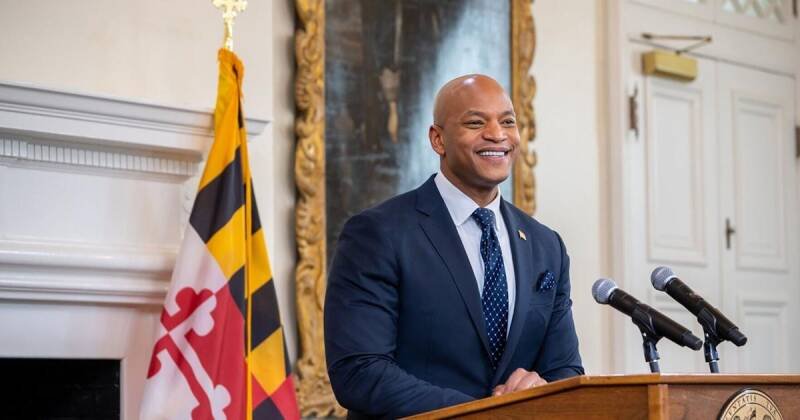
Social Programs Essential Even During Wartime: Why Maryland Governor's Stance Matters
Maryland Governor Wes Moore defends social programs like Medicare and childcare during wartime. Understand why these programs are essential and the potential impact of funding cuts.
Social Programs: A Lifeline During Wartime
Maryland Governor Wes Moore recently made headlines by strongly disagreeing with suggestions that the federal government should reconsider funding essential social programs like Medicare and childcare during wartime. Moore, appearing on CBS' "Face the Nation," labeled this idea as "nonsense," sparking a crucial debate about national priorities during times of conflict.
This isn't just about Maryland; it's about the fundamental role of the social safety net during periods of national crisis. When resources are stretched thin and families face increased uncertainty, these programs become even more vital.
The Context of the Debate
The suggestion to reconsider social program funding arose amidst discussions about managing federal spending in a complex global environment. With ongoing conflicts and increasing national security concerns, some argue that resources should be reallocated to defense and other areas deemed critical for national security.
However, Governor Moore and others counter that cutting social programs would disproportionately harm vulnerable populations and ultimately weaken the nation's overall strength. A healthy and supported population, they argue, is essential for both economic productivity and national resilience.
Why This News Matters
This news matters because it highlights a fundamental tension in policymaking: how to balance national security needs with the well-being of citizens, particularly during times of crisis. Cutting social programs could have devastating consequences for families, especially those already struggling. Reductions in childcare funding, for example, could force parents to leave the workforce, impacting the economy and further straining household finances. Medicare cuts could jeopardize access to healthcare for seniors and individuals with disabilities.
The debate also underscores the different philosophies regarding the role of government. Some believe in a smaller government with limited social spending, while others advocate for a robust social safety net as a necessary component of a just and prosperous society.
Our Analysis
In our opinion, Governor Moore's stance is commendable. While responsible fiscal management is undoubtedly important, gutting essential social programs during wartime is short-sighted. A strong nation is built on a strong foundation, and that foundation includes a healthy, educated, and supported populace.
Prioritizing national security at the expense of social welfare is a false choice. In fact, investing in social programs can actually enhance national security by reducing poverty, improving health outcomes, and strengthening communities. A stable and secure population is less vulnerable to radicalization and more resilient in the face of adversity.
This debate also exposes a crucial misunderstanding of the interconnectedness of different sectors. Cuts to social programs often lead to increased healthcare costs, decreased productivity, and higher crime rates, ultimately negating any perceived savings.
Future Outlook
The debate surrounding social program funding is likely to continue, especially as geopolitical tensions persist and economic uncertainties loom. Expect to see increased scrutiny of government spending and renewed calls for both fiscal responsibility and social equity.
This could impact upcoming budget negotiations at both the state and federal levels. Advocacy groups and concerned citizens will need to actively engage in the political process to ensure that the voices of vulnerable populations are heard and that social programs are adequately funded.
The future of social programs will depend on the outcome of these ongoing debates. We anticipate that policymakers will face increasing pressure to find innovative solutions that balance national security needs with the fundamental right of all citizens to a decent standard of living.
In the long term, a comprehensive approach that addresses the root causes of poverty and inequality will be essential for creating a more just and prosperous society for all. This requires not only adequate funding for social programs but also investments in education, job training, and affordable housing.