Sea Lion Rescue: Understanding the Challenges and Future of Marine Animal Care
A sea lion in critical condition was rescued from Vancouver Island. Learn about the rescue, the challenges facing marine life, and what the future holds for animal rescue efforts.
Sea Lion in Critical Condition Rescued off Vancouver Island
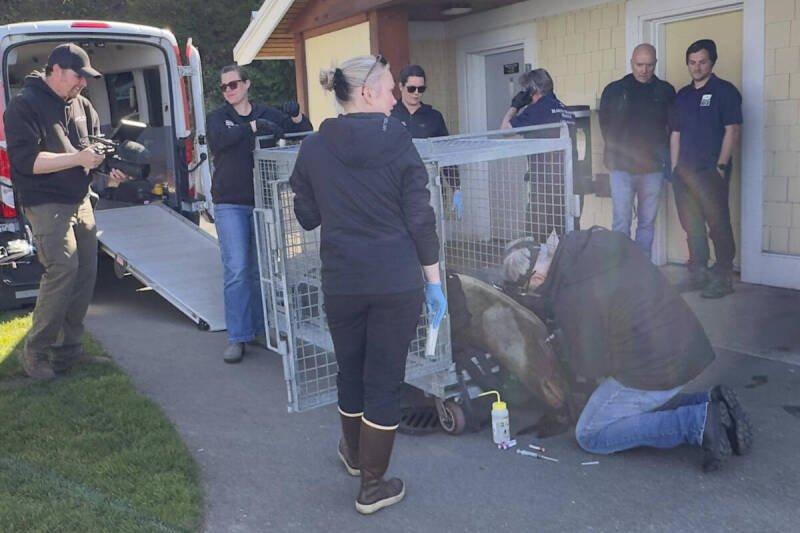
A sea lion, suffering from what is suspected to be a "traumatic injury," was recently rescued from the waterfront of Vancouver Island. The Vancouver Aquarium Marine Animal Rescue Society (M.A.R.S) is currently providing intensive care to the animal. The rescue highlights the ongoing challenges faced by marine wildlife and the crucial role rescue organizations play in their survival.
The Rescue Operation
The M.A.R.S team responded swiftly after receiving reports of the distressed sea lion. Upon arrival, they assessed the animal's condition and determined that immediate intervention was necessary. The sea lion was carefully transported to a specialized facility where it could receive the medical attention it desperately needed.
Details about the exact location of the rescue on Vancouver Island were not released, but the fact that this happened near a populated area increases the possibility of human interaction contributing to the injury.
Why This News Matters
This rescue underscores several important issues:
- The Vulnerability of Marine Life: Sea lions and other marine animals are constantly at risk from various threats, including boat strikes, entanglement in fishing gear, and pollution.
- The Importance of Rescue Organizations: The Vancouver Aquarium M.A.R.S and similar groups are vital for providing care to injured and orphaned marine animals. Without their intervention, many of these animals would not survive.
- The Impact of Human Activity: While the cause of the sea lion's injury is still under investigation, it serves as a reminder of the potential impact of human activities on marine ecosystems.
Our Analysis
The suspected "traumatic injury" suggests a range of possibilities, from a collision with a boat to an encounter with a predator. In our opinion, a thorough investigation into the circumstances surrounding the injury is crucial to understanding the threats facing sea lions in this region. Increased boat traffic and fishing activities could very well be increasing the incidents involving these animals. More research into the actual causes is needed so preventative measures can be implemented.
The Vancouver Aquarium M.A.R.S is doing incredible work. The dedication and expertise of the team are essential for giving this sea lion a fighting chance. Success rates vary widely in these situations, dependent on the severity of the injury.
Future Outlook
The sea lion's recovery process will likely be long and challenging. The M.A.R.S team will provide ongoing medical care, including wound treatment, pain management, and nutritional support. The ultimate goal is to rehabilitate the animal and eventually release it back into the wild.
This incident highlights the need for increased public awareness about the importance of protecting marine life. Simple steps, such as properly disposing of fishing gear and reducing boat speeds in sensitive areas, can make a significant difference. Stronger legislation to further protect these animals is also warranted. This could impact local economies dependent on fishing and boating, but these temporary costs could be offset by a thriving marine ecosystem in the long run.
Further, it is likely that climate change is impacting sea lion populations by changing the availability of food. As water temperatures rise, fish stocks migrate, potentially leaving sea lions struggling to find enough to eat. A holistic approach to marine conservation is needed to protect sea lions and other marine wildlife.
Supporting Marine Animal Rescue
You can support the Vancouver Aquarium Marine Animal Rescue Society and similar organizations by:
- Making a donation.
- Volunteering your time.
- Educating yourself and others about marine conservation.
By working together, we can ensure a brighter future for marine animals like this rescued sea lion.