Save Money on Gas: Simple Driving Habits That Boost Fuel Efficiency
Discover overlooked driving habits that can significantly reduce your gas costs. Learn how to save money at the pump and improve your car's fuel efficiency with practical tips and expert analysis.
Overlooked Habits Costing Drivers Money at the Pump (and the Plug!)
With high gas prices continuing to pinch wallets, many Americans are searching for ways to reduce their fuel costs. It's not just about gas-guzzlers anymore; even small adjustments in driving style and vehicle maintenance can add up to significant savings. This article explores common, often-overlooked habits that contribute to higher fuel consumption and offers actionable tips for saving money.
Driving Habits That Drain Your Wallet
Aggressive driving, like rapid acceleration and hard braking, burns significantly more fuel than smooth, consistent driving. Think of it this way: flooring the gas pedal is like throwing money out the window. Maintaining a steady speed and anticipating traffic flow can drastically improve your miles per gallon (MPG).
Similarly, excessive idling can waste a surprising amount of fuel. If you're stopped for more than a minute, it's generally more efficient to turn off your engine. Many newer cars even have an auto stop-start feature that does this automatically.
Vehicle Maintenance Matters
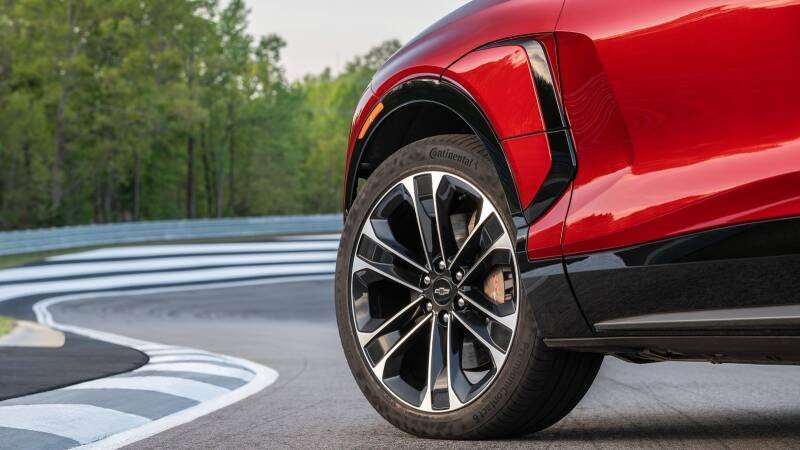
Neglecting basic vehicle maintenance can also negatively impact fuel efficiency. Underinflated tires increase rolling resistance, requiring your engine to work harder. Regularly check your tire pressure and ensure it's at the recommended level. Clogged air filters restrict airflow, reducing engine performance and fuel economy. Replacing air filters as recommended by your vehicle's manufacturer is essential.
Furthermore, using the wrong grade of motor oil or neglecting oil changes can increase friction within the engine, leading to reduced efficiency. Stick to the recommended oil type and follow the manufacturer's maintenance schedule.
Beyond the Pump: Optimizing EV Charging
For electric vehicle (EV) owners, optimizing charging habits is crucial for cost savings. Charging during off-peak hours, when electricity rates are lower, can significantly reduce your charging costs. Many utility companies offer time-of-use rates specifically designed for EV owners.
Consider using a Level 2 charger at home, which provides a faster and more efficient charge than a standard Level 1 charger. Proper battery management, such as avoiding extreme charging levels (e.g., constantly charging to 100% or letting the battery drain completely), can also extend battery life and maintain optimal efficiency.
Why This News Matters
In today's economy, every dollar counts. High gas prices disproportionately impact lower-income individuals and families who rely on their vehicles for transportation. By adopting these simple habits, drivers can gain greater control over their fuel expenses and free up money for other essential needs.
Furthermore, reducing fuel consumption has environmental benefits. Burning less gasoline translates to lower greenhouse gas emissions, contributing to cleaner air and a healthier planet.
Our Analysis
In our opinion, the key takeaway is that fuel efficiency isn't just about buying a fuel-efficient vehicle; it's about adopting fuel-efficient habits. Simple changes in driving style and vehicle maintenance can make a substantial difference in your wallet and the environment. We believe these strategies are accessible to everyone, regardless of their vehicle type or driving experience.
While electric vehicles offer the potential for even greater cost savings, it's important to consider the upfront cost and charging infrastructure. For many drivers, optimizing their gasoline vehicle is the most immediate and practical way to reduce fuel expenses.
Future Outlook
We anticipate that high energy prices will continue to be a concern for consumers in the near future. This could impact consumer behavior and lead to increased demand for fuel-efficient vehicles and alternative transportation options. Furthermore, governments may implement policies to encourage fuel efficiency, such as tax incentives for hybrid and electric vehicles.
As technology advances, we can expect to see even more innovative solutions for improving fuel efficiency, such as advanced engine designs, lightweight materials, and more efficient electric vehicle batteries. The future of transportation will likely be characterized by a greater emphasis on sustainability and cost savings.
By taking proactive steps to improve fuel efficiency, drivers can not only save money but also contribute to a more sustainable future. It's a win-win situation for everyone.