Rosé Season Arrives Early: What It Means for Restaurants and You
Rosé season is kicking off earlier than ever! Discover why restaurants are embracing outdoor dining and the implications for consumers and the wine industry.




Rosé season is kicking off earlier than ever! Discover why restaurants are embracing outdoor dining and the implications for consumers and the wine industry.
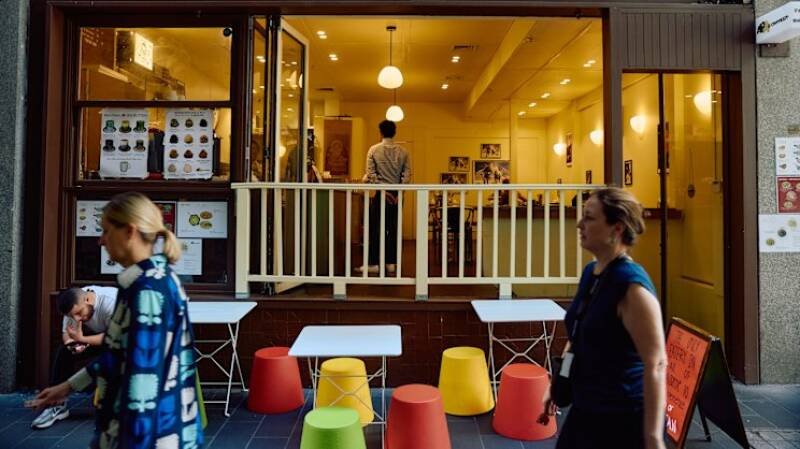
The familiar blush hues of rosé are gracing tables earlier than usual this year, signaling the start of what many call "rosé season." With spring in full swing, restaurants across the country are eager to welcome patrons back to patios, rooftops, and sidewalk cafes, and chilled rosé is taking center stage.
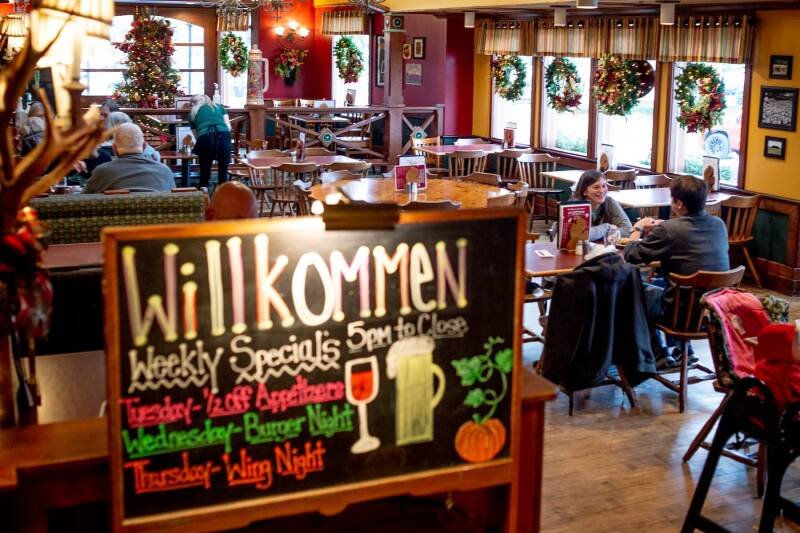
Several factors are contributing to this early embrace of rosé. The most prominent is the increased popularity of outdoor dining. After several years of pandemic-related restrictions, people are craving open-air experiences. Restaurants are responding by maximizing their outdoor seating and curating menus that pair perfectly with the lighter, refreshing qualities of rosé.
Warmer-than-average temperatures in many regions also play a role. Consumers are reaching for lighter beverages sooner in the year, seeking a cool and crisp alternative to heavier red wines.
The early start to rosé season impacts several groups:
In our opinion, this trend reflects a broader shift in consumer preferences toward lighter, more approachable wines. Rosé has shed its reputation as a simple "summer sipper" and is now recognized as a complex and versatile wine that can be enjoyed year-round. Its appealing color, diverse flavor profiles (from dry and crisp to fruity and sweet), and affordability make it an attractive option for a wide range of palates.
The increased focus on outdoor dining also represents a long-term change in consumer behavior. People have discovered the joys of al fresco experiences and are seeking them out more frequently. Restaurants that adapt to this trend by creating inviting outdoor spaces and offering compelling rosé selections are likely to thrive.
This could impact other wine categories as well. We anticipate that other light-bodied and refreshing wines, such as sparkling wines and light-bodied white wines, will also benefit from the increased focus on outdoor dining.
We expect the popularity of rosé to continue to grow, with rosé season extending further each year. Wine producers will likely continue to experiment with different grape varietals and winemaking techniques to create even more diverse and compelling rosé offerings.
Furthermore, the rise of canned rosé and rosé-based cocktails suggests a growing trend toward convenience and versatility. These formats make rosé more accessible for casual gatherings and outdoor activities. Expect to see even more innovation in this area in the coming years.
The restaurant industry will continue to invest in outdoor dining spaces, creating more appealing and comfortable environments for patrons. This will further fuel the demand for rosé and other refreshing beverages. This could create new challenges for restaurants in colder climates, requiring them to invest in heated outdoor spaces or innovative strategies to extend the outdoor dining season.
Ultimately, the early start to rosé season is a positive sign for both the wine industry and consumers, signaling a vibrant and evolving market that is responsive to changing tastes and preferences.