RISING Festival 2026: Indigenous-Led Art Takes Center Stage
RISING Festival in Naarm (Melbourne) expands its 2026 program with powerful new Indigenous-led art. Discover why this is important, our analysis, and the future outlook for Indigenous art in Australia.
RISING Festival 2026: A Spotlight on Indigenous Voices
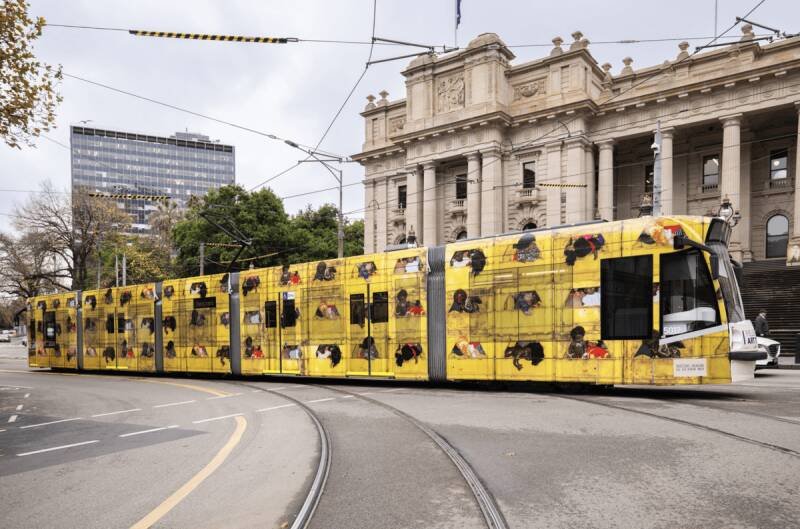
RISING, Melbourne's (Naarm's) celebrated festival of music, art, and performance, is significantly expanding its 2026 program to include groundbreaking new works led by Indigenous artists. This expansion signifies a deepening commitment to showcasing First Nations perspectives and creativity on a national and international stage.
What's New for 2026?
While specific details about the projects are still under wraps, RISING has emphasized that these works will be substantial and deeply impactful. The festival is actively collaborating with Indigenous communities and artists to ensure authentic representation and meaningful engagement. This signals a shift towards not just including Indigenous artists, but empowering them to lead and shape the festival's artistic direction.
The festival's organizers have stated their intention to provide significant resources and support to these Indigenous-led projects, demonstrating a real investment in their success and sustainability. This includes funding, mentorship opportunities, and access to state-of-the-art production facilities.
Why This News Matters
This announcement from RISING is incredibly important for several reasons:
- Amplifies Indigenous Voices: It provides a platform for Indigenous artists to share their stories, perspectives, and cultural heritage with a wider audience.
- Promotes Reconciliation: By prioritizing Indigenous leadership, RISING is actively contributing to the process of reconciliation between Indigenous and non-Indigenous Australians.
- Elevates Australian Art: Showcasing Indigenous art elevates the overall quality and diversity of Australian art on the world stage.
- Economic Empowerment: These projects create opportunities for Indigenous artists and communities to participate in the cultural economy and build sustainable careers.
Our Analysis
In our opinion, this move by RISING is a significant step forward. It demonstrates a genuine commitment to decolonizing the arts and creating a more equitable and inclusive cultural landscape. It moves beyond tokenistic gestures and towards a genuine partnership with Indigenous communities.
The success of these Indigenous-led works will depend on several factors, including the level of support provided by RISING, the extent of community engagement, and the critical reception of the projects. However, the initial signs are promising.
This could impact other festivals and arts organizations across Australia, encouraging them to adopt similar models of Indigenous leadership and collaboration.
Potential Challenges
It's crucial to acknowledge potential challenges. Ensuring authentic representation and avoiding cultural appropriation will require ongoing dialogue and collaboration with Indigenous communities. Maintaining the integrity and artistic vision of the projects while navigating institutional structures can also be complex.
Future Outlook
The future outlook for Indigenous art in Australia is bright. There is a growing recognition of the importance of Indigenous voices and perspectives in the arts. Increased funding, mentorship opportunities, and platforms like RISING are creating pathways for Indigenous artists to thrive.
We anticipate that this trend will continue, with more Indigenous artists taking on leadership roles in the arts sector and shaping the cultural landscape of Australia. This will not only enrich the arts but also contribute to a more just and equitable society.
Ultimately, the RISING festival's commitment is a positive signal that recognizes the deep cultural history and enduring creativity of First Nations people. It’s a call to listen, learn, and amplify these crucial voices in the world of art.