Political Interference Alleged to Drive Kickbacks in Ghana's Insurance Sector
The president of IBAG alleges political interference is fueling kickbacks in Ghana's insurance sector. Learn more about the allegations, potential impacts, and future outlook.
Political Interference Alleged to Drive Kickbacks in Ghana's Insurance Sector
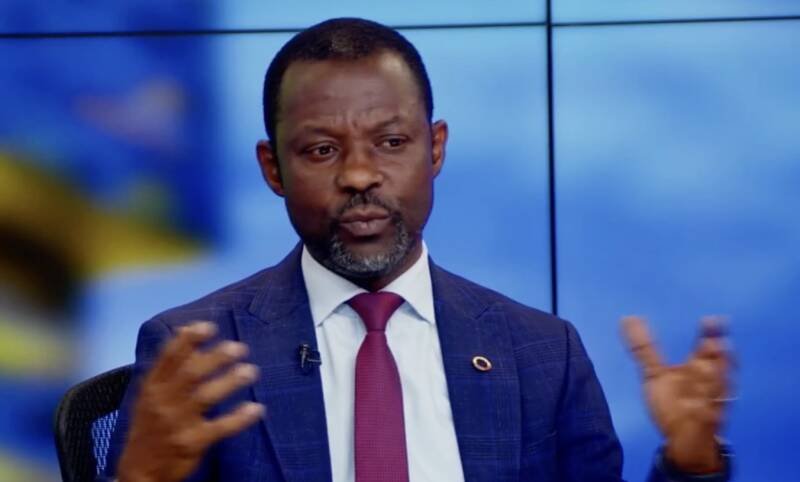
The Insurance Brokers Association of Ghana (IBAG) has raised serious concerns about the integrity of the country's insurance sector. According to IBAG President Stephen Kwarteng Yeboah, there is increasing political interference that is contributing to the rise of kickbacks within the industry. This could have significant ramifications for businesses and individuals relying on insurance, as well as the overall health of the Ghanaian economy.
What Happened?
Stephen Kwarteng Yeboah, the president of IBAG, publicly voiced his concerns, alleging that political influence is creating an environment where kickbacks are becoming more commonplace. While the specific instances and actors involved were not immediately detailed, the implication is that political pressure is being used to sway insurance decisions, potentially benefiting certain parties at the expense of fair competition and ethical practices.
Why This News Matters
This news is important because it highlights potential issues of corruption and undue influence within a critical sector of Ghana's economy. The insurance industry plays a vital role in risk management, investment, and financial stability. If political interference is indeed leading to kickbacks, it can:
- Erode Public Trust: When people lose faith in the integrity of the insurance system, they may be less likely to purchase insurance, leaving them vulnerable to financial losses.
- Distort the Market: Kickbacks can create an uneven playing field, favoring companies that are willing to engage in unethical practices, while disadvantaging those that operate with integrity.
- Increase Costs: The costs associated with kickbacks are often passed on to consumers in the form of higher premiums or reduced coverage.
- Hinder Economic Growth: A corrupt insurance sector can deter foreign investment and hinder the development of a strong, resilient economy.
Our Analysis
In our opinion, these allegations are extremely serious and warrant a thorough investigation. The claims made by the IBAG president suggest a systemic problem that, if left unchecked, could have devastating consequences for the insurance sector and the Ghanaian economy as a whole.
It's important to note that these are allegations, and further investigation is needed to determine the extent and nature of the political interference. However, the fact that the president of a major industry association is speaking out suggests that there is genuine cause for concern. The lack of specific details can also be seen as strategic move for an ongoing investigation to protect the potential whistleblowers and prevent any obstruction of justice.
Future Outlook
The future outlook for Ghana's insurance sector hinges on how these allegations are addressed. Several factors will influence the path forward:
- Government Response: A swift and decisive response from the government is crucial. This could involve launching an independent investigation, strengthening regulatory oversight, and implementing anti-corruption measures.
- Industry Self-Regulation: Insurance companies and brokers must also take responsibility for upholding ethical standards. This could involve strengthening internal compliance programs and promoting a culture of integrity.
- Public Awareness: Raising public awareness about the dangers of corruption and encouraging citizens to report suspicious activity can help to create a more transparent and accountable insurance sector.
This could impact Ghana's standing in international finance and investment circles. Investors often look for stable and transparent business environments, and allegations of corruption can deter them from investing in a country.
Ultimately, the long-term health of Ghana's insurance sector depends on its ability to operate with integrity, transparency, and fairness. Failure to address these concerns could undermine public trust, stifle economic growth, and leave businesses and individuals vulnerable to financial risks.