Northern Ireland's Easter Snow Surprise: Weather Whiplash and What It Means
Northern Ireland experienced a snowy Easter Sunday, but warmer weather is on the way. We break down the forecast, explain why this matters, and offer expert analysis.
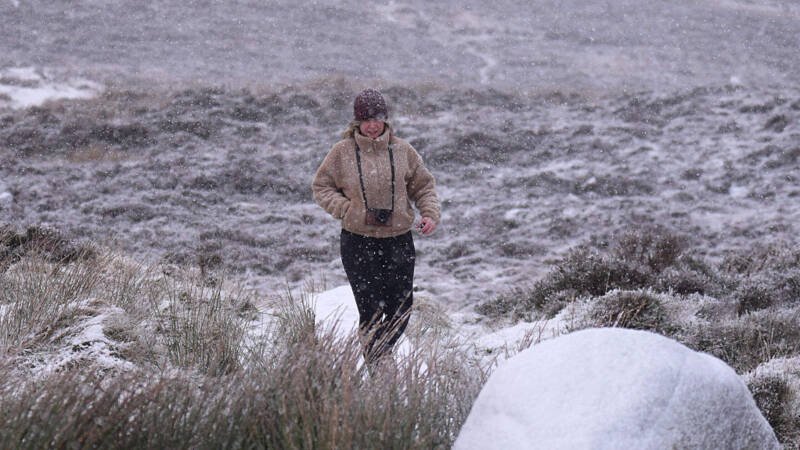



Northern Ireland experienced a snowy Easter Sunday, but warmer weather is on the way. We break down the forecast, explain why this matters, and offer expert analysis.
Northern Ireland experienced a bit of a weather whiplash this Easter Sunday. While many across the region woke up to a dusting of snow, the Met Office is forecasting significantly warmer temperatures in the coming days. This abrupt shift highlights the unpredictable nature of weather patterns and the increasing importance of accurate forecasts.
The sight of snow on Easter morning was certainly unexpected for many. It brought a temporary chill and a touch of winter back to a region already anticipating the arrival of spring. While the snowfall wasn't widespread or heavy, it served as a stark reminder that even in late March, the weather can still deliver surprises.
According to the Met Office, the cold snap is expected to be short-lived. Forecasts predict that temperatures could climb into the mid-teens Celsius (around 60 degrees Fahrenheit) by Tuesday. This rapid change is attributed to a shift in air masses, bringing warmer air from the south. This means that the Easter coats and scarves may soon be replaced by lighter layers.
The seemingly simple story of snow and sun highlights several important issues. First, it underscores the ever-changing nature of our climate and weather systems. Second, it showcases the crucial role that weather forecasting plays in our daily lives, influencing everything from travel plans to farming practices. A sudden cold snap can be damaging to vulnerable plants, and inaccurate forecasting can affect businesses and individuals. Also, such fluctuations might contribute to climate anxiety, making people feel uncertain and concerned about the future.
In our opinion, the Easter snow serves as a micro-example of broader climate trends. While isolated weather events cannot be directly attributed to climate change, the increasing frequency of extreme weather – both hot and cold – aligns with predictions of a more volatile climate. The rapid swing from snow to potentially mild temperatures is a testament to this volatility. This makes accurate, long-term weather forecasting all the more critical.
The Met Office’s ability to accurately predict this shift is also noteworthy. Advances in meteorological science and technology are allowing for increasingly precise and reliable forecasts, helping us better prepare for whatever weather comes our way. This suggests that further investment in these areas is warranted.
Looking ahead, the long-term weather patterns for Northern Ireland, and indeed the rest of the UK, are expected to be influenced by climate change. We can anticipate:
This could impact various sectors, including agriculture, tourism, and infrastructure. Farmers may need to adapt their planting schedules and crop choices. Cities may need to invest in improved drainage systems. And all of us may need to become more resilient to the impacts of a changing climate. In our opinion, continued research, adaptation strategies, and proactive planning are crucial to navigating the challenges that lie ahead.
The snowy Easter followed by a warm-up is a good reminder to stay informed and prepared for whatever the weather may bring. Staying up-to-date with reliable weather forecasts is essential for making informed decisions and mitigating the potential impacts of extreme weather events.