NFL Referee Strike: What's Different This Time?
NFL referee contract negotiations are stalled, raising the specter of replacement referees. Learn what's at stake and how the NFL is trying to avoid a repeat of the 2012 debacle.
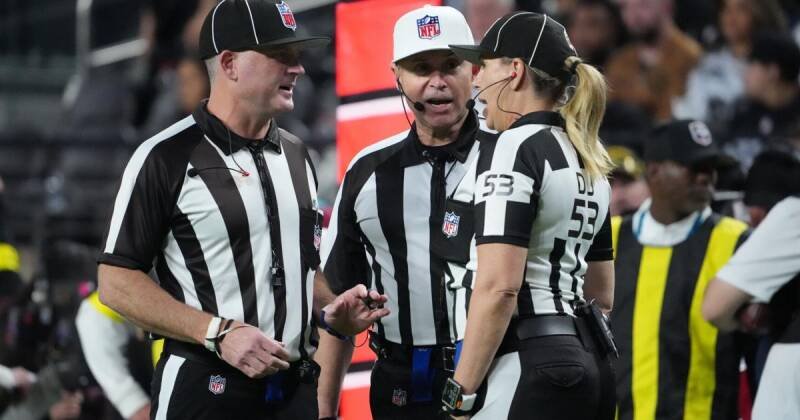



NFL referee contract negotiations are stalled, raising the specter of replacement referees. Learn what's at stake and how the NFL is trying to avoid a repeat of the 2012 debacle.
The National Football League (NFL) and its referees are currently at an impasse in contract negotiations. While a deal hasn't been reached, the possibility of replacement referees taking the field this season is a concern for fans and players alike. This situation brings back memories of the disastrous 2012 lockout, a period many remember for its questionable calls and negative impact on the game.
Negotiations between the NFL and the NFL Referees Association (NFLRA), the union representing the officials, have reportedly stalled. The sticking points are likely related to salary, benefits, and working conditions. While details of the negotiations aren't public, these are typical areas of contention in any labor dispute. Without a new agreement in place before the season starts, the NFL may resort to using replacement officials.
The quality of officiating directly impacts the integrity of the game. Poor calls can change game outcomes, frustrate players and coaches, and ultimately diminish the viewing experience for fans. The 2012 replacement referee debacle highlighted the crucial role experienced officials play in maintaining fair and accurate gameplay. A repeat of that situation would be detrimental to the NFL's image and the overall enjoyment of the sport.
Consider the implications: potential misinterpretations of complex rules, missed penalties leading to player injuries, and a general lack of credibility that erodes trust in the league. The NFL needs to find a solution that avoids these pitfalls.
The NFL says it has learned from the 'mistake' of using replacement refs in 2012. However, the mere fact that the possibility is being discussed suggests the league is prepared to go down that road again if necessary. While the NFL might claim to have better vetting processes for potential replacements, the inherent experience gap remains a significant concern. It's difficult to quickly train individuals to the level of competence required for the complexities and speed of professional football.
In our opinion, the league is likely using the threat of replacement refs as leverage in negotiations with the NFLRA. This is a common tactic in labor disputes, but it carries significant risk. The potential damage to the game's reputation far outweighs any short-term cost savings from a prolonged negotiation.
It's also worth noting that player safety is paramount. Experienced referees are better equipped to recognize and react to potentially dangerous situations on the field. Inexperienced officials may miss subtle signs of vulnerability, increasing the risk of injury.
The next few weeks will be critical. Both the NFL and the NFLRA have a strong incentive to reach an agreement before the regular season kicks off. The pressure from fans, players, and sponsors will likely increase as the start date approaches, potentially forcing both sides back to the bargaining table with a renewed sense of urgency.
Here are a few possible scenarios:
This could impact everything from betting odds to viewership numbers. The NFL needs to act swiftly to ensure the integrity of the game is not compromised. The long-term health and popularity of the league depend on it.
Ultimately, a resolution that prioritizes experience and fairness will benefit everyone involved – the players, the referees, and the fans.