New Zealand Curriculum Rewrite: What's Changing & Why It Matters
A simplified breakdown of the proposed curriculum changes in New Zealand schools, analyzing the potential impact and the debate surrounding consultation.



A simplified breakdown of the proposed curriculum changes in New Zealand schools, analyzing the potential impact and the debate surrounding consultation.
The New Zealand school curriculum is undergoing a significant rewrite, led by the new government. This has sparked debate and raised questions about the process and potential impact on students and teachers. Let's break down what's happening and why it's important.
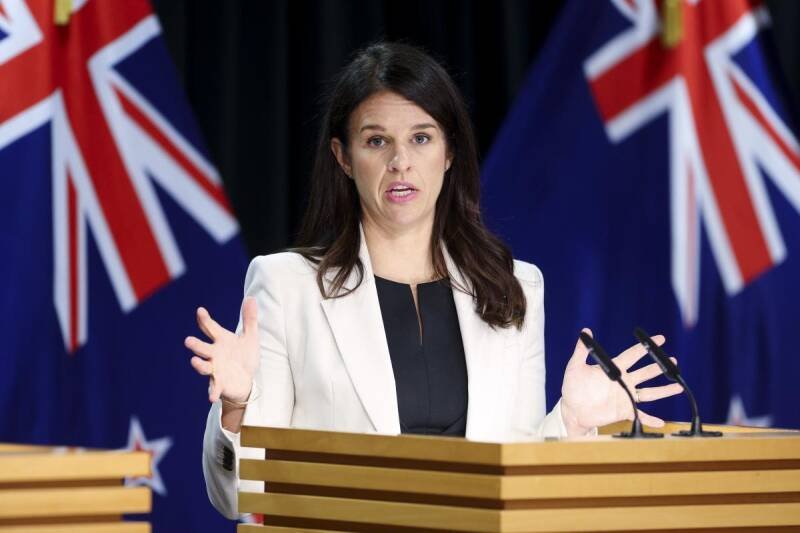
The curriculum covers all aspects of what students learn in schools, from core subjects like maths and English to other areas like science, history, and the arts. The government, led by Erica Stanford (Minister of Education) and David Seymour (Associate Minister of Education), is aiming to revise the current framework. The exact details of the changes are still unfolding, but the stated goal is to create a curriculum that is clearer, more focused, and more relevant to the needs of today's students.
One of the main points of contention is the level of consultation being undertaken. Concerns have been raised about whether teachers, parents, and other stakeholders are being adequately involved in the process. Some critics argue that the changes are being rushed through without sufficient input from those who will be directly affected. This raises questions about whether the new curriculum will truly reflect the needs and priorities of the education community.
The curriculum is the backbone of the education system. It dictates what our children learn and how they are taught. Changes to the curriculum can have a profound impact on their future opportunities and the direction of the nation. If the curriculum is poorly designed or implemented, it could lead to lower educational outcomes, reduced engagement with learning, and a generation of students who are not adequately prepared for the challenges of the 21st century.
In our opinion, a curriculum rewrite is a complex undertaking that requires careful planning and broad consultation. While there may be valid reasons to update and improve the existing curriculum, it's crucial to ensure that the changes are evidence-based and aligned with the needs of all students. The concerns raised about the level of consultation are legitimate and should be addressed. A more inclusive and transparent process would help build trust and ensure that the new curriculum is widely supported.
The focus on creating a clearer and more focused curriculum is positive. Clarity for teachers and students is paramount. We believe the government's intention to streamline the curriculum and reduce unnecessary complexity is a good starting point.
However, without sufficient buy-in from educators, any reform risks failure. A top-down approach, neglecting the experience of those on the front lines, can lead to resistance and ultimately undermine the effectiveness of the new curriculum.
The future of the curriculum rewrite remains uncertain. The government will need to address the concerns raised about consultation and engage more effectively with stakeholders. The success of the new curriculum will depend on several factors, including:
This could impact not only the education sector but also the wider economy and society. A well-designed curriculum can equip students with the skills and knowledge they need to succeed in a rapidly changing world. A poorly designed curriculum, on the other hand, could leave students ill-prepared for the challenges of the future. It is therefore essential that the government proceed with caution and ensure that the curriculum rewrite is done right.
Moving forward, transparency and open dialogue are key to ensure the best possible outcome for New Zealand's education system. The government needs to work collaboratively with all stakeholders to create a curriculum that empowers students and prepares them for success.
























