Nepal Government Cuts Fuel Allowances: Impact and Analysis
The Nepal government has slashed fuel benefits for officials. This article breaks down the changes, explains the impact, and offers an analysis of the future outlook.
Nepal Government Slashes Fuel Benefits to Officials
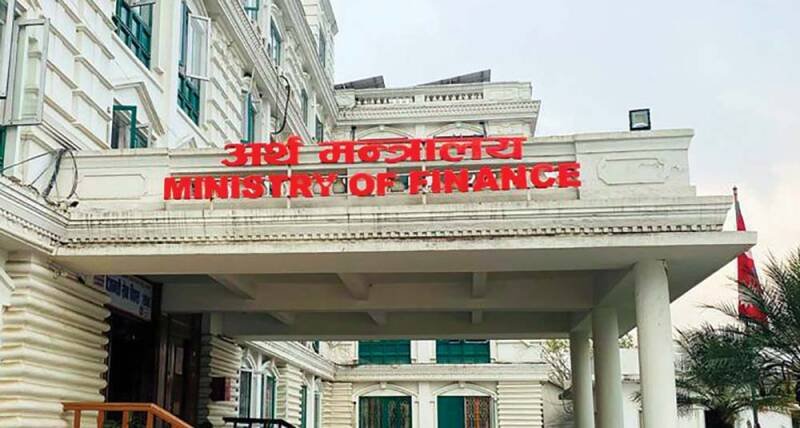
The Nepal government has announced a cut to fuel allowances for civil servants and public office holders. This move, revealed on April 7th, is aimed at reducing government spending and addressing budgetary concerns. But what does this mean in practical terms? Let's break it down.
What Changed?
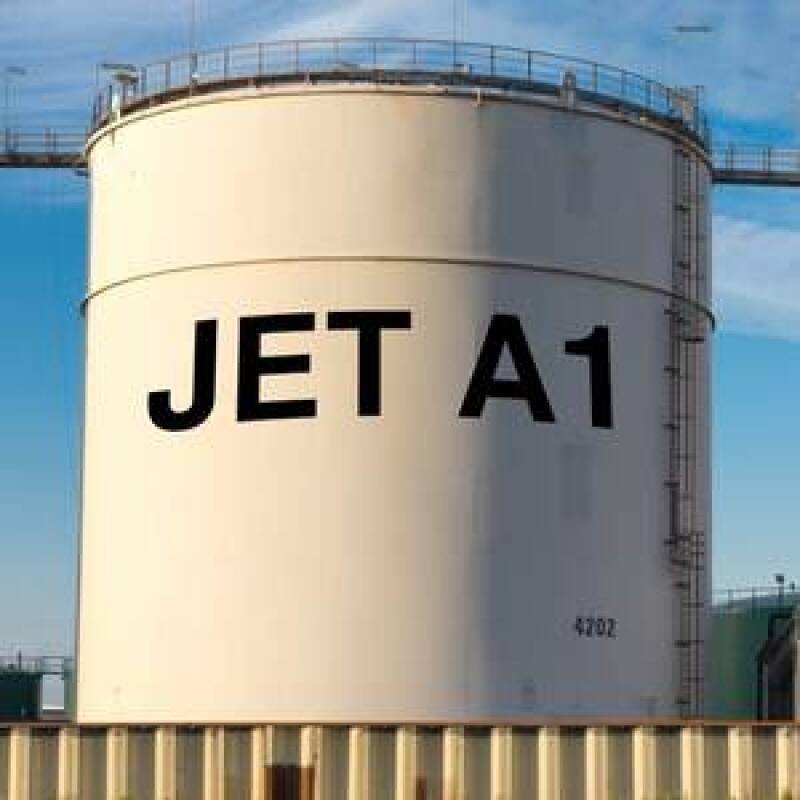
The specifics of the cuts haven't been fully detailed in the initial reports, but the core message is clear: government officials will receive less fuel as part of their benefits package. This includes civil servants and those holding public office. The exact percentage reduction or the new allocation system remains to be fully clarified.
Why is This Happening?
The government's reasoning is simple: cost-cutting. Nepal, like many countries, is facing economic pressures. Reducing fuel benefits is a direct way to lower operational expenses across various government departments. It also sends a signal of fiscal responsibility.
Why This News Matters
This decision isn't just about saving a few liters of fuel. It reflects a larger trend towards austerity and fiscal prudence. It signifies the government acknowledging economic constraints and taking steps, however small, to address them. This could set a precedent for other cost-cutting measures in the future. The impact on individual government employees might be minor, but the symbolic weight of this decision is substantial.
Potential Impacts
* **Reduced Government Spending:** The immediate impact is a reduction in fuel-related expenditures across government departments.
* **Shift in Resource Allocation:** The saved funds could be redirected to other critical sectors like healthcare, education, or infrastructure.
* **Increased Scrutiny of Government Spending:** This move will likely invite further scrutiny of government spending habits across all levels.
* **Potential for Employee Dissatisfaction:** Some government employees may be unhappy with the reduced benefits, especially if they rely heavily on these allowances for their daily commute or work-related travel.
Our Analysis
In our opinion, this is a welcome, albeit small, step towards fiscal responsibility. While the actual savings from reduced fuel allowances might not be enormous in the grand scheme of the national budget, the message it sends is important. It demonstrates a willingness to tackle spending issues. However, the government needs to ensure transparency in how these savings are reallocated and that these measures don't disproportionately affect lower-level employees. It's crucial that leadership takes the initiative, not just those further down the chain.
This could impact government employees by causing them to potentially use their salaries on the expenses the government previously covered. We hope that the government is transparent with how the money saved by cutting this fuel is reinvested in the country.
Future Outlook
The success of this measure will depend on several factors:
* **Effective Implementation:** The government needs to ensure that the reduced allowances are implemented efficiently and fairly across all departments.
* **Transparency:** Open communication about the savings generated and how they are being used is crucial for maintaining public trust.
* **Comprehensive Review:** This should be part of a broader review of government spending habits, identifying areas for further cost optimization.
Looking Ahead
This decision could be the start of a series of austerity measures. We might see further cuts to other benefits, reviews of existing programs, and efforts to improve efficiency across various government sectors. The future economic landscape of Nepal will depend on how effectively the government manages its resources and addresses its budgetary challenges. The coming months will be crucial to understanding the true impact and long-term implications of this decision.