Moose Encounter in the Adirondacks: What It Means for Wildlife and You
A rare moose encounter in the Adirondacks sparks important conversations about wildlife management, safety, and the future of moose populations in New York. Learn what happened and why it matters.
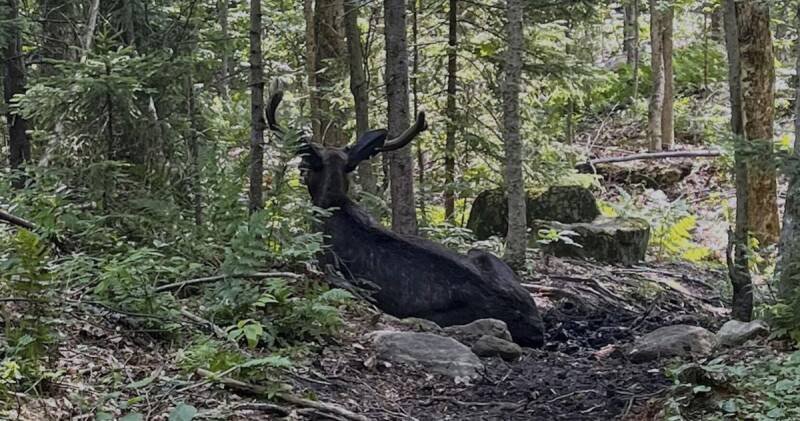
Moose Encounter on Goodman Mountain: A Rare Adirondack Event
Last summer, a rare and noteworthy incident occurred on Goodman Mountain in the Adirondacks involving a close encounter with a moose. While the specifics of the incident remain somewhat vague in initial reports, the New York State Department of Environmental Conservation (DEC) has revisited the event through a podcast, shedding light on the rarity of such interactions and the state's ongoing efforts to monitor the growing moose population.
Understanding the Adirondack Moose Population
The Adirondack region is home to a steadily increasing moose population. These majestic creatures are a relatively recent addition to the Adirondack ecosystem, with populations becoming more established over the past few decades. The DEC actively monitors these populations through various methods, including aerial surveys, tracking, and public reporting. This monitoring helps the DEC understand population size, distribution, and overall health.
Why This News Matters
This incident, though seemingly isolated, highlights a few critical points:
- Rarity of Human-Moose Conflict: The DEC emphasizes how uncommon it is for humans and moose to have conflict in the Adirondacks. This reinforces the idea that the Adirondacks are generally a safe place for outdoor recreation.
- Growing Moose Population: It underlines the success of conservation efforts in bringing moose back to the region. However, a growing population also means a higher chance, albeit small, of encountering one.
- Importance of Education: It underscores the need for continued public education on how to safely interact with wildlife, particularly large animals like moose. Understanding moose behavior can prevent unwanted encounters.
- Environmental Impact: The long-term impact of a growing moose population on the Adirondack ecosystem also becomes a factor in ongoing management and study.
Our Analysis
In our opinion, the DEC's approach to managing the moose population in the Adirondacks is commendable. Their commitment to monitoring and public education is crucial for ensuring both the safety of humans and the well-being of the moose population. However, this incident serves as a reminder that even in relatively controlled environments, unexpected encounters can happen.
It's important to remember that moose, while generally docile, are still wild animals. They can be unpredictable, especially if they feel threatened or are protecting their young. Maintaining a safe distance and understanding their behavior are key to preventing negative interactions. This could impact hiker behavior, encouraging greater awareness and caution while in moose habitat.
Safe Practices When Hiking in Moose Country
Here are some general guidelines for hiking in areas where moose are present:
- Be Aware of Your Surroundings: Pay attention to your surroundings and be mindful of signs of moose activity, such as tracks or droppings.
- Keep a Safe Distance: If you encounter a moose, maintain a safe distance. It's generally recommended to stay at least 25 meters (82 feet) away.
- Avoid Approaching Calves: Never approach a moose calf, as the mother will be extremely protective.
- Make Noise: Making noise while hiking can help alert moose to your presence and prevent them from being startled.
- Carry Bear Spray: Although designed for bears, bear spray can also be effective in deterring a moose attack.
Future Outlook
The future of the moose population in the Adirondacks appears promising, but ongoing monitoring and adaptive management are essential. As the population continues to grow, the DEC will likely need to refine its strategies to address potential challenges, such as increased human-wildlife interactions and the impact of climate change on moose habitat.
This could impact future regulations for hikers in the Adirondacks. Potentially, there could be required safety briefings for all hikers before they can enter remote areas.
Furthermore, continued research into moose behavior and habitat use will be crucial for informing management decisions. In our opinion, investing in research and education is the best way to ensure the long-term coexistence of humans and moose in the Adirondack region. This situation is a good reminder of the ongoing process of humans and wildlife sharing environments, and the necessary balance we must achieve to ensure a healthy future for both.