Minnesota Lynx Draft Strategy Under Scrutiny Despite Executive of the Year Award
Despite Cheryl Reeve's Executive of the Year awards, concerns are rising about the Minnesota Lynx's draft performance. Our analysis examines the team's recent draft history, its impact, and future prospects.
Minnesota Lynx's Draft Record Faces Scrutiny Despite Executive Accolades
Cheryl Reeve, the head coach and general manager of the Minnesota Lynx, recently secured her second WNBA Executive of the Year award (2019 and 2024). While this recognition underscores her success in team building and management, recent analysis brings the Lynx's draft strategy into sharper focus. While Reeve's moves outside the draft have proven fruitful, questions linger about the effectiveness of the Lynx's draft picks over the past seven years.
A Tale of Two Executive of the Year Awards
The interesting contrast lies in the reasons behind Reeve's two Executive of the Year awards. In 2019, her award was largely attributed to successful draft picks that bolstered the team's roster. However, the 2024 award seems to acknowledge her ability to acquire talent through trades and free agency, mitigating potential weaknesses in the team's recent draft history. This raises the question: has the Lynx's draft performance declined, and are they relying too heavily on avenues other than the draft for roster improvement?
Recent Draft History: A Closer Look
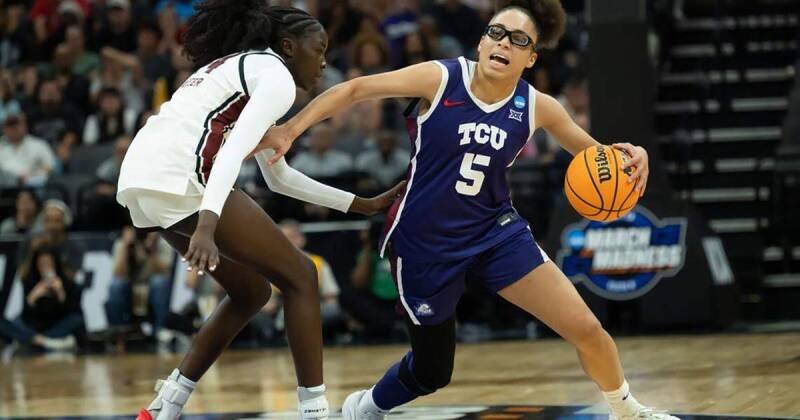
While the Lynx have remained competitive, the lack of significant contributions from recent draft classes raises concerns. A successful draft can provide cost-effective talent and long-term stability. A reliance on free agency and trades can be more expensive and less sustainable in the long run.
Why This News Matters
The WNBA draft is a crucial mechanism for team building. Identifying and developing young talent can significantly impact a team's competitiveness and future success. If the Lynx are struggling to find impactful players through the draft, it could hinder their ability to maintain their position as a top contender in the league. Moreover, a weak draft record may mean more reliance on trades and free agency, impacting the team's salary cap and overall financial health. In short, it matters for long-term sustainability.
Our Analysis
In our opinion, while Cheryl Reeve's leadership and strategic acquisitions deserve praise, the Lynx's draft performance warrants closer examination. The team's success in recent years may have masked potential shortcomings in player evaluation and development within their draft strategy. It's crucial to remember that sustained success in professional sports requires a multi-faceted approach, including a strong draft record. A team can’t buy championships every year. You need to find quality through the draft.
The reliance on veteran players and trades is a viable short-term strategy, but it's not a long-term solution. Developing young talent through the draft allows teams to build a foundation for future success while managing their salary cap effectively.
Future Outlook
Looking ahead, the Minnesota Lynx need to reassess their draft strategy and player development programs. This could involve:
- Improving their scouting network to identify promising talent early.
- Investing in player development resources to nurture young players' potential.
- Adjusting their draft philosophy to prioritize specific skills and attributes.
This could impact their ability to compete for championships in the coming years. The WNBA is becoming increasingly competitive, and teams with strong draft records will have a distinct advantage.
The Lynx must address their draft concerns to ensure their continued success and maintain their status as a perennial contender in the WNBA. Failure to do so could lead to a decline in performance and ultimately jeopardize their long-term future.