Malta Football Needs Homegrown Player Boost: Analysis and Future Outlook
Football coach Ramon Falzon argues Malta needs to protect and empower local football talent. We analyze the situation, its impact, and potential solutions.
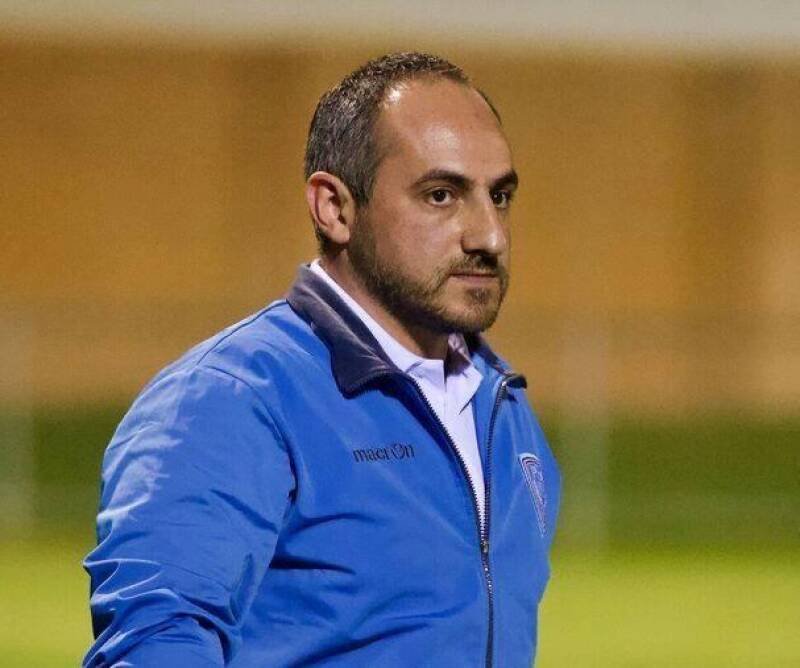



Football coach Ramon Falzon argues Malta needs to protect and empower local football talent. We analyze the situation, its impact, and potential solutions.
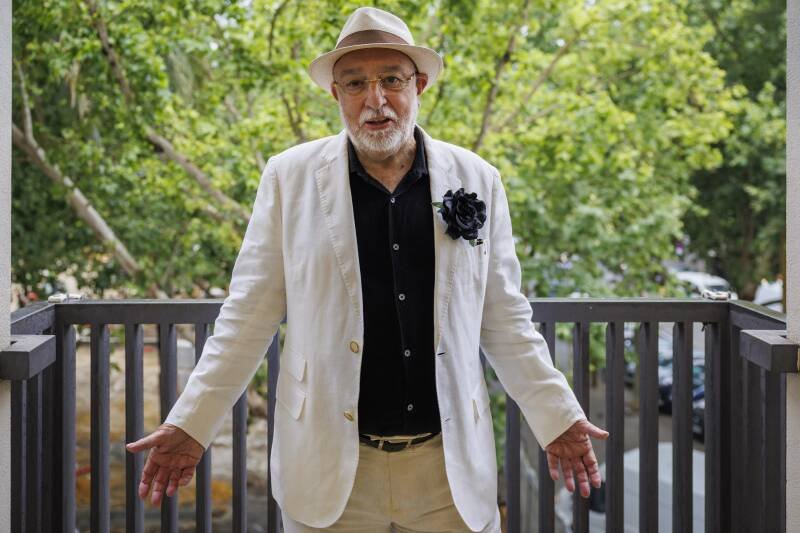
Maltese football finds itself at a critical juncture, and a prominent voice is calling for change. Football coach Ramon Falzon, recently returned from a successful stint in Australia, believes that Malta must prioritize its homegrown talent to elevate its national football standards.
Falzon argues that Malta's current system isn't adequately supporting local players. He suggests strengthening the homegrown player quota or, at the very least, commissioning a study to find the best way to empower Maltese footballers. His comments come after Malta's recent failure to gain promotion in the Nations League, highlighting the team's existing weaknesses.
Drawing from his experience in Australia, where he coached at various levels, including A-League youth teams and the Western Australian Men's State Team, Falzon points to Australia's deliberate strategy to prioritize its own players after the 2010 World Cup. This involved implementing quotas for foreign players in the National Premier Leagues (NPL) and mandating youth player inclusion.
Initially, Australia experienced a dip in the quality of play, but according to Falzon, this short-term pain was necessary for long-term gain. By investing in local talent, Australia saw its football standards rise and has qualified for every World Cup since 2006, even reaching the Round of 16 twice.
Australia even went as far as implementing a rule mandating that only Australian goalkeepers can play professionaly, a change Falzon admits is 'a bit extreme'. But this goes to show how far countries are willing to go to develop national talent.
In contrast to Australia's approach, Malta has recently eased restrictions on non-homegrown players. Premier League clubs can now field up to eight non-homegrown players at a time, with larger squad lists. While this may bring in experienced players and potentially improve club performance in the short term, Falzon fears it will hinder the development of Maltese talent.
The future of Maltese football hinges on developing its own players. Without a strong base of local talent, the national team will struggle to compete internationally. This impacts not only the team's performance but also national pride and the overall popularity of football in Malta.
The gap between Malta and more competitive nations like Australia is already significant. Falzon warns that without serious action, this gap will only widen, and Malta will continue to lag behind.
In our opinion, Falzon's concerns are valid. While bringing in foreign talent can raise the level of competition, it shouldn't come at the expense of local player development. A balanced approach is needed.
Malta's current ranking of 162nd in the world compared to Australia's 27th speaks volumes. While Falzon notes that raw talent at the youth level is comparable, the Maltese system isn't nurturing that talent effectively.
We believe the success of smaller nations like Iceland, which qualified for the 2018 World Cup, serves as an inspiration for Malta. It demonstrates that with the right focus and investment, a small island nation can achieve great things in football.
The Malta Football Association faces a critical decision. Will they prioritize short-term gains by continuing to rely on foreign players, or will they invest in a long-term strategy to develop local talent? We think there are signs the MFA are taking this issue seriously.
This could impact the way the team lines up on match days. More Maltese players in key positions can drastically change the mentality and approach to national fixtures. In our opinion it all starts from a mentality shift at the top.
Falzon's suggestions, such as improving the professionalism of training and ensuring proper equipment, are practical and achievable steps. Implementing quotas or commissioning a study to find the best approach could also prove beneficial.
Ultimately, the future of Maltese football depends on a collective effort from the MFA, clubs, coaches, and players to create a supportive environment for homegrown talent to thrive. It will take a long term commitment and likely some short-term sacrifice, but the rewards will be worth it.