Luxembourg Poverty Data: Housing Costs Hidden, Creating Misleading Picture
Luxembourg's poverty statistics don't include housing costs, potentially masking the true extent of financial hardship. We analyze the issue and its implications.



Luxembourg's poverty statistics don't include housing costs, potentially masking the true extent of financial hardship. We analyze the issue and its implications.
Luxembourg, often lauded for its high standard of living, may be masking a significant portion of its population struggling with poverty. The key issue? Current poverty statistics, both in Luxembourg and across the European Union, largely ignore housing-related expenses.
Official poverty rates are calculated based on income levels relative to the median income. Individuals or households falling below a certain threshold are classified as living in poverty. However, a critical flaw exists: these calculations frequently omit the substantial burden of housing costs – rent, mortgages, property taxes, and utilities.
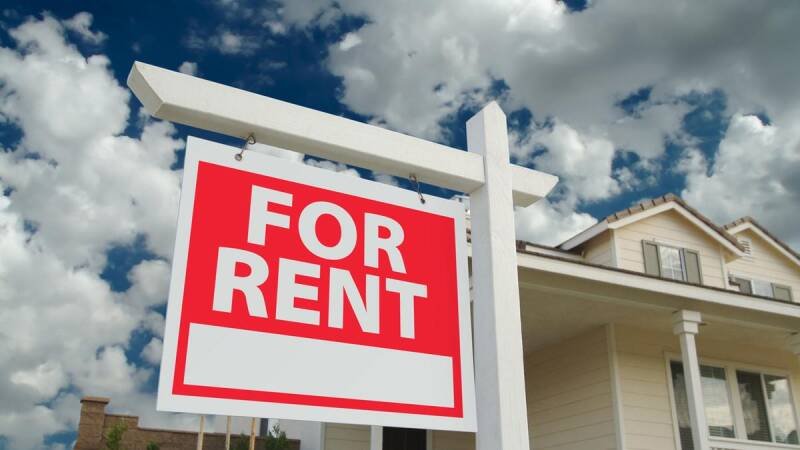
In a country like Luxembourg, where housing prices are notoriously high, this omission can paint a misleading picture. Someone might technically be above the poverty line based on their income, but still face severe financial hardship after paying for housing. Imagine a family earning slightly above the "poverty line," yet spending a disproportionate amount of their income on rent, leaving them with little for food, healthcare, or other essential needs. Are they truly not experiencing poverty?
The accuracy of poverty statistics is vital for effective social policy. If the data underestimates the problem, governments may fail to allocate sufficient resources to alleviate poverty and support vulnerable populations. This can lead to a cycle of inequality, impacting people's health, education, and overall well-being.
Furthermore, the omission of housing costs distorts our understanding of the true cost of living in Luxembourg. It creates an illusion of prosperity that doesn't reflect the realities faced by many residents, potentially hindering efforts to address the root causes of financial instability.
In our opinion, the current methodology for calculating poverty rates in Luxembourg is fundamentally flawed. By neglecting housing costs, it fails to capture a significant aspect of financial hardship. This leads to an underestimation of the problem and hinders the development of effective solutions.
Consider this: a single parent working a minimum wage job in Luxembourg likely spends a large portion of their income on rent, even in subsidized housing. While they may technically be above the poverty line, their disposable income after housing costs could be significantly lower than someone with the same income in a country with lower housing expenses. This disparity highlights the inadequacy of the current approach.
This could impact the allocation of social welfare funds. If the government believes poverty is less prevalent than it actually is, it may underfund programs designed to assist low-income families. This could exacerbate existing inequalities and create further hardship for those already struggling.
Moving forward, it is crucial to revise the methodology for calculating poverty rates to incorporate housing costs. This could involve developing a more comprehensive measure of poverty that considers both income and expenses, or adjusting existing thresholds to account for regional variations in housing affordability.
Here are some potential solutions:
Ultimately, a more accurate understanding of poverty is essential for creating a more equitable and just society in Luxembourg. By acknowledging the significant impact of housing costs on financial hardship, we can develop more effective policies to support vulnerable populations and promote economic opportunity for all.
We believe that acknowledging and addressing this issue is not just a matter of statistical accuracy, but a matter of social responsibility.