Life Aboard Orion: Space Plumbing, Tech Troubles, and the Future of Deep Space Travel
Get a glimpse inside the Orion capsule! Learn about the daily challenges astronauts face on deep space missions, including tech issues, waste management, and what this means for the future of space exploration.
Life Aboard Orion: Space Plumbing, Tech Troubles, and the Future of Deep Space Travel
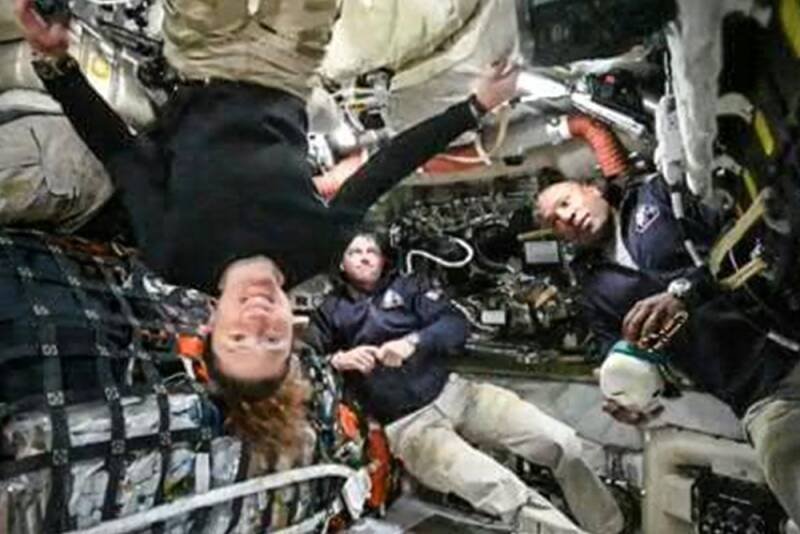
Ever wondered what it's really like to live and work in space, far from Earth? A recent glimpse inside the Orion capsule, the spacecraft designed to take astronauts back to the Moon and beyond, reveals a mix of the mundane and the extraordinary. It's not all glamorous moonwalks and scientific discoveries. There's also space plumbing, tech glitches, and the challenges of daily life in zero gravity.
What's Happening Inside Orion?
Imagine your office is a high-tech tin can hurtling through space. According to recent reports, astronauts aboard Orion are facing everyday problems that may seem surprisingly familiar. They're dealing with:
- Waste Management: Space plumbing isn't as simple as it sounds! Maintaining a functional waste disposal system in zero gravity requires innovative engineering and constant vigilance.
- Tech Troubles: Crashed email, buggy software, and the frustration of troubleshooting complex systems are all part of the job. Even in space, technology can be temperamental.
- Daily Life Challenges: From sipping smoothies in specially designed pouches to taking photos of the Earth with their phones, astronauts are adapting to the unique demands of living in a confined space.
Why This News Matters
Understanding the challenges of daily life in space is crucial for the success of future deep space missions. Orion isn't just a spacecraft; it's a laboratory for learning how to sustain human life far from our home planet. The issues they face directly inform the design and operation of future spacecraft and habitats, making them more reliable, comfortable, and efficient.
Consider the logistical implications. Every piece of equipment, every meal, every drop of water has to be carefully planned and accounted for. Unexpected technical glitches can quickly become serious problems when you're millions of miles from Earth. The ability to adapt, troubleshoot, and maintain systems in space is paramount.
Our Analysis
In our opinion, this news highlights the often-overlooked human element of space exploration. We tend to focus on the scientific breakthroughs and technological marvels, but the success of these missions ultimately depends on the ability of astronauts to live and work effectively in a challenging environment.
The fact that astronauts are dealing with issues like crashed email, while perhaps humorous, underscores the importance of robust and reliable technology. Redundancy, thorough testing, and user-friendly interfaces are essential for ensuring that astronauts can focus on their primary tasks without being bogged down by technical problems.
The challenges of space plumbing should not be underestimated. Waste management is a critical aspect of long-duration space missions, and failures in this area can have significant health and safety consequences. Developing efficient and reliable waste disposal systems is a high priority for future space exploration efforts.
Future Outlook
This news provides valuable insights for future Artemis missions and beyond. The lessons learned from Orion's current operations will directly inform the design and development of future spacecraft, habitats, and life support systems.
This could impact the direction of research and development efforts, with a greater focus on reliability, maintainability, and user-friendliness. We anticipate seeing innovations in areas such as:
- Advanced life support systems: More efficient and reliable waste management, water recycling, and air purification technologies.
- Robust and user-friendly technology: Systems that are designed to be easily repaired and maintained in space, with intuitive interfaces and redundant backups.
- Enhanced astronaut training: Preparing astronauts for the psychological and physical challenges of long-duration space missions.
Ultimately, the success of deep space exploration depends on our ability to address the everyday challenges of living and working in space. By learning from the experiences of astronauts aboard Orion, we can pave the way for a future where humanity can thrive among the stars.