Hydrangea Pruning Guide: Get More Blooms This Spring
Learn how to prune your hydrangeas in April for bigger, brighter blooms and healthier growth. Expert tips and a step-by-step guide included.
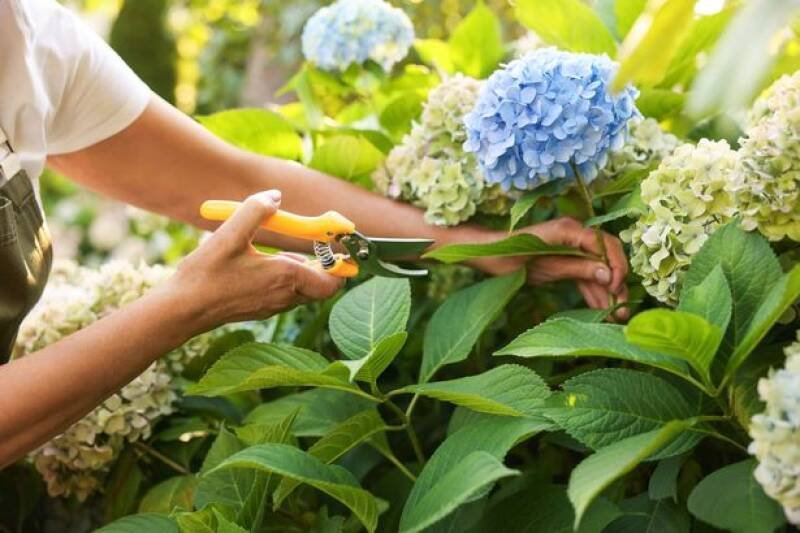



Learn how to prune your hydrangeas in April for bigger, brighter blooms and healthier growth. Expert tips and a step-by-step guide included.
Spring is in the air, and for gardeners, that means it's time to start thinking about pruning. One of the most common questions we get is about hydrangeas: "How do I prune my hydrangeas in April for the best flowers?" The answer depends on the type of hydrangea you have. Not all hydrangeas are created equal, and pruning them incorrectly can actually reduce the number of flowers you see.
The key to successful hydrangea pruning lies in identifying the variety you have. There are two main types of hydrangeas that are relevant for April pruning: Bigleaf hydrangeas (Hydrangea macrophylla) and Panicle hydrangeas (Hydrangea paniculata).
Knowing this difference is critical. Pruning a Bigleaf hydrangea at the wrong time can remove the flower buds, resulting in no blooms that year. Panicle hydrangeas, on the other hand, can be pruned more freely in the spring.
For Bigleaf hydrangeas, less is more. The goal is to remove any dead or damaged wood and lightly shape the plant. Avoid heavy pruning, as this will remove the flower buds.
Panicle hydrangeas can be pruned more aggressively than Bigleaf hydrangeas. In fact, pruning them back hard in the spring will encourage vigorous new growth and larger flower heads.
Understanding proper hydrangea pruning techniques is essential for any gardener who wants to enjoy beautiful blooms year after year. Incorrect pruning can lead to fewer flowers, weaker plants, and even disease. By following these guidelines, you can ensure that your hydrangeas thrive and provide a stunning display of color in your garden.
The distinction between old wood and new wood blooming hydrangeas is paramount for successful pruning. Many novice gardeners prune all hydrangeas the same way, which often leads to disappointment when their Bigleaf hydrangeas don't bloom. In our opinion, clear communication about these different types and their pruning needs is vital.
Furthermore, the article highlights the importance of understanding plant-specific requirements. General gardening advice is often insufficient, and knowing the specific needs of your plants is crucial for their health and well-being. This could impact the way gardeners approach plant care, encouraging them to research and understand the individual needs of each plant in their garden.
As gardening becomes increasingly popular, access to accurate and easily digestible information about plant care will be more important than ever. We anticipate seeing more resources dedicated to helping gardeners understand the specific needs of different plant varieties. This trend will likely lead to healthier, more vibrant gardens and a greater appreciation for the diversity of the plant kingdom.
The future of hydrangea pruning may also involve the development of new pruning techniques or tools that make the process easier and more efficient. We may also see the introduction of new hydrangea varieties that are more tolerant of pruning mistakes or require less pruning altogether.