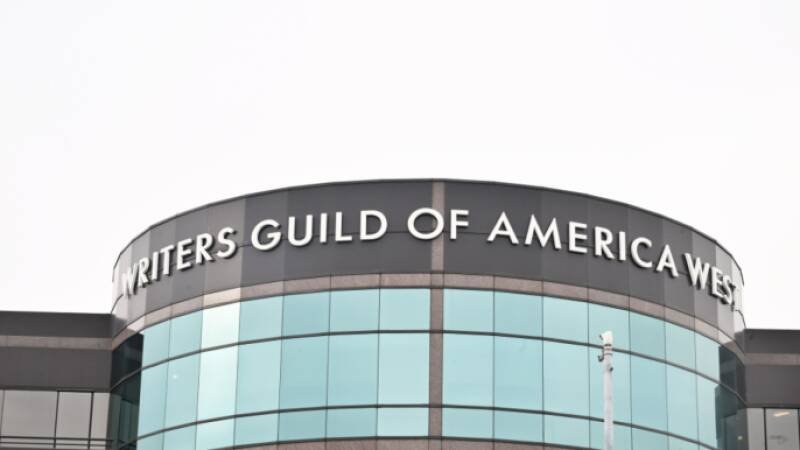
Hollywood Avoids Strike: Writers and Studios Reach Deal
The Writers Guild of America (WGA) and Hollywood studios avert a strike with a new contract agreement. Learn why this matters, our analysis, and the future outlook for the entertainment industry.
Hollywood Avoids Strike: Writers and Studios Reach Landmark Deal
Good news for TV and movie fans! Hollywood has dodged a major bullet. The Writers Guild of America (WGA), representing screenwriters, and the Alliance of Motion Picture and Television Producers (AMPTP), which represents major studios like Disney, Netflix, and Warner Bros., have reached a tentative agreement on a new contract.
This crucial deal was finalized on Saturday, well before the previous contract was set to expire on May 1st. This averts what could have been a crippling strike that would have ground film and television production to a halt.
Four-Year Agreement: A Significant Shift
Interestingly, this isn't your typical Hollywood contract. The new "Minimum Basic Agreement" (MBA) will last for four years, breaking away from the usual three-year arrangement. This extended period suggests both sides are aiming for greater stability in a rapidly changing industry.
Why This News Matters
A strike would have had a devastating impact on the entertainment industry and beyond. Think about it: no new episodes of your favorite shows, delays in movie releases, and thousands of people – from actors and crew to caterers and security – out of work. This agreement prevents all of that.
Beyond the immediate impact, this deal signifies a recognition of the evolving landscape of entertainment, with streaming services playing an increasingly dominant role. It's a sign that studios and writers are willing to negotiate and adapt to the new realities of the industry.
Our Analysis
In our opinion, this agreement represents a victory for both sides. The WGA likely secured important concessions for its members, perhaps regarding pay, working conditions, or the increasingly important issue of residuals from streaming platforms. The AMPTP, on the other hand, gains labor peace and avoids the disruption and financial losses that a strike would inevitably bring.
The fact that the agreement extends for four years suggests a willingness on both sides to avoid constant renegotiation and create a more predictable environment. This longer timeframe could allow the industry to focus on innovation and growth rather than being constantly preoccupied with labor disputes.
However, the details of the agreement remain undisclosed, and the WGA membership still needs to ratify the deal. There's always a chance that members will reject the proposed contract, but given the significant progress made, that seems unlikely. While details are pending, it is likely that a better structure for writers is coming. In our opinion, this is a good sign for the industry.
Future Outlook
The entertainment industry is undergoing a seismic shift, driven by the rise of streaming services and changing consumer habits. This new agreement sets the stage for how writers will be compensated and treated in this evolving environment.
This could impact future negotiations with other Hollywood unions, such as the Screen Actors Guild (SAG-AFTRA) and the Directors Guild of America (DGA). A successful agreement between the WGA and AMPTP could serve as a model for future labor negotiations in the industry.
Looking ahead, it will be interesting to see how the four-year term of this agreement plays out. Will it foster greater stability and allow the industry to thrive, or will unforeseen challenges emerge that require further negotiation? Only time will tell.
For now, however, Hollywood can breathe a sigh of relief. The show will go on, thanks to this crucial agreement between writers and studios.