Deerness Couple Rescues Battery Hens: Why It Matters for Animal Welfare
A couple in Deerness, Scotland, rescues ex-battery hens. Explore the significance of this act for animal welfare, ethical farming, and the future of hen rescue operations.



A couple in Deerness, Scotland, rescues ex-battery hens. Explore the significance of this act for animal welfare, ethical farming, and the future of hen rescue operations.
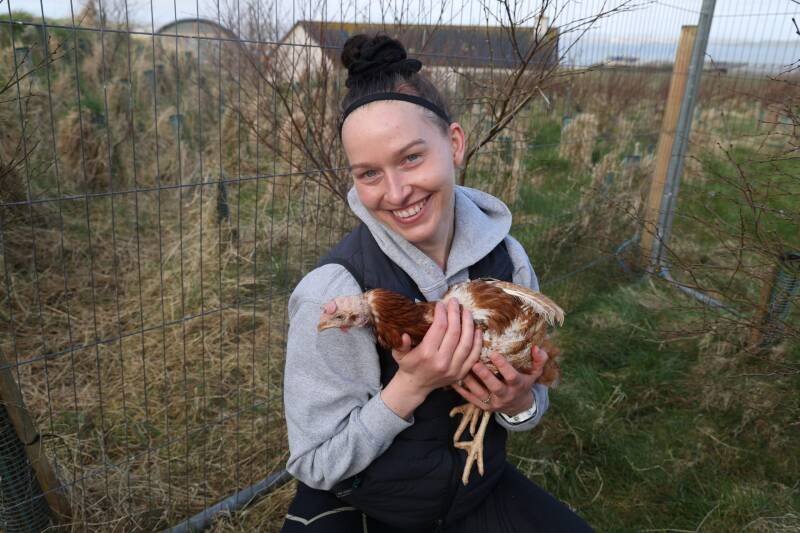
Erika and Malcolm Marwick, a compassionate couple from Deerness, Scotland, have recently stepped up to answer a nationwide call for help. Their mission? To rehome ex-battery hens, giving them a new lease on life after a challenging start.
Inspired by a plea from the British Hen Welfare Trust (BHWT), Erika and Malcolm welcomed a dozen hens into their home on Sunday, transporting them from Inverness. The BHWT plays a vital role in rehoming approximately 60,000 hens annually. These hens have reached the end of their commercial egg-laying life and are often in desperate need of care and a more humane environment.
Battery hens are chickens raised in intensive farming systems, primarily for egg production. They are typically confined to small cages with limited space for movement, leading to significant stress and health problems. These conditions are often criticised for their ethical implications and detrimental effects on the hens' well-being.
This seemingly small act of kindness by the Marwicks highlights a much larger issue: the welfare of animals in commercial farming. The rescue and rehoming of battery hens bring attention to the conditions these animals endure and promote more ethical farming practices.
Supporting organizations like the British Hen Welfare Trust directly impacts the lives of thousands of hens, offering them a chance to experience a more natural and comfortable existence. It also encourages consumers to consider the source of their eggs and potentially opt for free-range or organic alternatives.
The Marwicks' actions represent a growing awareness of animal welfare concerns. In our opinion, this is a positive trend reflecting increased societal empathy and a desire for more sustainable and ethical food production.
The British Hen Welfare Trust's efforts are crucial in bridging the gap between commercial farming and animal welfare. Their dedication to rehoming hens provides a tangible solution to the challenges faced by these animals after their commercial usefulness has ended.
This story reminds us that individual actions can contribute significantly to a larger movement. By rehoming even a small number of hens, the Marwicks have made a real difference in the lives of those animals. This could impact others to follow suit.
The future of hen welfare depends on continued efforts from individuals, organizations, and governments. Increased consumer awareness, coupled with stricter regulations on farming practices, can lead to a more humane and sustainable egg industry.
In our opinion, the story of the Deerness couple serves as an inspiring example of how compassion and action can improve the lives of animals and promote a more ethical approach to food production. The hope is that this story motivates others to get involved and contribute to a brighter future for battery hens and all animals raised for food.