Haiti Fuel Crisis: Rising Prices Trigger Food Shortages and Desperation
Rising fuel prices in Haiti are exacerbating food shortages, pushing families to the brink of survival. Explore the crisis, its causes, and potential solutions.
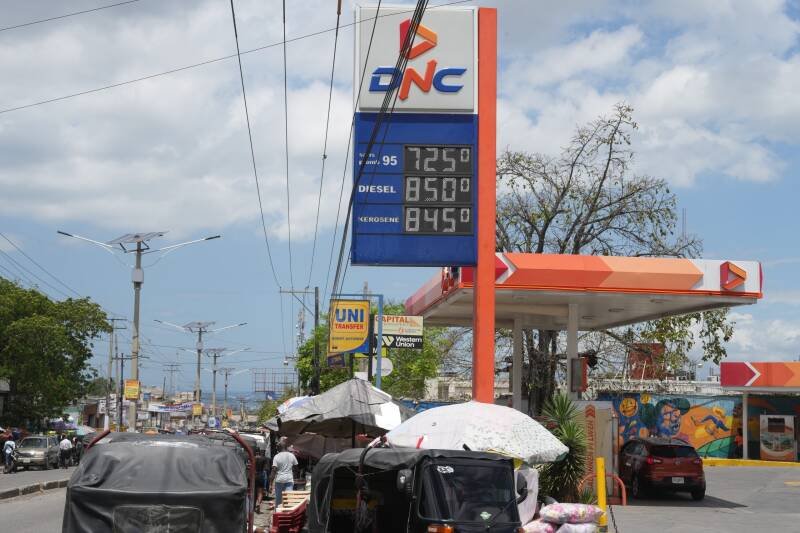



Rising fuel prices in Haiti are exacerbating food shortages, pushing families to the brink of survival. Explore the crisis, its causes, and potential solutions.
Haiti is grappling with a deepening humanitarian crisis as rising global oil prices translate to soaring fuel costs within the country. This surge in fuel prices is having a devastating impact, particularly on food security, forcing Haitian families to make impossible choices about how to survive.
The immediate consequence of higher fuel prices is increased transportation costs. Haiti relies heavily on imports, and transporting goods, including food, becomes significantly more expensive when fuel prices spike. This cost is then passed down to consumers, driving up the prices of basic necessities.
Food prices, already high due to various factors like political instability and gang violence disrupting supply chains, are becoming increasingly unaffordable for many Haitians. Families are being forced to cut back on already scarce food supplies, facing the grim reality of hunger and malnutrition.
This isn't just about numbers on a price tag. This is about real people struggling to feed their families. The crisis in Haiti highlights the vulnerability of nations heavily reliant on imported fuel, especially when global oil prices fluctuate. It also underscores the critical link between energy prices and food security.
The situation in Haiti should serve as a stark reminder to the international community about the urgent need for sustainable solutions. This includes investments in renewable energy sources and support for local food production, reducing dependence on volatile global markets.
In our opinion, the situation in Haiti is a confluence of multiple factors. While rising global oil prices are a major catalyst, underlying issues such as political instability, corruption, and inadequate infrastructure are exacerbating the crisis. The lack of a stable government and effective governance hinders the implementation of policies that could mitigate the impact of rising fuel costs.
We believe that a multi-pronged approach is needed to address this crisis. This should include immediate humanitarian aid to provide food and essential supplies, as well as long-term solutions to address the root causes of the problem. Support for local farmers and investment in renewable energy are crucial for building resilience and ensuring food security.
The future outlook for Haiti remains uncertain. If global oil prices continue to rise, or if political instability persists, the humanitarian crisis could worsen. This could lead to increased social unrest and further displacement of people.
However, there is also potential for positive change. Increased international attention and support could help to stabilize the situation and pave the way for long-term solutions. The development of sustainable energy sources and the strengthening of local food production could reduce Haiti's vulnerability to external shocks.
This could impact neighboring countries, as potential refugee flows could increase, adding stress to those nations. Investment in Haiti is not only ethically sound, but in our opinion, geopolitically wise.
Ultimately, the people of Haiti deserve a chance at a better future. Addressing the current crisis requires a collective effort from the international community, the Haitian government, and local communities.