Fuel Levy Cuts: Will Government Act Amidst Rising Prices?
Unions and farmers are demanding fuel levy cuts as prices surge, threatening jobs and food supply. Will the government listen? Get expert analysis and future outlook.



Unions and farmers are demanding fuel levy cuts as prices surge, threatening jobs and food supply. Will the government listen? Get expert analysis and future outlook.
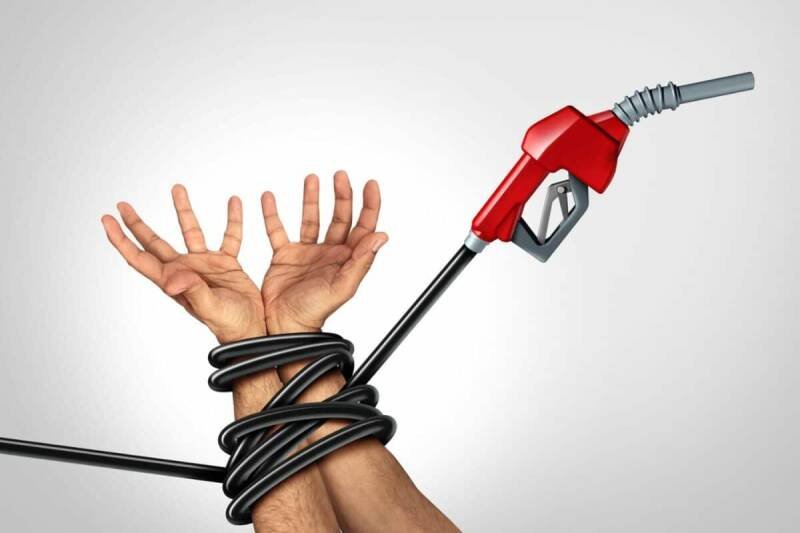
Across the country, unions and farmers are getting louder, demanding government action to ease the pain at the pump. The core of their argument? Cutting fuel levies, also known as fuel taxes, to provide immediate relief as rising fuel prices and potential shortages threaten jobs, food supplies, and overall economic stability.
Fuel prices have been steadily climbing for months, driven by a complex mix of factors including global supply chain disruptions, geopolitical tensions, and increased demand as economies recover from the pandemic. For everyday drivers, filling up the tank has become significantly more expensive. But the impact goes far beyond individual consumers.
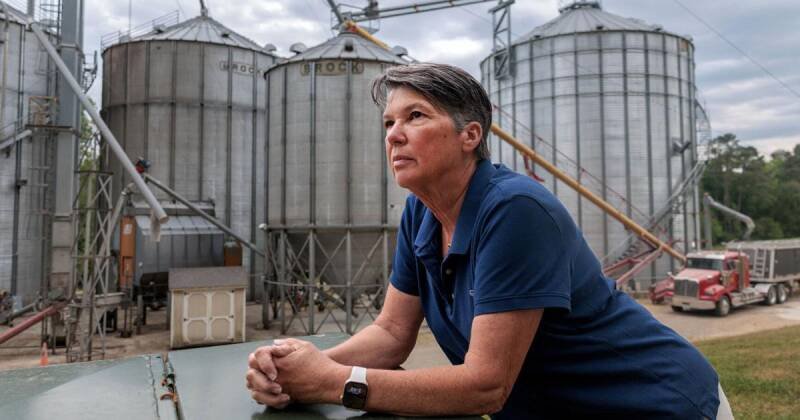
Farmers, who rely heavily on fuel for planting, harvesting, and transporting their goods, are facing increased operating costs. This, in turn, can lead to higher food prices for consumers. Transport and logistics companies are similarly affected, potentially driving up the cost of everything from groceries to manufactured goods.
Unions argue that the rising cost of fuel is putting pressure on wages, as workers struggle to afford commuting costs. They fear job losses if businesses are unable to absorb the higher transportation expenses. The combination of these factors paints a worrying picture for the broader economy.
This issue directly impacts everyone. Higher fuel prices translate into higher costs for almost everything we buy. If farmers and transport companies are struggling, those costs will inevitably be passed on to consumers in the form of inflated prices at the grocery store and for other essential goods. Furthermore, rising fuel prices can exacerbate existing inflationary pressures and potentially slow down economic growth. The demands from unions and farmers highlight a growing concern that the current situation is unsustainable.
The call for fuel levy cuts is a complex issue with potentially significant consequences. While cutting levies might offer immediate relief to consumers and businesses, it also means less revenue for the government, which could impact public services like road maintenance and infrastructure projects. Governments often use fuel levies to fund transportation infrastructure and other essential services, so any reduction needs careful consideration.
In our opinion, a targeted approach might be more effective than a blanket cut. For example, the government could consider providing temporary relief specifically to farmers or transport companies to mitigate the most severe impacts on food prices and supply chains. This would require careful monitoring and robust mechanisms to prevent abuse, but it could be a more sustainable solution in the long run.
It's also worth noting that fuel levies are often justified as a way to discourage fuel consumption and promote more sustainable transportation options. Cutting levies could potentially undermine these efforts, which are important for addressing climate change.
The government faces a difficult balancing act. On one hand, they need to address the immediate concerns about rising fuel prices and their impact on the economy. On the other hand, they need to consider the long-term implications of their decisions and ensure the sustainability of public finances and environmental policies.
We believe that the future will likely involve a combination of measures. While immediate fuel levy cuts might be considered, governments are also likely to explore other options, such as providing targeted support to specific industries, investing in alternative transportation infrastructure, and promoting energy efficiency measures. This could impact the speed of transition to more sustainable energy sources.
Ultimately, the government's response will depend on a complex interplay of political, economic, and social factors. The pressure from unions and farmers is likely to increase in the coming weeks, putting further pressure on the government to act. We will continue to monitor this situation closely and provide updates as developments unfold.