Fish Toxin Research Could Unlock New Disease Cures: Otago University Study
University of Otago researchers are exploring fish toxins for potential medical applications. This study, funded by a $2 million grant, could lead to breakthroughs in disease treatment.
Fish Toxins: A Surprising Path to New Cures?
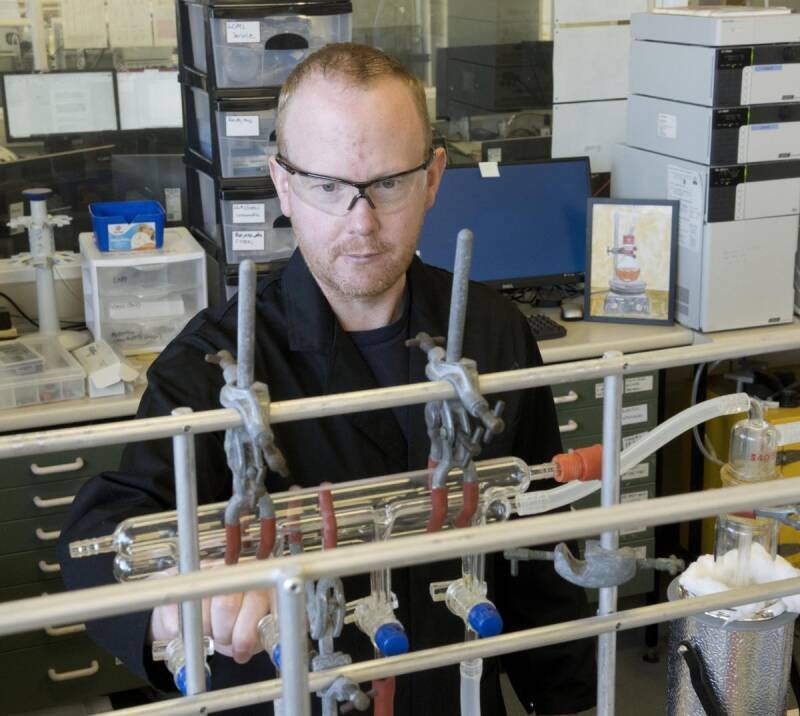
Imagine a world where deadly fish toxins are harnessed to fight diseases. That's the ambitious goal of Dr. Nicholas Green, a chemistry researcher at the University of Otago in New Zealand. He's received a substantial $2 million research grant from the prestigious Human Frontier Science Program to delve into the secrets hidden within these marine compounds.
While fish are celebrated for their nutritional value – think of all that omega-3 goodness for your heart and brain! – they can also harbor potent toxins. Dr. Green's research aims to understand these toxins at a molecular level, potentially unlocking their therapeutic potential. This isn't about making people sick, but rather about identifying how these complex molecules interact with the body and whether they can be repurposed for good.
The Power of Marine Pharmacology
The field of marine pharmacology, which explores the medicinal potential of substances found in the ocean, is burgeoning. Many existing drugs are derived from natural sources, and the ocean represents a vast, largely untapped resource of novel compounds. These compounds often have unique structures and mechanisms of action, making them potentially valuable for treating diseases that are resistant to conventional therapies.
Think about it: marine organisms have evolved remarkable defense mechanisms in harsh and competitive environments. These mechanisms often involve the production of potent toxins. Understanding how these toxins work could provide valuable insights for drug development. The trick is to isolate and modify these compounds to make them safe and effective for human use.
Why This News Matters
This research has the potential to significantly impact the field of medicine. If Dr. Green's team is successful, they could identify new drug candidates for a range of diseases, including cancer, neurological disorders, and infectious diseases. New drugs are always needed as resistance grows to existing treatment methods.
Furthermore, this project highlights the importance of investing in fundamental research. By supporting scientists like Dr. Green, we increase the likelihood of discovering groundbreaking medical breakthroughs. You never know where the next wonder drug will come from.
Our Analysis
In our opinion, this research is a high-risk, high-reward endeavor. Uncovering the secrets of fish toxins is a challenging task, but the potential payoff is enormous. The Human Frontier Science Program is known for supporting cutting-edge research with the potential for transformative impact, so the fact that they chose to fund this project speaks volumes about its scientific merit.
The key to success will be Dr. Green's team's ability to isolate, characterize, and modify these toxins in a way that makes them safe and effective for therapeutic use. This will require a multidisciplinary approach, combining expertise in chemistry, biology, and pharmacology. There are inherent dangers with research with toxins; however, the University of Otago has the facilities and resources to work with these substances safely and effectively.
Future Outlook
The next few years will be crucial for Dr. Green's research. The team will likely focus on identifying and isolating specific toxins from different fish species, then investigating their biological activity. They will also need to develop methods for synthesizing these compounds in the lab, which will be essential for large-scale production if they prove to be promising drug candidates.
This could impact the development of new therapies and contribute to a better understanding of the complex interplay between humans and the natural world. We eagerly await future updates on this exciting project and hope that it leads to new breakthroughs in the fight against disease.
- Short-Term: Identification and characterization of key fish toxins.
- Mid-Term: Investigation of their biological activity and potential therapeutic applications.
- Long-Term: Development of new drugs based on fish toxins.