Faith Revival: Why Young People Are Returning to Religion
Explore the recent rise in faith among young people, driven by a search for community, meaning, and purpose. Understand the implications for society and religious institutions.
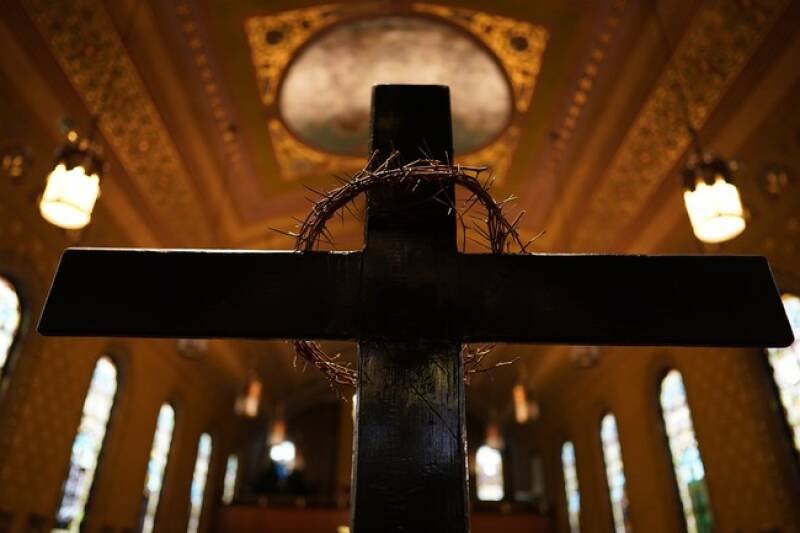



Explore the recent rise in faith among young people, driven by a search for community, meaning, and purpose. Understand the implications for society and religious institutions.
Reports indicate a growing trend: more young people are finding solace and community in faith. Last September, Pastor Jason Howard of the Sanctuary Church in Pittsburgh experienced firsthand this surge in interest. This increase challenges common assumptions about the decline of religion in younger generations.
Several factors contribute to this shift. Many young people feel disconnected and are actively seeking a sense of belonging. Traditional institutions are being re-evaluated, and for some, faith provides a structured framework for meaning and purpose.
The COVID-19 pandemic undoubtedly amplified these feelings of isolation. Lockdowns and social distancing measures led many to reflect on their values and search for deeper connections. Religious communities offered a lifeline during these challenging times, providing support networks and a sense of normalcy.
Furthermore, increased awareness of mental health issues is driving young people to explore different coping mechanisms. Faith can offer a sense of hope and peace, acting as a buffer against anxiety and stress.
The resurgence of faith among young people has significant implications for society. It could lead to renewed engagement in social issues, increased charitable giving, and a stronger sense of community. Understanding this trend is crucial for policymakers, community leaders, and religious organizations alike.
For religious institutions, this trend presents an opportunity to adapt and better serve the needs of young people. Modernizing outreach efforts and creating more inclusive environments are essential for attracting and retaining these new members.
In our opinion, this renewed interest in faith is not necessarily a rejection of modernity but rather a search for something deeper. Young people are not simply accepting traditional doctrines at face value. Instead, they are actively engaging with their faith, questioning its relevance, and seeking ways to apply its principles to their lives.
We believe that the authenticity and transparency of religious leaders and communities are paramount. Young people are drawn to those who are genuine, compassionate, and willing to address difficult questions.
Social media platforms also play a significant role. While they can contribute to feelings of isolation and anxiety, they can also be powerful tools for connecting with religious communities. Many churches and religious organizations are using social media to reach a wider audience and provide online resources.
The long-term impact of this trend remains to be seen. However, it's clear that faith is not disappearing from the lives of young people. This could impact volunteerism, community engagement, and even political discourse. We anticipate that religious communities will continue to evolve and adapt to meet the needs of this generation.
It's crucial for religious leaders to listen to and understand the concerns of young people. Creating spaces where they feel safe to ask questions, express doubts, and explore their faith is essential for fostering a lasting connection. This could also mean re-evaluating some traditional approaches and adopting new methods that resonate with younger audiences.
In the coming years, we expect to see more young people taking on leadership roles within their religious communities. Their fresh perspectives and innovative ideas could help shape the future of faith in profound ways.
Ultimately, the resurgence of faith among young people offers a glimmer of hope in a world that often feels uncertain and disconnected. It underscores the enduring human need for meaning, purpose, and connection.