Divine Mercy Sunday: A Guide to Understanding its Significance
Explore Divine Mercy Sunday's meaning, origin, and relevance. Learn about its focus on forgiveness, renewal, and hope in the Catholic tradition.



Explore Divine Mercy Sunday's meaning, origin, and relevance. Learn about its focus on forgiveness, renewal, and hope in the Catholic tradition.
Divine Mercy Sunday, celebrated the Sunday after Easter, is a significant day in the Catholic calendar. It's a time dedicated to reflection on God's boundless mercy and the opportunity for spiritual renewal. In many Croatian communities, it's also known as "Mali Uskrs" (Little Easter) or "Bijela Nedjelja" (White Sunday).
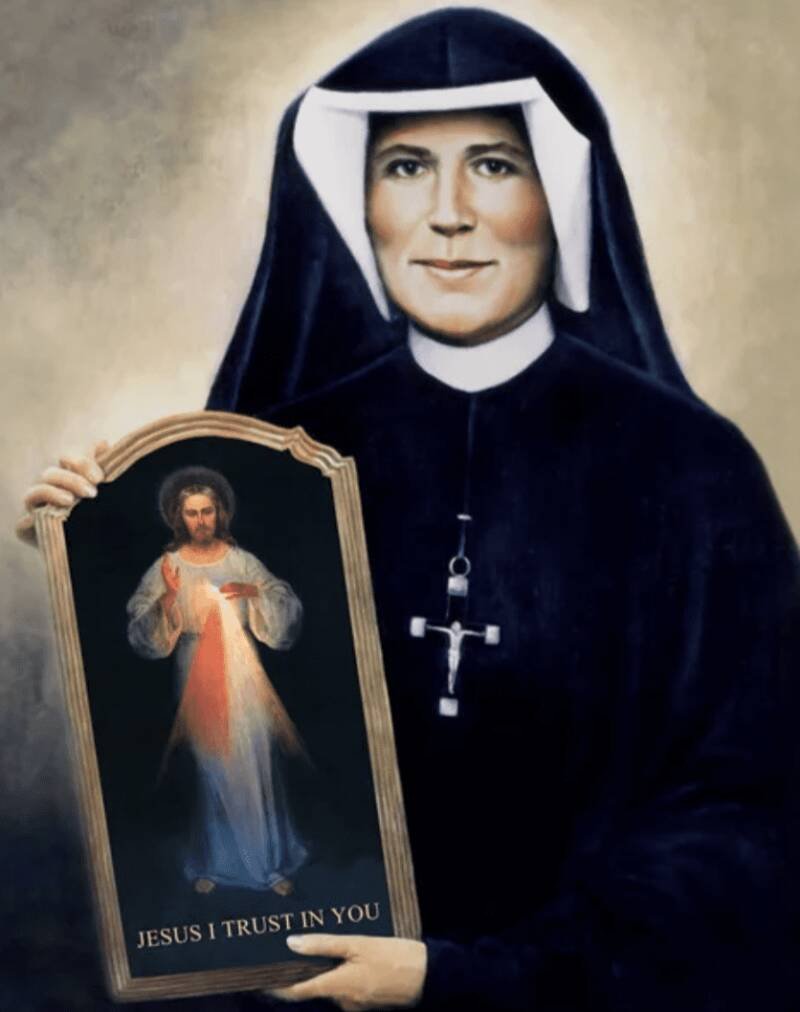
This special day focuses on the message of Divine Mercy, as revealed to Saint Faustina Kowalska, a Polish nun, in the 1930s. She received visions and messages from Jesus Christ emphasizing his desire to pour out his mercy upon the world. These messages highlight God's forgiveness and compassion for even the greatest sinners, and the importance of trusting in His love.
The Feast of Divine Mercy was officially established by Pope John Paul II in 2000, solidifying its place within the Catholic Church. It's a powerful reminder that God's mercy is available to all who seek it with a sincere heart.
In Croatia, Divine Mercy Sunday holds a special cultural significance. The names "Mali Uskrs" (Little Easter) and "Bijela Nedjelja" (White Sunday) reflect its position as a follow-up celebration to Easter Sunday. The term "White Sunday" may allude to the white garments traditionally worn by newly baptized Christians during the Easter season, symbolizing purity and new life.
Understanding Divine Mercy Sunday is crucial for anyone interested in the Catholic faith and its rich traditions. It offers a message of hope and forgiveness in a world often marked by conflict and hardship. By embracing the concept of Divine Mercy, individuals can find solace, strength, and a renewed sense of purpose. The Croatian tradition adds another layer of cultural understanding to this important religious observance.
In our opinion, Divine Mercy Sunday provides a profound message of hope and redemption that resonates far beyond the Catholic Church. The emphasis on forgiveness and compassion is a universal value that can contribute to healing and reconciliation in communities and relationships. The specific celebration and names within the Croatian community showcase how faith and culture often intertwine to create unique traditions.
It's important to note that while the core message of Divine Mercy is consistent, the specific ways it's celebrated and understood can vary across different cultures and communities. The Croatian traditions, with their unique names and customs, offer a valuable perspective on the broader significance of this feast day.
We believe Divine Mercy Sunday will continue to grow in importance within the Catholic Church and beyond. Its message of hope and forgiveness is particularly relevant in today's world. This could impact how people view faith and forgiveness. The Feast also promotes the practice of mercy, which can foster greater compassion and understanding among people of different backgrounds.
Furthermore, the cultural traditions surrounding Divine Mercy Sunday, like those found in Croatia, are likely to be preserved and passed down through generations. These traditions serve as a vital link to the past and contribute to the unique identity of local communities.