Debunking the Myth: Why 70% of Kids Don't Really Quit Sports by 13
Is the widely cited statistic that 70% of kids drop out of sports by age 13 accurate? We investigate the truth behind the numbers and explore the real reasons children stop playing sports.
Debunking the Myth: Why 70% of Kids Don't Really Quit Sports by 13
You've probably heard it before: 70% of kids drop out of organized sports by the age of 13. It's a shocking statistic that's often used to highlight the pressures and problems within youth sports. But is it actually true? This article delves into the data, exposes the flaws in the ubiquitous stat, and offers a more nuanced understanding of youth sports participation.
The Origin of the 70% Statistic
The "70% by 13" statistic has been floating around for years. However, the actual source is difficult to pin down. Many attribute it to studies conducted decades ago by organizations like the National Alliance for Youth Sports (NAYS). These studies, while well-intentioned, often used limited sample sizes and focused primarily on attrition in *organized* sports leagues. This is a crucial distinction.
The Problem with the Numbers
The biggest flaw in the 70% statistic is that it doesn't account for the broader picture of physical activity. While some children might stop playing organized baseball or soccer, they might pick up skateboarding, biking, swimming, or other forms of exercise. Focusing solely on organized sports provides an incomplete and potentially misleading view. Children evolve and explore different interests.
Furthermore, the statistic often fails to differentiate between casual participation and high-level commitment. A child who plays soccer for one season at age 8 and then switches to basketball is technically a "dropout" from soccer, but they haven't dropped out of *sports* altogether.
Why This News Matters
Understanding the realities of youth sports participation is crucial for parents, coaches, and organizations. Perpetuating the myth of a 70% dropout rate can create unnecessary anxiety and pressure. It's essential to focus on fostering a positive and enjoyable experience for young athletes, rather than being overly concerned with retention rates.
Also, inaccurate data can lead to misdirected resources. If we believe 70% are dropping out of *all* activity, resources might go to addressing that concern when children simply have other interests, are exploring their options or have financial, geographical or access barriers.
Our Analysis
In our opinion, the 70% statistic is an oversimplification of a complex issue. It's a catchy headline, but it lacks the nuance needed for a true understanding of youth sports. While attrition in organized sports is a valid concern, it's important to recognize that children's relationship with physical activity changes over time. Kids drop in and out of activities, changing interests and exploring new passions.
The focus should shift from solely tracking dropout rates to creating more inclusive and enjoyable sporting environments. This includes addressing issues like:
- High-pressure coaching styles
- Excessive focus on winning
- Financial barriers to participation
- Lack of access to diverse sporting opportunities
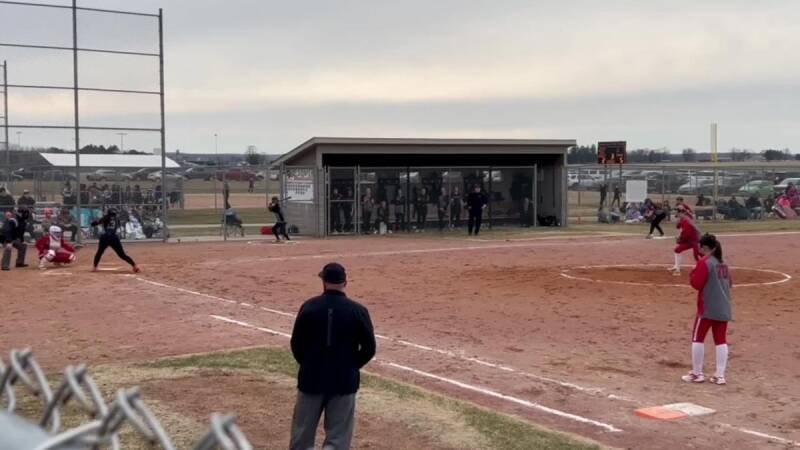
By addressing these challenges, we can encourage children to stay active and engaged in sports, regardless of whether they stick with a particular sport or league. Bloomer's recent softball win over Thorp, for example, showcases the positive impact of teamwork and sportsmanship. We should strive to create more opportunities for such experiences, regardless of long-term participation.
Future Outlook
Moving forward, it's essential to gather more accurate and comprehensive data on youth sports participation. This includes tracking a wider range of physical activities, considering factors like socioeconomic status and geographical location, and focusing on the reasons why children choose to participate (or not). Improved research will provide a more accurate picture of the youth sports landscape and enable better-informed decision-making.
This could impact how sporting activities are advertised to parents and children and how funding is allocated within school systems and external organizations. Furthermore, it's vital to foster a culture that values lifelong physical activity over early specialization. Encouraging children to explore different sports and activities can help them develop a love of movement that lasts a lifetime. We expect an increase in diverse physical activities that aren't necessarily a 'sport' in the traditional sense, things like ninja warrior training, dancing, hiking groups and parkour.