China Focuses on Service Industry Growth: What It Means for the Global Economy
China's President Xi Jinping calls for demand-driven growth in the service industry. Explore the implications for global trade, investment, and competition.
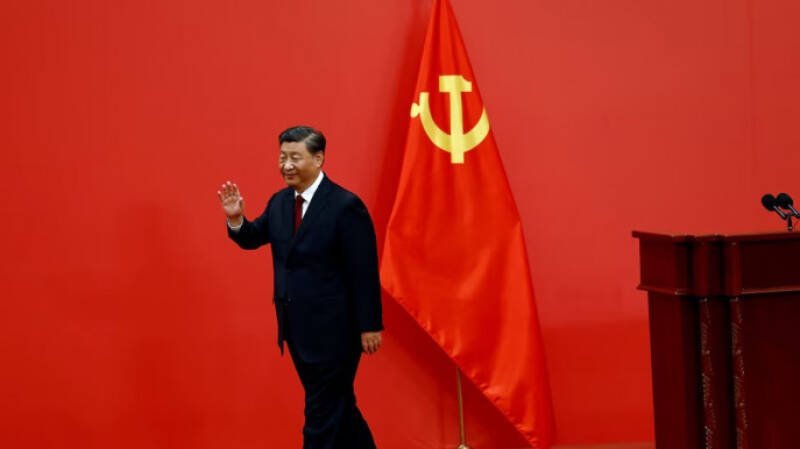



China's President Xi Jinping calls for demand-driven growth in the service industry. Explore the implications for global trade, investment, and competition.
China's President Xi Jinping has recently emphasized the importance of demand-driven growth within the nation's service industry. This signals a significant shift in focus, aiming to cultivate stronger "China service" brands and elevate the production-oriented services sector. But what does this actually mean, and why should the world pay attention?
Traditionally, many industries in China have focused on production and supply. A demand-driven approach, however, prioritizes understanding and meeting the specific needs and preferences of consumers. This involves market research, customer feedback, and tailoring services to better match what people actually want.
Think of it like this: instead of simply manufacturing and pushing products onto the market, companies are now being encouraged to ask, "What does the customer really need?" and then develop services that fulfill those needs.
The emphasis on "China service" brands suggests a desire to create globally recognized and respected service providers. This involves not only delivering high-quality services but also building a strong brand reputation, focusing on customer experience, and innovating to stay ahead of the competition. Imagine a future where Chinese service companies are as well-known and trusted as established brands from the US or Europe.
Another crucial aspect of this strategy is to specialize production-oriented services and move them higher up the value chain. This means moving beyond basic manufacturing support (like simple logistics or maintenance) to offering more sophisticated services such as research and development, design, and advanced technical support. This is about increasing the value and profitability of the services sector, and becoming a key player in innovation.
China's focus on its service industry is not just a domestic issue; it has far-reaching implications for the global economy:
In our opinion, this initiative represents a strategic move by China to diversify its economy and reduce its reliance on manufacturing. By strengthening its service sector, China aims to create a more balanced and sustainable growth model. This could impact how multinational companies operate in China. They may need to reassess their strategies to adapt to a more competitive and sophisticated market. The emphasis on "China service" brands suggests a focus on quality and customer satisfaction, which could drive improvements across the entire Chinese economy. Furthermore, the focus on moving production-oriented services higher up the value chain implies that China is looking to develop expertise within sectors like R&D and technical services.
The success of this initiative will depend on several factors, including:
Over the next few years, we expect to see increased investment in China's service industry, the emergence of new "China service" brands, and a gradual shift towards a more demand-driven approach. This will be a key area to watch for businesses and investors alike, as it could reshape the global economic landscape. This could impact the international market in ways that are yet to be foreseen.