Bombay High Court Relaxes NPA Settlement Rules: What It Means for Borrowers
The Bombay High Court has eased rules on NPA settlements, removing penal restrictions after payment unless fraud is involved. Learn what this means for borrowers and the financial industry.
Bombay High Court Eases NPA Settlement Rules: A Win for Honest Borrowers
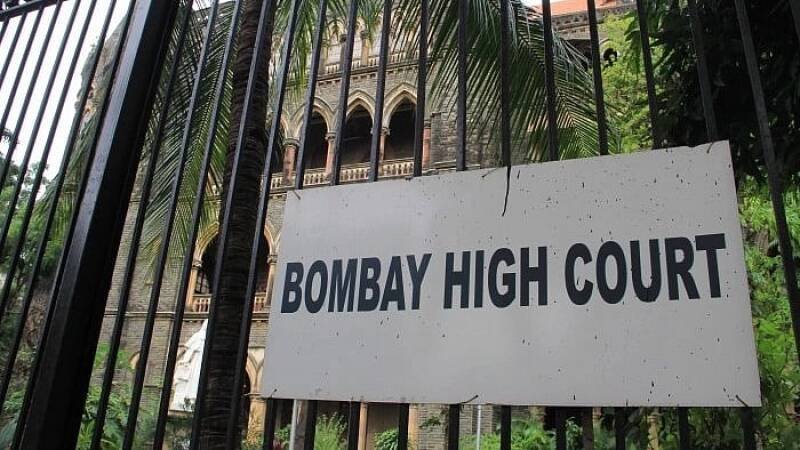
The Bombay High Court has delivered a significant verdict that could reshape how banks and borrowers handle Non-Performing Assets (NPAs), commonly known as bad loans. In a recent ruling, the court stated that banks cannot continue to impose penal restrictions on borrowers who have settled their NPAs, unless there is evidence of fraud or misconduct.
What Exactly Happened?
The core of the issue was the Reserve Bank of India's (RBI) previous guidelines, which effectively placed a five-year embargo on borrowers after they cleared their NPA dues. This meant that even after a borrower settled their debt, they faced restrictions on accessing further credit for five years. The Bombay High Court found this practice unduly harsh, particularly in cases where the default was due to genuine financial difficulties and not malicious intent.
The court essentially said that defaulting on a loan, without any underlying misconduct, shouldn't result in such prolonged penalties. This landmark judgment provides much-needed relief to borrowers who have honestly repaid their debts after facing financial setbacks.
Why This News Matters
This ruling has far-reaching implications for both borrowers and the banking sector:
- Relief for Borrowers: Borrowers who have diligently settled their NPA dues will no longer face a prolonged ban on accessing credit. This allows them to rebuild their businesses and financial lives more quickly.
- Encourages Settlements: The ruling incentivizes borrowers to proactively negotiate and settle their NPAs with banks, knowing they won't face indefinite restrictions afterwards.
- Fairer Lending Practices: It promotes a more equitable lending environment where borrowers are treated fairly, and penalties are proportionate to the nature of the default.
- Economic Boost: By allowing settled borrowers to access credit again, the ruling can contribute to economic growth and activity.
Our Analysis
In our opinion, the Bombay High Court's decision is a welcome step towards a more balanced and just lending ecosystem. The previous five-year embargo felt excessively punitive, particularly when there was no evidence of fraudulent activity. The ruling rightly distinguishes between genuine financial hardship and deliberate misconduct, ensuring that borrowers are not unfairly penalized for circumstances beyond their control.
This could impact the banking sector by encouraging them to be more proactive in working with struggling borrowers to find amicable settlement solutions. It also underscores the importance of banks conducting thorough due diligence to identify and address potential fraud early on. A less heavy-handed approach to post-NPA settlements will likely lead to more borrowers willing to settle their debts, improving the overall health of bank balance sheets.
Future Outlook
The Bombay High Court's ruling is likely to set a precedent for other courts across the country. We anticipate that the RBI may need to revise its guidelines on NPA settlements to align with the court's decision. This could lead to a more standardized and consistent approach to handling NPAs nationwide.
Going forward, it will be crucial for banks to develop robust internal policies and procedures for identifying and addressing fraud in loan defaults. This will help them to justify the imposition of penal restrictions in cases where misconduct is suspected.
Overall, this ruling signals a shift towards a more humane and pragmatic approach to dealing with NPAs, one that balances the interests of both lenders and borrowers. The long-term effects should be a more resilient and equitable financial system, with the potential to unlock significant economic growth. This is ultimately a win-win for everyone.