ASEAN Urges Safe Passage in Strait of Hormuz: Why It Matters
ASEAN calls for unimpeded transit in the Strait of Hormuz amidst Middle East tensions. Learn why this is crucial for global trade and what it means for the future.
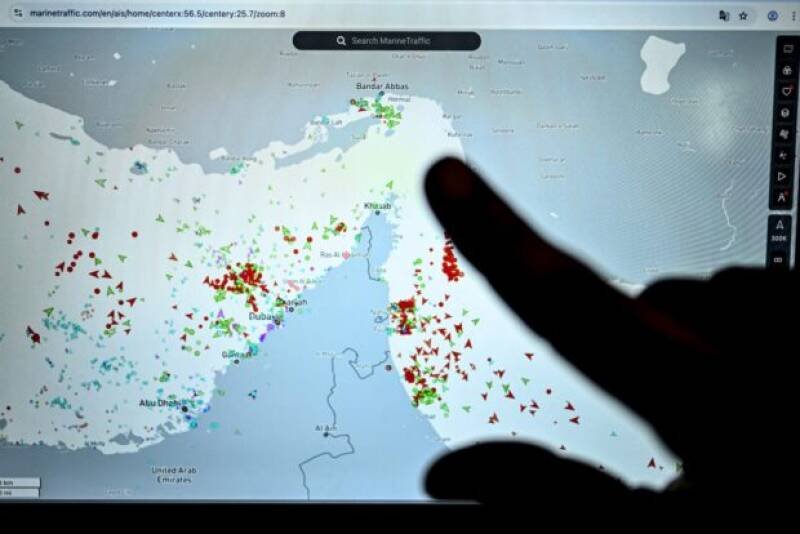



ASEAN calls for unimpeded transit in the Strait of Hormuz amidst Middle East tensions. Learn why this is crucial for global trade and what it means for the future.
The Association of Southeast Asian Nations (ASEAN) has issued a strong statement calling for the “safe, unimpeded, and continuous” passage of ships and aircraft through the Strait of Hormuz. This critical waterway is a vital artery for global trade, particularly for oil, and is frequently the site of geopolitical tensions.
ASEAN's foreign ministers emphasized the importance of maintaining stability in the region, specifically referencing the need for full implementation of the agreed-upon ceasefire between Iran and the United States. This call to action underscores the region's deep concern over escalating conflicts that could disrupt international commerce and security.
The Strait of Hormuz is a narrow waterway located between Oman and Iran. It connects the Persian Gulf with the Gulf of Oman and the Arabian Sea. Its strategic importance lies in the fact that a significant percentage of the world's oil supply passes through it daily. Any disruption to traffic in the Strait can have severe consequences for the global economy.
The ASEAN statement is significant for several reasons:
In our opinion, ASEAN's proactive stance is crucial. By explicitly calling for unimpeded transit, ASEAN is sending a clear message to all parties involved: maintaining open access to the Strait of Hormuz is paramount.
This move also subtly emphasizes the importance of international law and maritime security. While ASEAN member states might have varying relationships with the US and Iran, they are unified in their need for a stable and predictable trading environment. Disruption in the Strait could impact economies across Southeast Asia, especially those reliant on energy imports.
Furthermore, ASEAN's call for the full implementation of the ceasefire is a crucial reminder that de-escalation is the only viable path forward. The potential for miscalculation and escalation in the region is high, and a prolonged conflict would have devastating consequences.
Looking ahead, several factors will determine the future of the Strait of Hormuz:
This could impact the cost of oil and goods in the short and long term. Depending on the future stability of the region it could make for more or less expensive shipping costs and ultimately impact prices.
In conclusion, ASEAN's call for unimpeded transit in the Strait of Hormuz is a significant development. It underscores the region's commitment to maintaining stability and promoting international trade. The future of the Strait remains uncertain, but ASEAN's proactive stance is a positive step towards a more peaceful and prosperous future.
























