Artemis II: NASA's Moon Mission Takes Flight - What It Means for the Future
NASA's Artemis II mission is underway! Learn about the astronauts, the mission goals, why it matters, and what the future holds for lunar exploration.
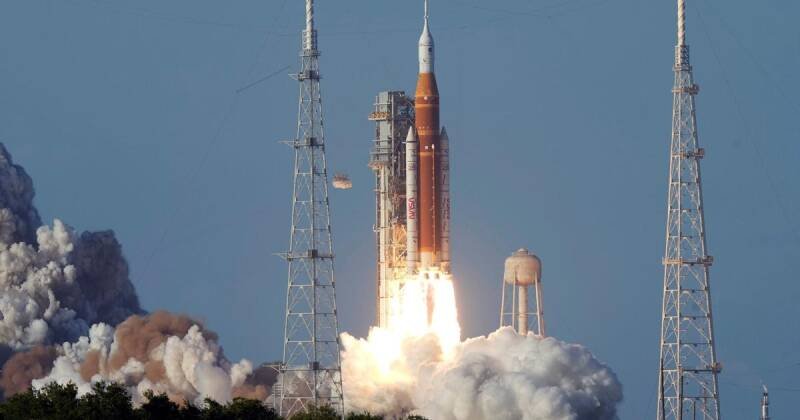



NASA's Artemis II mission is underway! Learn about the astronauts, the mission goals, why it matters, and what the future holds for lunar exploration.
NASA's Artemis II mission is officially underway, marking a significant milestone in humanity's return to the moon. This mission, featuring a crew of four astronauts, is the first crewed voyage around the Moon in over 50 years, since the Apollo program. It sets the stage for future lunar landings and the eventual establishment of a permanent lunar presence.
The Artemis II crew is comprised of:
This diverse crew represents a new era of space exploration, reflecting a commitment to inclusivity and international collaboration.
Unlike the Apollo missions, Artemis II is not a landing mission. Instead, the crew will orbit the Moon, testing critical systems and technologies needed for future lunar landings. Key objectives include:
Artemis II is more than just a trip around the Moon; it's a critical stepping stone towards establishing a sustainable lunar presence. This mission is paving the way for:
In our opinion, the Artemis program represents a bold and ambitious vision for the future of space exploration. NASA's commitment to international collaboration is particularly noteworthy, as it allows for the pooling of resources and expertise. The program also offers opportunities for commercial space companies, fostering innovation and competition in the space sector.
This mission’s importance cannot be overstated. Successfully completing Artemis II is vital for maintaining the current timeline for subsequent Artemis missions. A failure could significantly delay the overall goal of establishing a permanent lunar base.
Following the successful completion of Artemis II, NASA plans to launch Artemis III, which will involve landing astronauts on the Moon's south pole. This region is believed to contain significant deposits of water ice, which could be used as a resource for future missions. The long-term goal is to establish a permanent lunar base, known as Gateway, which will serve as a staging point for future missions to the Moon and beyond.
This could impact the entire space industry. The development of new technologies and infrastructure for lunar exploration will create new opportunities for businesses and researchers alike. The possibility of utilizing lunar resources could also revolutionize space travel, making it more sustainable and affordable.
The Artemis program is a long-term investment in the future of space exploration. Its success will depend on continued funding, technological innovation, and international collaboration. In the coming years, we can expect to see significant progress in lunar exploration, leading to a new era of scientific discovery and economic opportunity in space.