Artemis II: NASA's Lunar Voyage Explained - Why It Matters
Artemis II mission takes flight! Get the breakdown on NASA's lunar voyage, what it means for space exploration, and its potential impact.
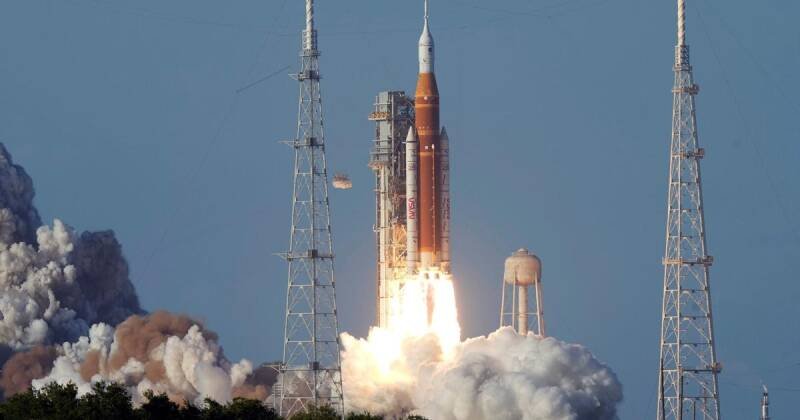



Artemis II mission takes flight! Get the breakdown on NASA's lunar voyage, what it means for space exploration, and its potential impact.
NASA's Artemis II mission has officially begun, marking a monumental leap in humanity's return to the Moon. This mission is not just a quick visit; it's the crucial first step towards establishing a long-term lunar presence and ultimately, paving the way for future missions to Mars. The Artemis II mission successfully launched, sending a crew of astronauts on a voyage around the moon.
Artemis II is a crewed mission designed to orbit the Moon and return safely to Earth. It builds upon the uncrewed Artemis I mission, which successfully tested the Orion spacecraft and the Space Launch System (SLS) rocket. This mission will thoroughly test the Orion spacecraft's life support systems and demonstrate the capabilities needed for future lunar landings.
The Artemis II crew is composed of four astronauts: Reid Wiseman, Victor Glover, Christina Koch, and Jeremy Hansen. This diverse team represents the United States and Canada, highlighting the international collaboration at the heart of the Artemis program. They will spend several days in orbit, meticulously collecting data and validating the spacecraft's performance in the harsh environment of space.
The mission utilizes the powerful SLS rocket, the most powerful rocket NASA has ever built. This rocket propels the Orion spacecraft, the vehicle designed to carry astronauts beyond low Earth orbit, towards the Moon. The Orion spacecraft is equipped with advanced technology to protect the crew from radiation and provide a safe and comfortable environment during their journey.
The Artemis II mission is significant for several reasons:
In our opinion, the success of Artemis II is a game-changer for the future of space exploration. It demonstrates NASA's commitment to pushing the boundaries of human achievement and re-establishing a human presence beyond Earth. The mission's focus on testing and validating critical systems is essential for ensuring the safety and success of future lunar landing missions, including Artemis III which aims to land humans on the Moon's south pole. The data collected will be invaluable for designing and building a sustainable lunar base.
This mission also underscores the importance of international partnerships in achieving ambitious goals in space. The collaboration between the US and Canada, as exemplified by the inclusion of a Canadian astronaut in the crew, highlights the shared vision of exploring the cosmos for the benefit of all humankind. This could impact international relations in a positive way and create further cooperation on future endeavors.
The Artemis II mission is a stepping stone towards the ambitious goal of establishing a permanent lunar base and eventually sending humans to Mars. The next mission, Artemis III, is planned to land astronauts on the Moon's south pole, a region believed to hold significant deposits of water ice. This ice could be a valuable resource for producing fuel, water, and oxygen, making a lunar base more sustainable. Future Artemis missions will focus on building infrastructure on the Moon, including habitats, power systems, and research facilities.
The long-term vision of the Artemis program is to create a robust lunar economy, with the potential for commercial activities such as lunar mining and tourism. This will not only benefit the space industry but also create new opportunities for economic growth on Earth. In our opinion, the Artemis program represents a bold and ambitious vision for the future of space exploration, one that will inspire generations to come and unlock the secrets of the universe.