Artemis II: NASA Astronauts Halfway to Moon - What You Need to Know
NASA's Artemis II mission is halfway to the Moon! Learn about the key milestones, scientific objectives, and why this mission matters for future lunar exploration.
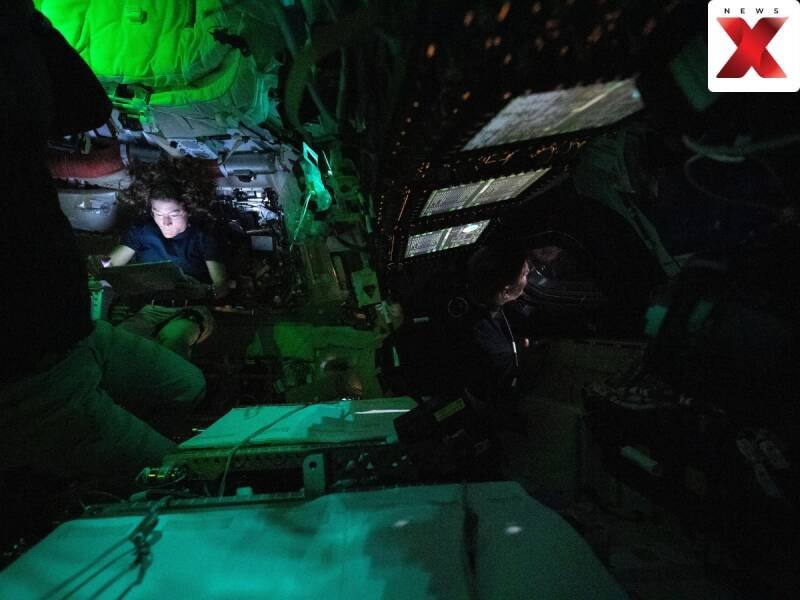



NASA's Artemis II mission is halfway to the Moon! Learn about the key milestones, scientific objectives, and why this mission matters for future lunar exploration.
NASA's Artemis II mission has achieved a significant milestone: the crew is more than halfway to the Moon! This marks a pivotal moment in humanity's return to lunar exploration after a long hiatus. The astronauts aboard the Orion spacecraft are actively engaged in crucial scientific activities and health monitoring, paving the way for future lunar missions and eventually, Mars exploration.
Artemis II is the second mission in NASA's Artemis program. Unlike Artemis I, which was an uncrewed test flight, Artemis II carries a crew of four astronauts around the Moon and back. This mission is designed to test the Orion spacecraft's systems in deep space with a human crew onboard, ensuring its safety and reliability for future lunar landings.
The mission's objectives include testing life support systems, validating communication capabilities, and assessing the effects of deep space radiation on the crew. The data collected will be invaluable for planning and executing more complex missions, like Artemis III, which aims to land astronauts on the Moon's south pole.
The astronauts are not just passive passengers; they're actively involved in various activities throughout the mission. These include:
This milestone in the Artemis II mission is significant for several reasons:
In our opinion, the Artemis II mission represents a bold and ambitious undertaking. Successfully reaching the halfway point is a testament to the dedication and ingenuity of the NASA team and its international partners. The mission's emphasis on scientific research and astronaut health is particularly noteworthy, as it demonstrates a commitment to understanding and mitigating the risks associated with deep space travel.
We believe that the data gathered during this mission will be instrumental in shaping the future of space exploration. It could impact how we design spacecraft, protect astronauts from radiation, and utilize lunar resources.
Looking ahead, the Artemis program promises even more exciting developments. The upcoming lunar flyby will provide stunning images and valuable data about the Moon's surface. Eventually, Artemis III aims to land astronauts near the lunar south pole, a region thought to contain water ice, a valuable resource for future lunar operations.
The Artemis program is not just about returning to the Moon; it's about establishing a permanent human presence and using the Moon as a stepping stone to Mars. This mission, and those that follow, will undoubtedly shape the future of space exploration for decades to come. We anticipate continued advancements in space technology and a growing international collaboration in lunar and Martian exploration.