Artemis II Breaks Apollo 13 Record: Humanity's New Deep Space Milestone
Artemis II surpasses Apollo 13's distance record, marking a new era in human space exploration. Learn about the mission's significance, analysis, and future outlook.
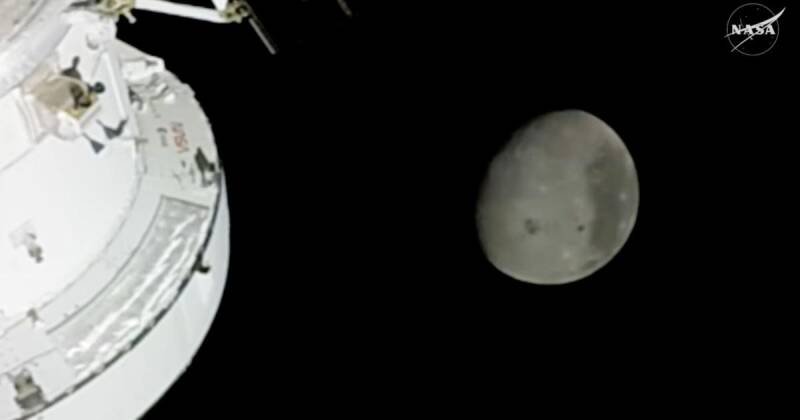



Artemis II surpasses Apollo 13's distance record, marking a new era in human space exploration. Learn about the mission's significance, analysis, and future outlook.
In a historic moment for space exploration, the Artemis II mission has officially surpassed the distance record set by Apollo 13 over five decades ago. On Monday, the crew of three Americans and one Canadian astronaut ventured further from Earth than any human beings before them, marking a significant milestone in our journey back to the Moon and beyond.
Apollo 13, despite its near-fatal oxygen tank explosion, reached a distance of approximately 248,655 miles (400,171 kilometers) from Earth in 1970 as it looped around the Moon. Artemis II, on its uncrewed test flight around the moon, has now exceeded that distance. This accomplishment underscores the advancements in space technology and the unwavering commitment of NASA and its international partners to pushing the boundaries of human exploration.
This achievement is a testament to the meticulous planning, advanced engineering, and rigorous testing that have gone into the Artemis program. Every component of the Orion spacecraft and the Space Launch System (SLS) rocket has been designed and scrutinized to ensure the safety and success of the mission.
The Artemis II mission's record-breaking distance signifies more than just a statistic. It represents:
In our opinion, the Artemis II mission's achievement is a resounding success for NASA and its partners. This accomplishment demonstrates the feasibility of deep-space human missions and paves the way for a sustained presence on the Moon.
The lessons learned from Artemis II will be invaluable in preparing for future Artemis missions, including the crewed landing on the lunar South Pole planned for Artemis III. The data collected on radiation exposure, spacecraft performance, and human physiological responses will inform the design and operation of future spacecraft and habitats.
This could impact the commercial space industry as well. Success from government projects like Artemis often drive down the cost of developing similar technologies for private companies. This in turn can increase innovation and access to space travel.
The Artemis program has a series of ambitious goals in the coming years:
The future of space exploration is bright. The Artemis program represents a bold vision for humanity's future in space, and Artemis II’s record-breaking journey is a crucial step toward realizing that vision. In the near term, delays and budget constraints could pose problems, but the program is currently fully funded and should continue making breakthroughs.
The success of Artemis II sets the stage for a new era of deep-space exploration, inspiring us to reach for the stars and pushing the boundaries of what is possible.