Afghanistan Floods: Death Toll Rises, Impact and Analysis
The Afghanistan flood death toll reaches 99. Learn about the devastation, the humanitarian crisis, expert analysis, and the future outlook for the region.



The Afghanistan flood death toll reaches 99. Learn about the devastation, the humanitarian crisis, expert analysis, and the future outlook for the region.
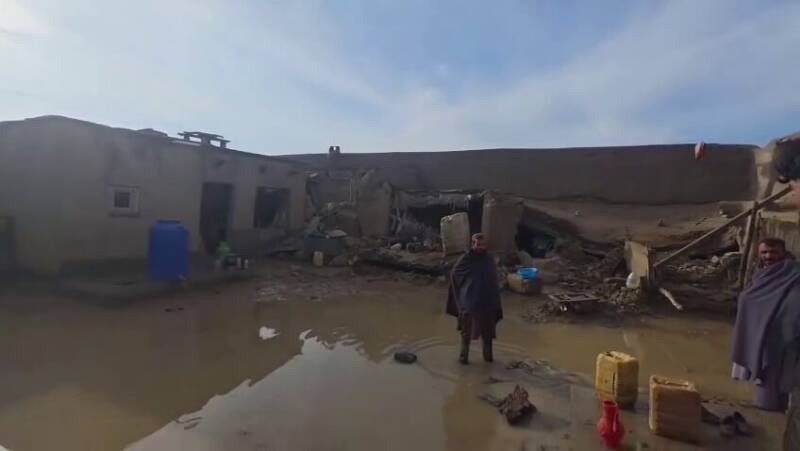
Afghanistan is reeling from severe flooding that has claimed the lives of at least 99 people and injured 154 across more than 20 provinces. The National Disaster Management Authority (NDMA) reports that heavy rainfall, devastating landslides, and rapid flash floods continue to plague the country, exacerbating an already dire humanitarian situation.
The floods have caused widespread damage to homes, infrastructure, and agricultural land. Many people have been displaced, losing their homes and livelihoods in the process. Access to clean water and sanitation is becoming increasingly challenging, raising concerns about the spread of waterborne diseases.
While specific details on the hardest-hit provinces are still emerging, initial reports indicate that northern and eastern regions of Afghanistan have experienced the most severe flooding. The mountainous terrain of these areas makes them particularly vulnerable to landslides and flash floods.
This disaster highlights the extreme vulnerability of Afghanistan to climate change and natural disasters. The country already faces significant challenges, including poverty, conflict, and food insecurity. These floods further strain its limited resources and exacerbate the suffering of its people. The international community needs to step up and provide immediate and long-term assistance.
The floods also underscore the urgent need for better disaster preparedness and mitigation measures in Afghanistan. This includes investing in early warning systems, improving infrastructure, and educating communities about how to respond to natural disasters.
In our opinion, the scale of this disaster is deeply concerning. The NDMA's figures likely represent a preliminary assessment, and the true extent of the damage and loss of life could be significantly higher. The ongoing conflict and political instability in Afghanistan hinder rescue and relief efforts, making it difficult to reach those in need.
This could impact the stability of the region. Displacement and loss of livelihoods can fuel social unrest and further weaken the already fragile Afghan economy. Food security is a major concern, as the floods have destroyed crops and livestock, potentially leading to widespread hunger and malnutrition.
The future outlook for Afghanistan remains uncertain. Continued heavy rainfall is expected in the coming days, raising the risk of further flooding and landslides. The humanitarian crisis is likely to worsen, with more people being displaced and in need of assistance. A coordinated international response is crucial to providing emergency relief, supporting recovery efforts, and building long-term resilience to climate change.
We believe that rebuilding Afghanistan's infrastructure and strengthening its disaster preparedness capabilities are essential for its long-term stability and prosperity. Investing in sustainable development and addressing the underlying causes of vulnerability to climate change are also critical.