Yellowstone's Sagebrush Ecosystem: Why Conservation Beyond Park Borders is Crucial
Explore the importance of sagebrush ecosystems surrounding Yellowstone National Park and why their conservation is vital for the park's long-term health and wildlife.
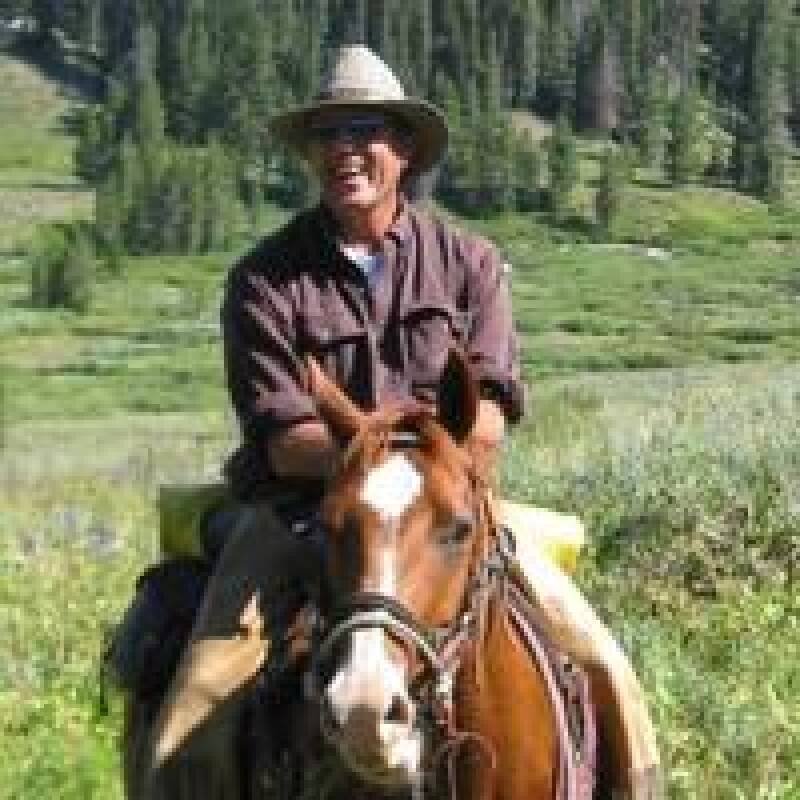



Explore the importance of sagebrush ecosystems surrounding Yellowstone National Park and why their conservation is vital for the park's long-term health and wildlife.
Yellowstone National Park is iconic. We picture geysers erupting, grizzly bears roaming, and elk herds migrating across vast, open landscapes. But focusing solely on the park’s interior misses a crucial part of the story: the surrounding sagebrush ecosystems. These areas are just as vital to Yellowstone's health and wildlife as the park itself.
Sagebrush provides essential habitat for a wide range of animals. Sage grouse, pronghorn, mule deer, and countless other species rely on sagebrush for food, shelter, and breeding grounds. Many of these animals migrate outside the park boundaries during the winter months, making the sagebrush steppe their critical winter range.
Unfortunately, these vital ecosystems are under threat. Overgrazing by livestock, increased wildfires (often exacerbated by invasive grasses), and development are all contributing to the decline of sagebrush habitat. When sagebrush disappears, so too does the wildlife that depends on it.
The health of the Greater Yellowstone Ecosystem (GYE) – which encompasses Yellowstone National Park and the surrounding lands – is intrinsically linked. The GYE is a critical biodiversity hotspot, and the decline of sagebrush habitat has ripple effects throughout the entire region. Protecting sagebrush is not just about protecting one plant; it's about safeguarding the entire ecosystem and the iconic wildlife that call it home.
The common perception of national parks is that they are self-contained havens for wildlife. But, in reality, animals don't adhere to arbitrary political boundaries. Migration corridors often extend far beyond park borders, and these corridors are essential for maintaining healthy populations. Sagebrush ecosystems form a vital part of those corridors.
In our opinion, focusing solely on what happens *within* Yellowstone is shortsighted. We need a holistic approach that recognizes the interconnectedness of the entire Greater Yellowstone Ecosystem.
The way we manage grazing and respond to wildfires in the areas surrounding Yellowstone has a direct impact on the park's wildlife. Uncontrolled grazing can decimate sagebrush, leaving little food or cover for animals. Similarly, the spread of invasive grasses, such as cheatgrass, increases the frequency and intensity of wildfires, further damaging sagebrush habitat. This could impact the long-term viability of some species within Yellowstone.
Protecting sagebrush requires a collaborative effort involving landowners, ranchers, government agencies, and conservation organizations. Sustainable grazing practices, targeted invasive species control, and responsible development are all crucial components of a comprehensive conservation strategy.
Raising public awareness about the importance of sagebrush ecosystems is also essential. Many people simply don't realize the vital role these seemingly "empty" landscapes play in supporting Yellowstone's iconic wildlife. By educating the public, we can build support for conservation efforts and ensure the long-term health of the Greater Yellowstone Ecosystem.
Effective policy is key. Incentivizing landowners to adopt conservation-friendly practices, strengthening regulations to prevent overgrazing and irresponsible development, and increasing funding for sagebrush restoration projects are all critical steps. These actions will influence the future of the GYE ecosystem, impacting the whole ecosystem.
Ultimately, the future of Yellowstone is inextricably linked to the health of the sagebrush ecosystems that surround it. By recognizing the importance of these landscapes and working together to protect them, we can ensure that Yellowstone's iconic wildlife continues to thrive for generations to come.
























