WVU IBD Symposium: Advancements in Crohn's and Colitis Treatment
The WVU Mountain State IBD Symposium brought together healthcare professionals to discuss the latest advancements in Crohn's disease and ulcerative colitis treatment. Learn about the impact and future outlook.
WVU Hosts Key IBD Symposium: Shaping the Future of Digestive Health
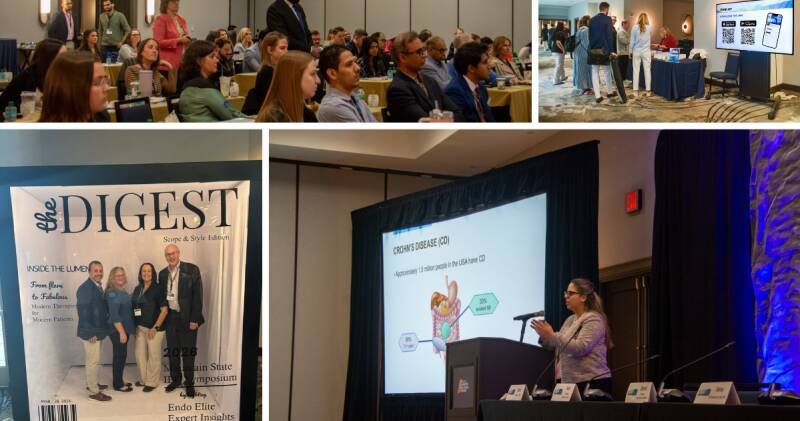
Last week, Morgantown, West Virginia, became a hub for innovation in digestive health as the West Virginia University (WVU) Department of Medicine hosted the 2026 Mountain State Inflammatory Bowel Disease (IBD) Symposium. Healthcare professionals from across the Eastern United States converged to share knowledge, discuss advancements, and collaborate on improving patient care for those living with chronic digestive conditions.
What is IBD?
Inflammatory Bowel Disease (IBD) is an umbrella term primarily used to describe two conditions: Crohn's disease and ulcerative colitis. These are chronic diseases that cause inflammation in the digestive tract, leading to symptoms like abdominal pain, diarrhea, weight loss, and fatigue. The exact cause of IBD is unknown, but it's believed to involve a combination of genetic predisposition, immune system dysfunction, and environmental factors.
Why This News Matters
This symposium is significant because it brings together experts to tackle a growing health concern. IBD affects millions of people worldwide, and its impact on quality of life can be substantial. Events like this are vital for:
- Sharing the latest research: New discoveries in understanding the disease and developing more effective treatments.
- Improving patient care: Strategies for better diagnosis, management, and overall care coordination.
- Networking and collaboration: Connecting healthcare professionals to foster teamwork and innovation.
- Raising awareness: Bringing attention to IBD and its challenges, both within the medical community and the public.
Our Analysis
In our opinion, the WVU Mountain State IBD Symposium represents a significant step forward in the fight against inflammatory bowel diseases. By providing a platform for experts to exchange ideas and insights, the symposium has the potential to accelerate the development of new and improved treatments for Crohn's disease and ulcerative colitis.
The focus on care coordination is particularly important. IBD management often involves a multidisciplinary team of gastroenterologists, surgeons, nurses, and dietitians. Effective communication and collaboration among these professionals are crucial for ensuring that patients receive the best possible care. The symposium likely addressed ways to streamline this process and improve patient outcomes.
This could impact patients directly. Better treatments and coordinated care could lead to reduced symptoms, improved quality of life, and even a decrease in the long-term complications associated with IBD.
Future Outlook
The momentum generated by the 2026 Mountain State IBD Symposium is likely to have a lasting impact on the field. We anticipate several potential developments in the coming years:
- Increased research funding: The heightened awareness and collaboration fostered by the symposium could lead to increased investment in IBD research.
- Development of new therapies: Discussions on emerging treatments and technologies could pave the way for innovative therapies that are more effective and have fewer side effects.
- Improved diagnostic tools: Early and accurate diagnosis is crucial for effective IBD management. The symposium may have spurred advancements in diagnostic techniques.
- Enhanced patient support networks: Increased awareness of IBD could lead to the development of stronger support networks for patients and their families.
The WVU Department of Medicine's commitment to hosting events like this highlights its dedication to advancing medical knowledge and improving patient outcomes. We believe that this symposium will serve as a catalyst for further progress in the fight against IBD, ultimately benefiting countless individuals living with these challenging conditions.