White House Easter Egg Roll: UMD Alum Preserves History
Learn how a University of Maryland alum is working to preserve the history of the White House Easter Egg Roll, and why this seemingly simple event matters to American culture.
White House Easter Egg Roll: A UMD Alum Keeps History Alive
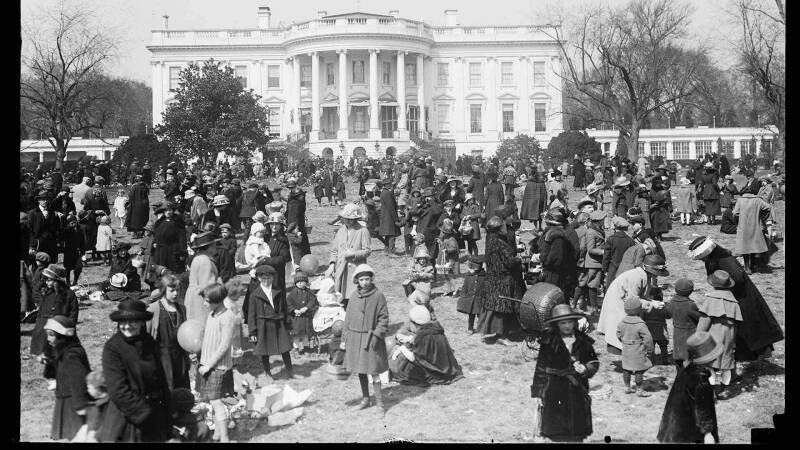
Every Easter Monday, the White House lawn transforms into a vibrant playground, hosting the annual Easter Egg Roll. Children and their families gather for games, stories, and the iconic egg roll race. But behind the scenes, a University of Maryland (UMD) alum is working diligently to preserve the history and significance of this beloved American tradition. Jonathan Pliska, who earned his M.H.P. (Master of Historic Preservation) in 2007, plays a vital role in updating and maintaining the historical narrative surrounding this event.
A Tradition Rooted in History
The White House Easter Egg Roll dates back to 1878, when President Rutherford B. Hayes officially opened the White House lawn to children after Congress banned the public from using the Capitol grounds for egg rolling. Since then, it has evolved into a grand celebration attracting thousands of visitors each year.
Pliska's work involves researching and documenting the various aspects of the event, from its origins to its evolution over time. He ensures that the historical information presented to the public is accurate and engaging. This includes everything from the types of games played in the past to the notable figures who have participated.
Updating the Narrative
His contributions go beyond simply archiving information. Pliska actively updates the historical narrative, incorporating new discoveries and perspectives. This ensures that the story of the Easter Egg Roll remains relevant and engaging for contemporary audiences. He also works to highlight the diverse range of participants and the evolving social context of the event.
Why This News Matters
The White House Easter Egg Roll isn't just a fun day out; it's a tangible link to American history and culture. It represents a sense of community, continuity, and presidential accessibility. Preserving its history ensures that future generations understand the event's significance and its place in the national narrative. Moreover, understanding the history of such an event allows us to understand the evolution of American cultural values and how the White House interacts with the public.
Our Analysis
In our opinion, Pliska's work is crucial because it highlights the importance of historical preservation in maintaining cultural identity. Often, seemingly simple events like the Easter Egg Roll are overlooked when considering historical significance. However, they offer a unique window into the past and provide a tangible connection to previous generations. By diligently updating the historical narrative, Pliska ensures that the Easter Egg Roll remains a meaningful experience for all who participate and learn about it. We believe that UMD should be proud of its alumnus for undertaking such important work.
The Importance of Context
It's important to remember that the Easter Egg Roll has, at times, reflected the social and political climate of the United States. Examining its history reveals how different administrations have approached the event and how it has been used to connect with the American people. It is a powerful tool for soft diplomacy and domestic public relations.
Future Outlook
Looking ahead, the role of historical preservation in events like the White House Easter Egg Roll will only become more critical. As technology evolves and information becomes increasingly accessible, ensuring accuracy and context becomes paramount.
Maintaining Authenticity
The challenge will be to maintain the authenticity and integrity of the historical narrative while adapting to the changing needs and expectations of the public. This could impact how the event is presented and how its history is shared with the world.
Potential Challenges
One potential challenge is the overwhelming amount of information available, making it difficult to discern credible sources from misinformation. Another challenge is engaging younger generations who may have different perspectives and expectations regarding historical events. However, with dedicated professionals like Jonathan Pliska, the future of preserving the White House Easter Egg Roll's history looks bright.